Exercise 1 of the Playing With Purpose series
The Exercise
Think back to a moment when someone handed you a verdict about yourself. Not an observation. A verdict. The kind of thing that got said once, maybe in passing, and somehow became the story you told yourself for the next ten or twenty or forty years. A teacher. A parent. A coach. A boss. Somebody who had authority in your world at that moment, and they spoke, and you believed them.
Write it down. Not the whole story yet, just the sentence. The exact words, or as close as you can get them.
Then answer these:
The reflection questions:
- How old were you when that verdict was delivered?
- What did you stop doing, or stop believing about yourself, because of it?
- Did you ever check whether it was actually true, or did you just accept it?
- Who gave that person the authority to define you?
- What might your life look like if you had simply disagreed?
What I Learned When I Did This
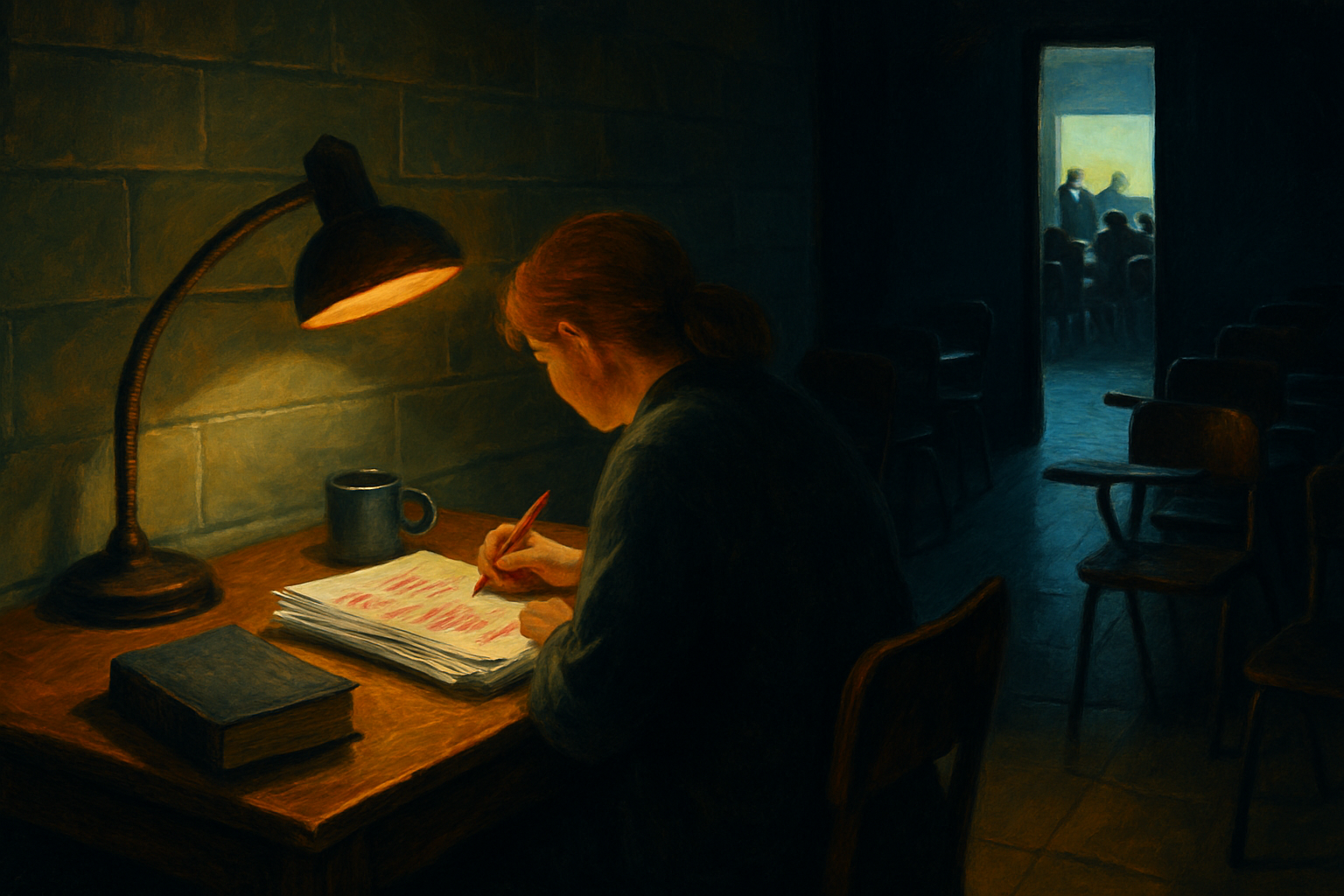
I was in the fourth grade. My teacher looked at whatever I’d made that day, some project, some attempt at art, and she told me I had no artistic talent whatsoever. I don’t even remember the exact words at this point, just the feeling of them landing and the sense that this was official information, delivered by someone who knew these things. She was the teacher. She was the authority. And so I believed her.
And I carried that verdict for about sixty years.
I want to be careful here because this isn’t really a story about one teacher in one classroom. It’s a story about how efficiently we accept other people’s definitions of us, especially when we’re young and someone with a title is doing the defining. I didn’t argue. I didn’t go home and think about it critically. I just absorbed it, and somewhere along the way it became part of the operating system. Not a conscious belief I could examine. Just a fact. Greg is not creative. Greg is technical. Greg solves problems. Greg is not an artist.
You know what’s funny about that belief, and I mean funny in the most painful possible way? I spent the next several decades doing exactly what creativity requires. I was curious about everything. I couldn’t stop asking why and what if. I built businesses from nothing, rebuilt them after they collapsed, reinvented myself professionally multiple times, found my way to teaching design and then to studying creativity seriously enough to write six hundred and fifty exercises about it. None of that reads like someone who doesn’t have it. But I had the teacher’s verdict running quietly in the background the whole time, making sure I never fully claimed what I was doing.
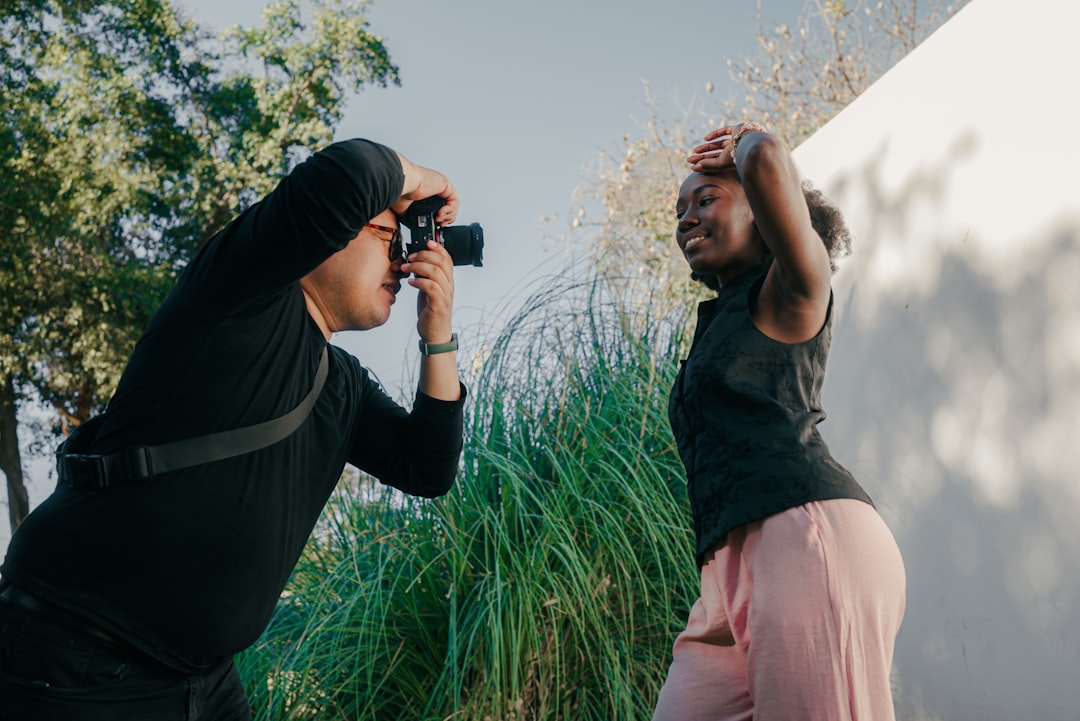
The crack in it came through photography, of all things. I picked up a camera at the Lakeland Shooters Photography Club, started studying composition, started entering competitions, started winning some. And there’s a thing that happens when your eye finds the frame before your brain does, when you see the shot before you can explain why it’s a shot, and you realize that’s not technical skill. That’s something else. That’s the thing she said I didn’t have.
But even then I hedged. Photography felt different, safer, like it didn’t count as the thing she was talking about.
The real reckoning came the Christmas before COVID. I can’t tell you exactly what the trigger was, but I found myself sitting with the question seriously for the first time: what if she was wrong? Not what if she was mean, not what if she was harsh, but what if she was simply, factually, observationally wrong? I started doing creativity exercises. Not to prove a point, just to see what was there. And what was there was a torrent. Six hundred and fifty exercises later, I have more evidence than I need. The verdict was wrong. It was always wrong. I just never checked.
Here’s what this exercise did for me, and what I think it can do for you. The verdict stays sticky because we never put it on trial. We were too young to cross-examine it when it arrived, and by the time we were old enough, it had already become part of how we understood ourselves. This exercise is the cross-examination we never held. And when you actually run it, when you write down the verdict and then sit with those questions honestly, you find out pretty quickly that most of these verdicts were delivered by people who were doing their best, or not doing their best, within the limits of what they could see that day. Which was not very much. Which was definitely not you.
You’re allowed to disagree with an old sentence. Even one that’s been living rent-free in your head for sixty years.
Playing With Purpose is a series of creativity exercises for people who want to understand and reclaim their creative capacity. You don’t need to be an artist. You need to be curious.
Further Reading
- AI Design Tools Are Marginally Better (NN/g) — AI design tool homogenization concerns
- Why writing with ChatGPT makes you sound American (Fast Company) — AI cultural bias and homogenization