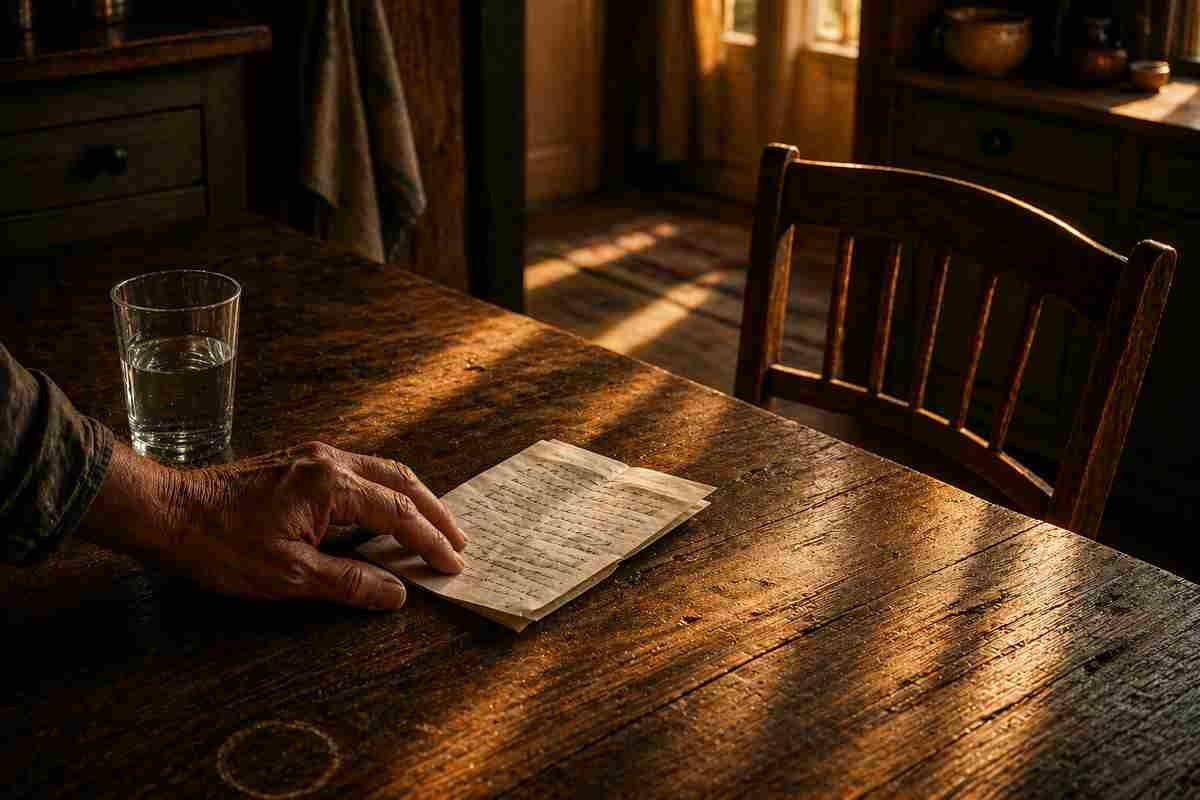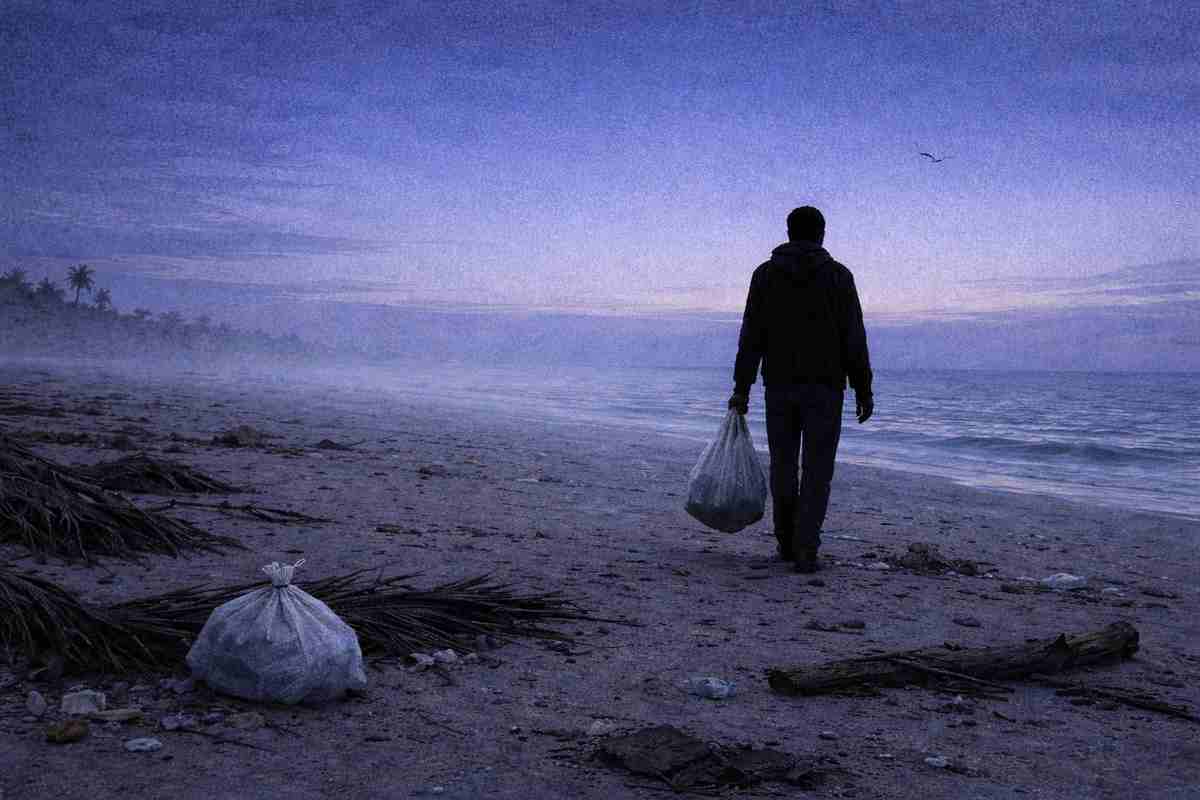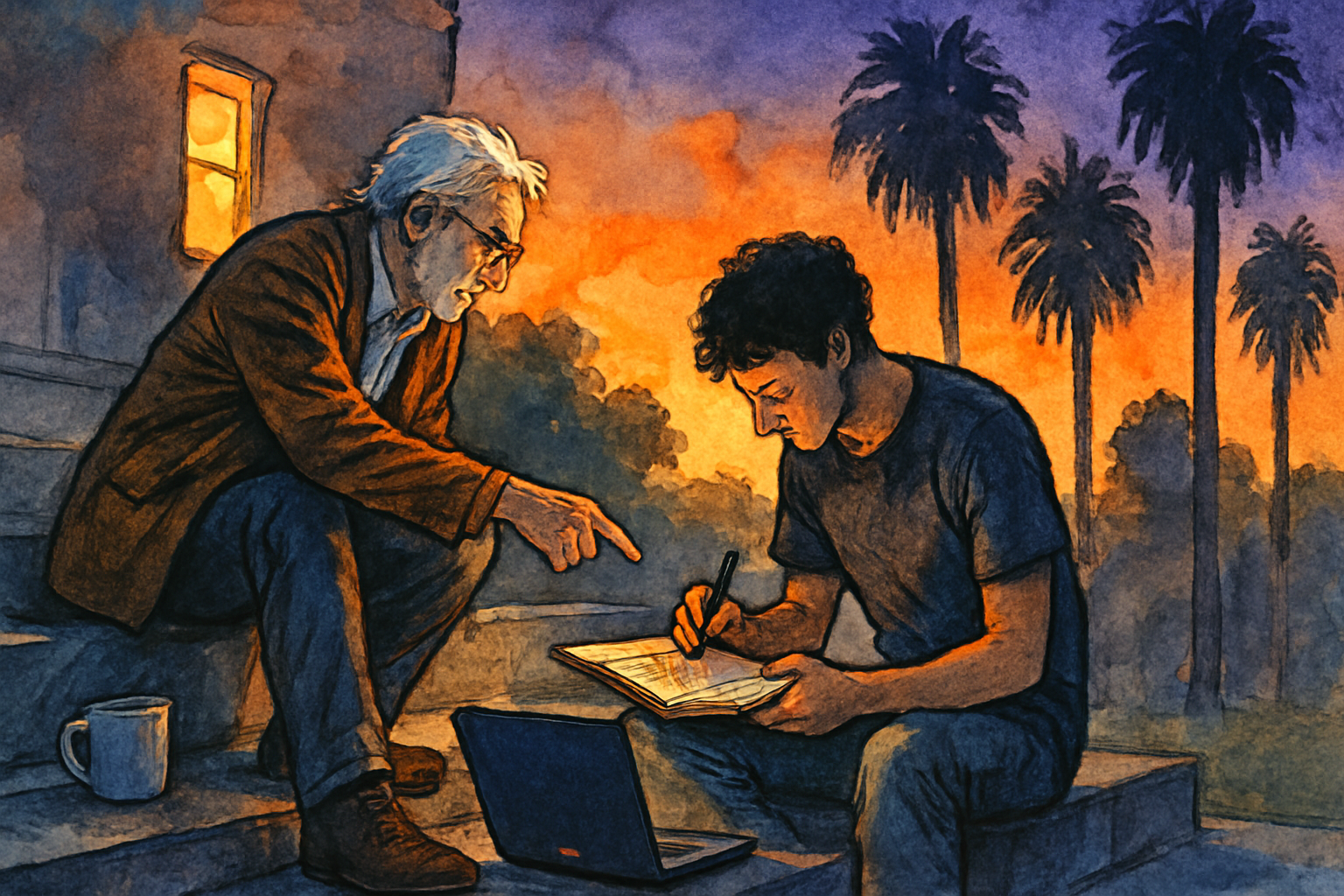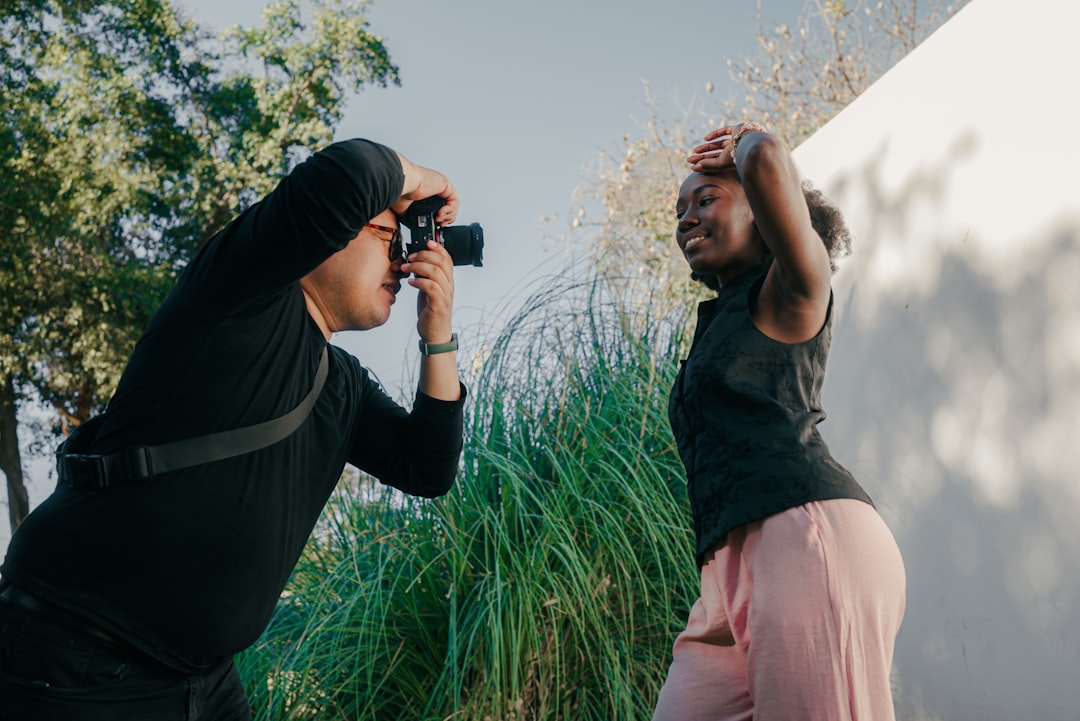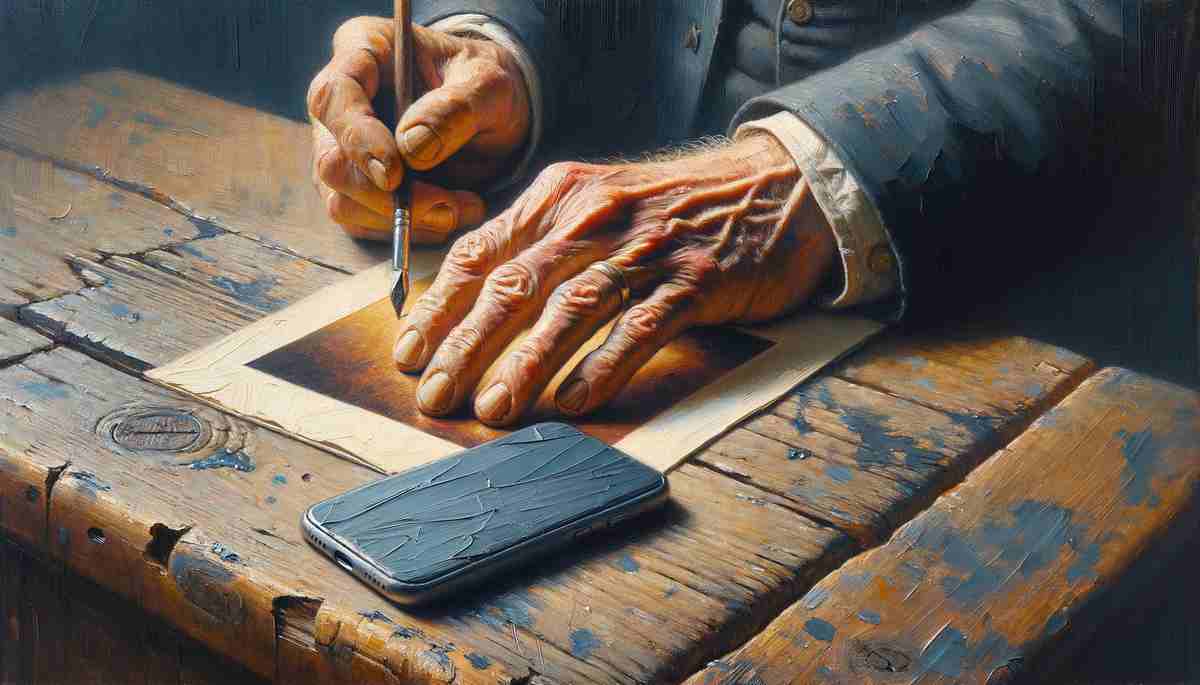
There’s a thing that happens when you teach long enough. You stop seeing students as students and start seeing them as people you helped build. Not in an arrogant way, not like you take credit for who they became, but in the way a parent watches a kid walk across a stage and thinks, I remember when you couldn’t do that. I remember the night you almost quit. I remember what your face looked like when it finally clicked. You carry that. It lives in you. And when you’ve been teaching for over 25 years like I have, you’re carrying hundreds of those moments, maybe thousands, and every single one of them matters to you in a way that’s hard to explain to someone who hasn’t done it.
So what do you do when one of those people, someone you watched grow from a nervous first-semester student into a working designer, someone whose recommendation you wrote, someone you believed in before they believed in themselves, what do you do when that person starts posting things that make you flinch?
I’m not talking about mild disagreements. I’m talking about the kind of thing where you’re scrolling through Facebook and you see a name you love attached to words that make your stomach drop. And your first instinct is to argue, or to be disappointed, or to feel like somehow you failed because the person you mentored holds a view you find genuinely painful. And if you sit with that feeling long enough, it starts to do something corrosive. It starts to rewrite the memory. It starts to make you forget the 2 AM portfolio review and replace it with this thing they posted on a Tuesday afternoon.
I decided I wasn’t going to let that happen.
Here’s what I did instead, and I’m not saying it’s the right answer for everybody, but it was the right answer for me. I stopped looking. Not at the person. At the posts. I made a deliberate choice to protect how I feel about my students by not letting what they say publicly become the loudest thing I know about them. Because it isn’t. The loudest thing I know about them is who they were in my classroom, who they were when it was hard, who they were when nobody was performing for an algorithm.
You know, social media does this thing where it takes the most extreme version of a person and serves it to you on a loop. The algorithms reward outrage. They reward certainty. They reward the kind of loud, absolute statement that gets reactions, and reactions feed the machine, and the machine feeds you more of the same. And before you know it, you think you know what somebody believes, but what you actually know is what the algorithm decided to show you. That’s not the same thing. Not even close.
I had close to 4,000 friends on Facebook before a hacker took my account. Former students going back decades. And I’ll be honest with you, there were times when I used that platform to do the same thing I’m describing. I threw temper tantrums. I played the echo chamber. I let the worst of me get echoed back with “you’re not alone, we all feel that way,” and it felt like solidarity but it was really just fuel. I know what that cycle does because I was in it. So when I say I understand why people post the things they post, I’m not being generous. I’m being honest about my own participation.
But here’s the part that costs something. When you love your students, and I mean love them, not in a vague “I care about education” way but in the specific, I-remember-your-name, I-know-what-you-overcame, I-wrote-your-recommendation-at-midnight way, you have to make a choice about what you’re going to let into that relationship. And I chose to not let social media in. I chose to value them too much to let what they may be posting or saying publicly poison how I feel about them personally. They’re entitled to their own opinions, even if they’re different from mine. I recognized that then, and I recognize it now.
That doesn’t mean it doesn’t hurt. It does. There’s a particular kind of grief in discovering that someone you invested in holds a view that feels like a rejection of everything you tried to teach. Not the design stuff. The human stuff. The “how to think, how to be creative, how to listen to your heart” stuff that was always the real curriculum underneath the software tutorials and the color theory lectures. When you see someone you love choose cruelty, or choose fear, or choose a version of the world that’s smaller than the one you tried to show them, it hurts in a way that’s hard to name.
But I’ll tell you what hurts more. Losing them entirely. Letting a post on a platform that was literally designed to make you angry become the reason you can’t remember why you loved teaching them. That’s a worse loss than disagreement. That’s letting an algorithm win.
So I stepped back. I post occasionally. I’ve got a couple hundred friends now instead of thousands. And I miss people, I genuinely miss them, but I miss them as the people they are, not as the profiles they perform. And when I think about my students, which is more often than you’d probably guess for a 64-year-old professor, I think about the real ones. The ones who sat in my classroom. The ones who trusted me. The ones who grew.
Every teacher carries their students forever. Every parent knows this feeling too, by the way, the feeling of watching someone you raised become a person with views you don’t share. And the question isn’t whether you agree with them. The question is whether the love is bigger than the disagreement. For me, it is. It always has been. It always will be.
I’d rather miss you from a distance than resent you up close. And I’d rather you knew that I’m still here, still caring, still willing to write that recommendation, still proud of who you became in my classroom, even if we’d argue about half the things on your timeline.
That’s not weakness. That’s what 25 years of teaching teaches you.