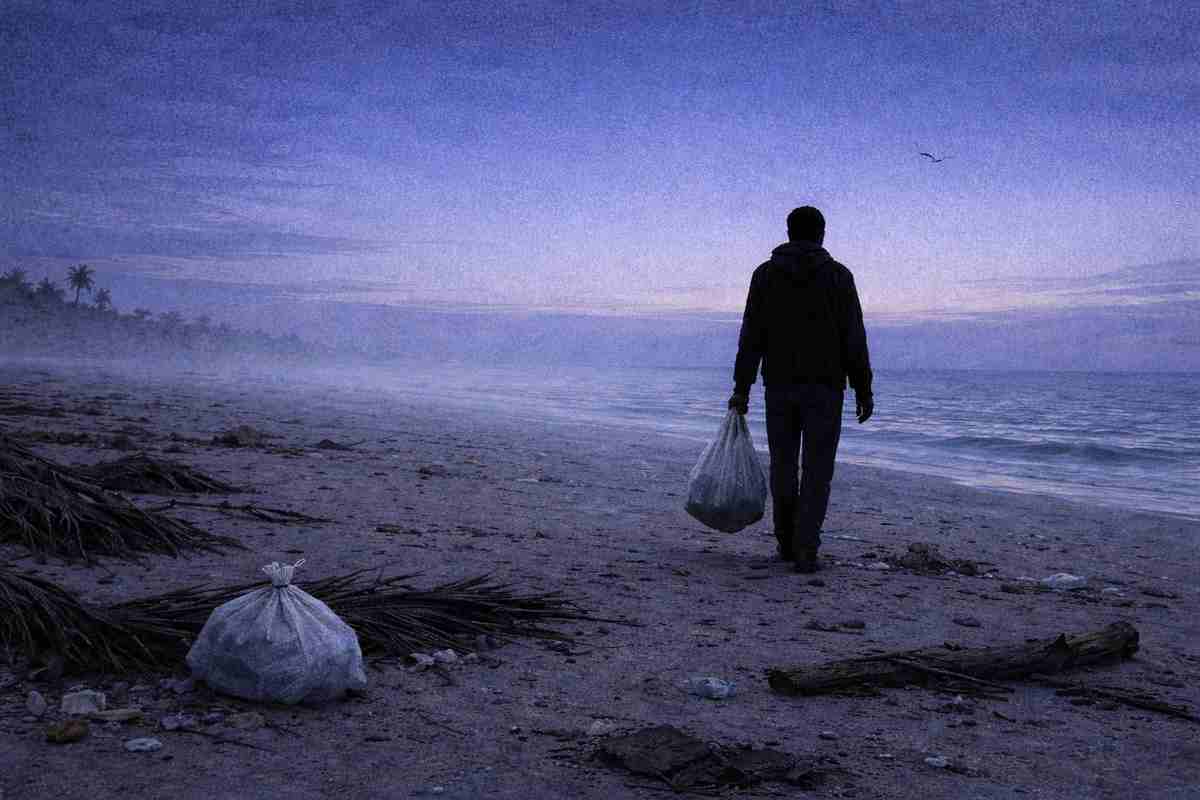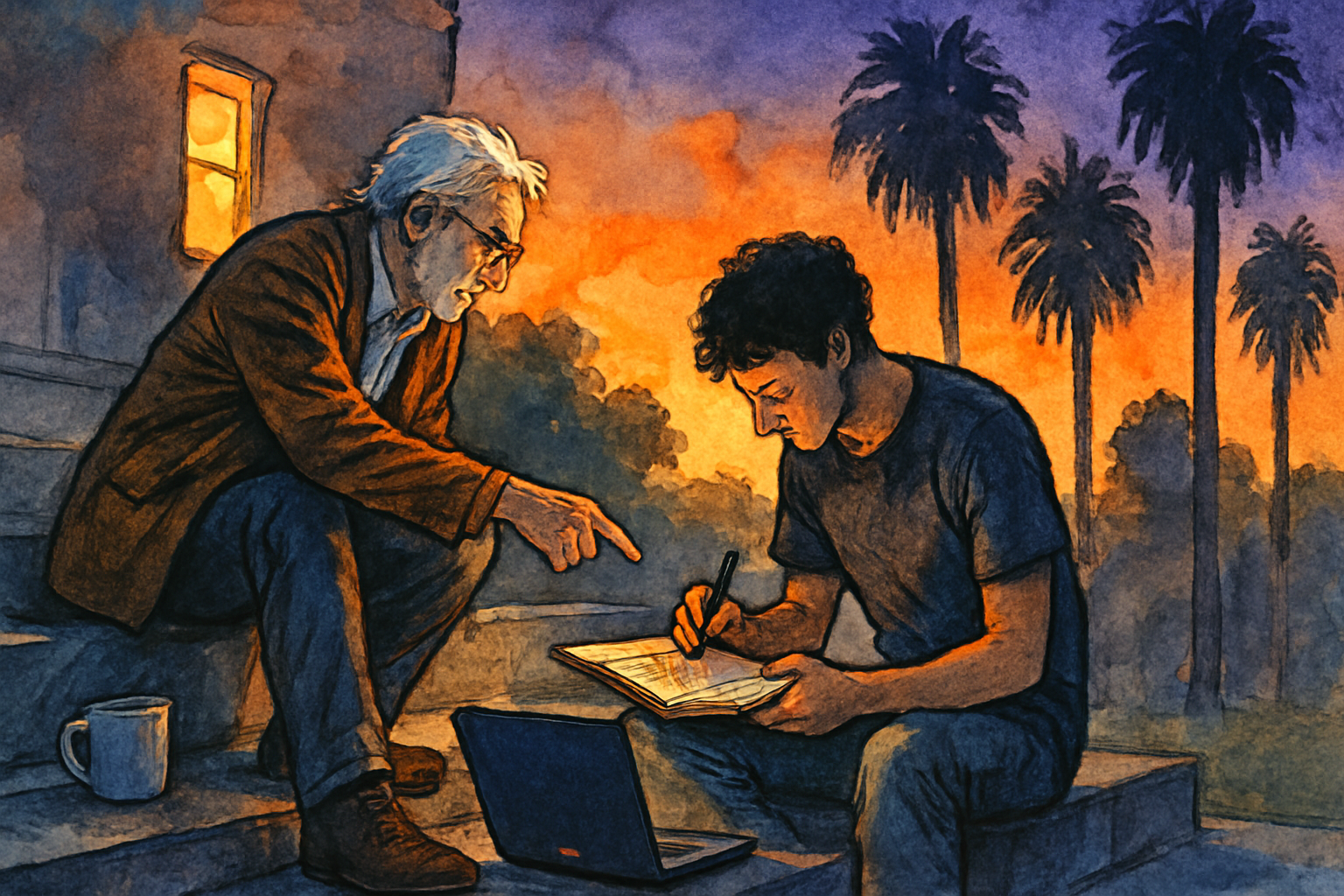
Someone asked me what I wanted my legacy to be. I was sitting in my office, and the question was the kind of thing you get asked when you are 64 and people have started to think about what it means that you were here. I had spent 25 years teaching. I had built something that other people were now investing in. I had trained students, published, done the work that you are supposed to do if you want to say that you mattered. The question was straightforward, but the more I thought about it, the less any of those things felt like the answer.
What came back to me was something much simpler than a body of work or a product or a classroom full of people who learned something from me. It was how I treated people. The Eagle Scout code I was taught as a kid. The decision to treat every person the way I would want to be treated if I were in their shoes. Not judging someone for what they believed, who they loved, how they worshipped, where they came from. Not deciding that because someone was different from me in some way that I got to be less kind to them. Just that basic: the way you treat people, that is what stays. That is what you actually left behind.
I thought about my grandmother, who died when I was young, and what I remembered about her. Not her accomplishments. Not her resume. What I remembered was the way she looked at you when you were talking to her, like what you were saying actually mattered to her, like your life was the most interesting thing happening in that room. That is a legacy. That is something that changes a person and then that person goes and changes other people with it. I thought about my own kids and what I wanted them to know about me, and it was not that I had built something successful. It was that I had loved them, that I had shown up, that I had tried to see them clearly and not through what I needed them to be.
The thing about legacy is that we are taught it has to be big. It has to be a monument or a building with your name on it or a genetic line that carries your DNA forward into the future. I have known for a long time that I will not have grandchildren. I will not see my bloodline continue. So if legacy is only about that, then I have nothing. But if legacy is about whether you left the room better than you found it, if it is about whether someone who met you once felt more capable of being themselves, if it is about whether you made it easier or harder for the next person to be kind, then that is something I can actually do. That is something I can do every single day for the rest of my life. That is not dependent on outcomes I cannot control. That is only dependent on me.
I think about all the students I have taught, all the conversations that did not result in anything you could point to and say, “There. That is what you created.” But somewhere in the world, one of those students is teaching someone else. One of them is treating their own kids with a gentleness they learned because someone treated them gently once. One of them is refusing to judge someone for how they were made, because nobody ever judged them. The reach of how you treat people is too complicated to map. You cannot see it. But you can feel it when someone has done it right. You can feel it in how safe you suddenly become, in how possible the world suddenly seems.
The work is this: unconditional love. Not earned, not conditional on performance or belief or appearance or anything else. Just that you were a person and you deserved to be treated like one. That is what my grandmother gave me. That is what I am trying to pass forward to everyone I meet. Not through grand gestures or famous work, but through the small unbending commitment to how I treat people in the room with me, the person in front of me, the one who does not have anywhere else to go. That is it. That is the whole thing. Because that is what actually lasts. That is what actually changes a person. That is what actually makes a life worth the living of it. The legacy is not what I built. The legacy is how I loved. And that is enough.
For Further Reading
Explore these resources for deeper context on the ideas in this post.
- Clarity, scale, legacy: A framework for enduring impact (Fast Company) — Framework for building enduring legacy
- Tech Is Fleeting. Legacy Is the Only Endgame (Fast Company) — Prioritizing lasting legacy over short-term gains