Exercise 3 of the Playing With Purpose series
The Exercise
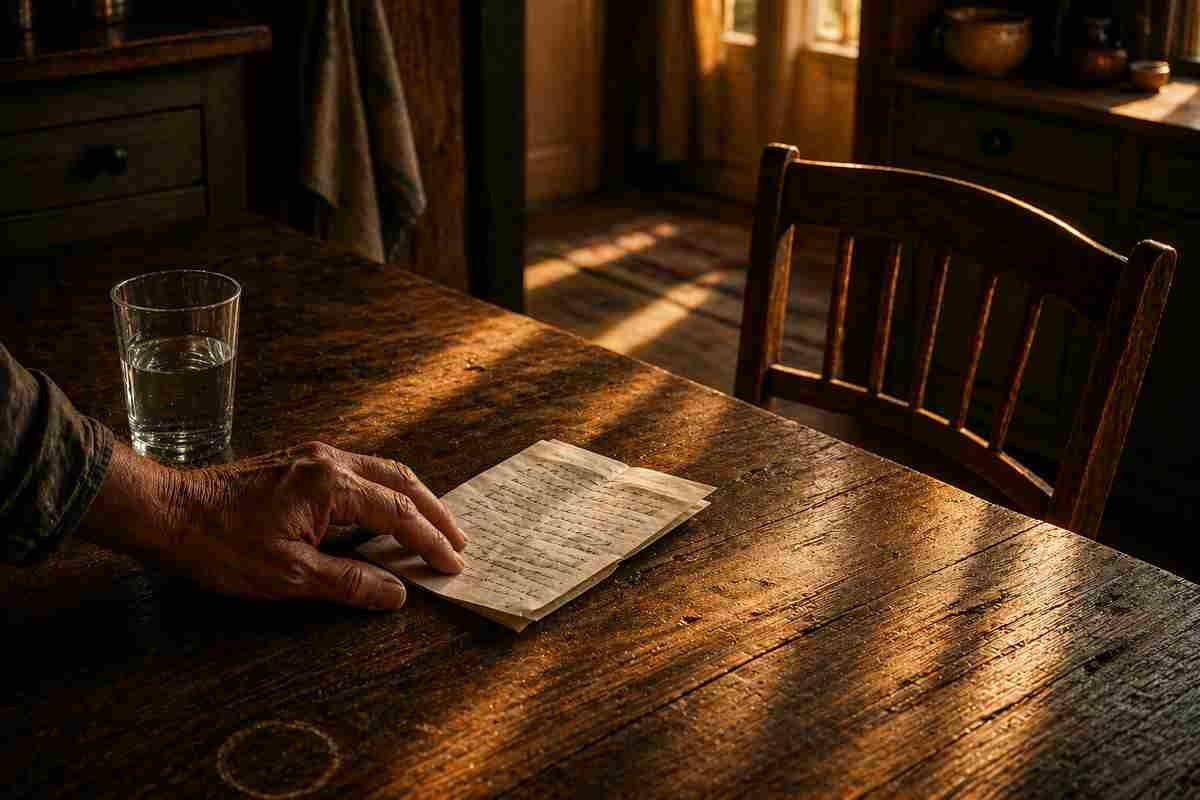
Think about something you’ve done recently where time disappeared on you. Not where you were distracted or scrolling, but where you were genuinely absorbed, where you looked up and two hours had gone by and you weren’t tired, you were energized. It could be anything. A game. A conversation. A project you stayed up too late on because you didn’t want to stop. A walk you meant to take for twenty minutes that turned into an hour.
Write about it. What were you doing? What did it feel like in your body? What happened to the sense of effort?
Then answer these:
The reflection questions:
- Do you do this thing regularly, or did you find a reason to stop?
- Have you ever thought of it as productive? Why or why not?
- What important thing in your life are you currently trying to accomplish through willpower, discipline, or forcing yourself?
- Is there a version of that same goal that could feel more like the thing you wrote about?
- What would you have to believe differently to let the easy path count?
What I Learned When I Did This
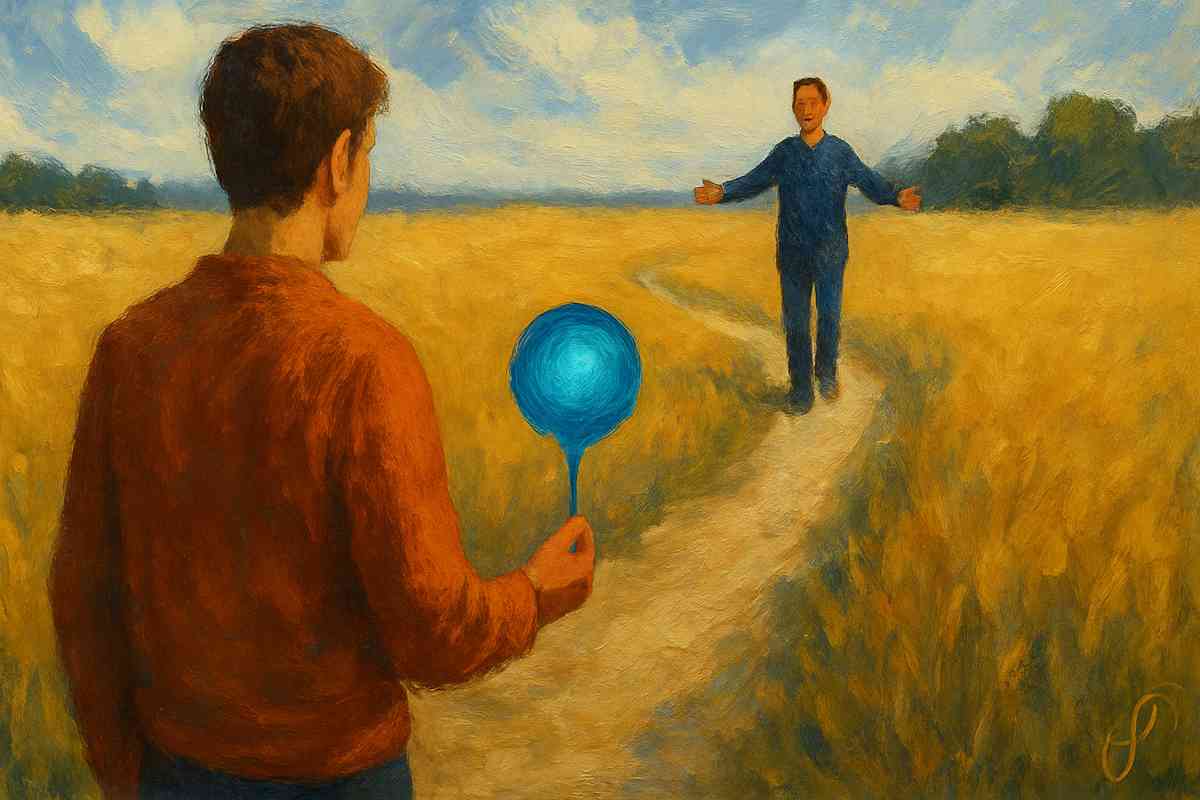
My wife Terri and I got a VR headset. This was not a health plan. This was not a fitness strategy. This was us getting something fun to do together, and we stumbled onto Beat Saber, which if you haven’t tried it is basically a rhythm game where you’re swinging virtual sabers at blocks that come flying toward you to the beat of the music, and it is ridiculous and joyful and, as it turns out, it is also exercise in a way that your brain simply does not register as exercise because you are having too much fun to notice.
Terri moved up fast. She has always been more coordinated than I am and she took to it immediately. I, being competitive in the way that all of us who grew up playing sports and losing don’t always like to admit, kept playing after she left for work in the mornings. Another session here, another hour there, chasing scores she’d put up the night before. She’d come home and immediately reclaim whatever high score I’d managed. It was genuinely fun. It didn’t feel like anything except wanting to get better at a game.
Two months later, my pants didn’t fit. I stepped on the scale and I had gone from somewhere in the mid-230s down to 220. I hadn’t been paying attention. I hadn’t been trying to lose weight. I’d been playing.
That stopped me completely, because I have tried to lose weight the disciplined way. I have told myself to get up and exercise, have dragged myself through routines I didn’t enjoy, have applied willpower to the problem the same way you’d apply willpower to anything you don’t want to do, which is to say it works until it doesn’t and then it stops and you feel worse about yourself than when you started. I know that cycle well. And here I had done none of that. I had just played a video game every morning because I wanted to get better at it, and my body had quietly dropped fifteen pounds in sixty days.
I got more intentional after that. Made some small adjustments to what I was eating, started taking vitamins again, kept playing. By July, when Terri and I got married, I was down to 174. I had lost roughly sixty pounds and it had felt like nothing except showing up for something I enjoyed.
I’m not going to pretend the story ends there because it doesn’t. Rotator cuff surgeries on both arms took me out, and then an injury from trying to run on an incline before I was ready, and by early 2025 I was back in the 230s, feeling old and out of breath, and my doctor was using the word pre-diabetic. I knew what worked though. I went back to it. Not willpower. Not a formal program. The treadmill this time, but the same principle: make it something you want to show up for, not something you grit your teeth through. Within six months I’d lost thirty pounds and I’m jogging again now, short intervals during longer walks, which for someone who smoked for forty-something years is not nothing.
The thing this exercise keeps showing me is that the question “how do I make myself do this?” is almost always the wrong question. Willpower is a resource and it runs out. Desire doesn’t run out the same way. The better question is “how do I make this something I actually want to do?” and that question requires honesty about what energizes you specifically, not what’s supposed to energize you, not what worked for someone else, but what makes time disappear for you.
I think we’ve been trained to be suspicious of easy, to believe that things worth having have to hurt or at least feel hard. And sometimes that’s true. But sometimes the hard thing and the playful thing are the same thing, and you just haven’t found the right frame for it yet. Sixty pounds and a wedding suit later, I’m inclined to give the playful path more credit than I used to.
What would you do for hours if it didn’t count as work? Start there.
Playing With Purpose is a series of creativity exercises for people who want to understand and reclaim their creative capacity. You don’t need to be an artist. You need to be curious.
Further Reading
- UX Mindsets: Fixed Versus Growth (NN/g) — Growth mindset and learning from failure
- Getting into the Discovery Mindset (NN/g) — Learning through failure and challenging assumptions