Exercise 2 of 20 from the Playing With Purpose Student Edition
From Book 1: The Door (Exercises in Permission)
The Parable
A designer named Marcus was cleaning out his childhood home after his mother passed away. He found a journal in a box in his closet. A journal from when he was twelve. He opened it and found drawings. Hundreds of them. Designs for buildings that did not exist. Logos for imaginary companies. Illustrations for stories he had never written. And then, on a page from when he was fourteen, he found a note in his own handwriting. “I am not creative enough. I will never be a designer.” Marcus felt something break open inside him. That note was the moment. That was the turning point. He remembered it. His art teacher had criticized a project in front of the class. And Marcus had decided, right then, that he was not enough. That he was not talented. That he should do something more practical.
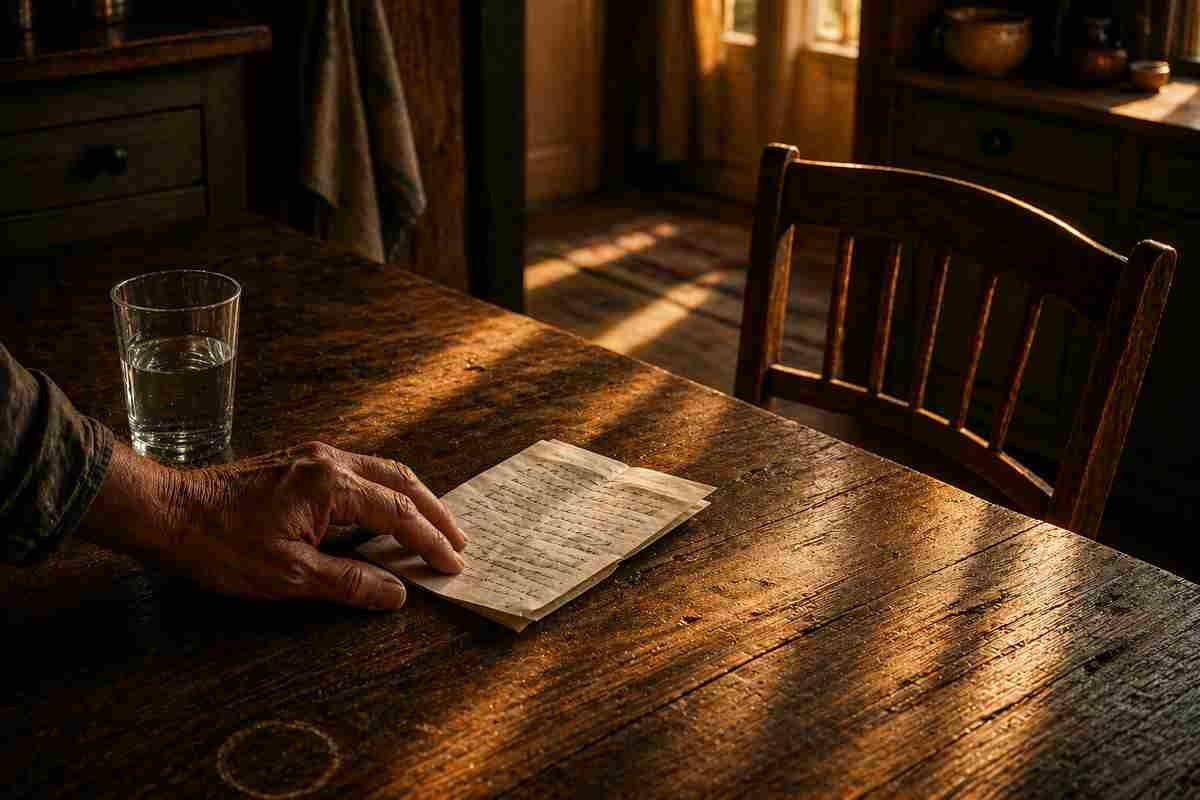
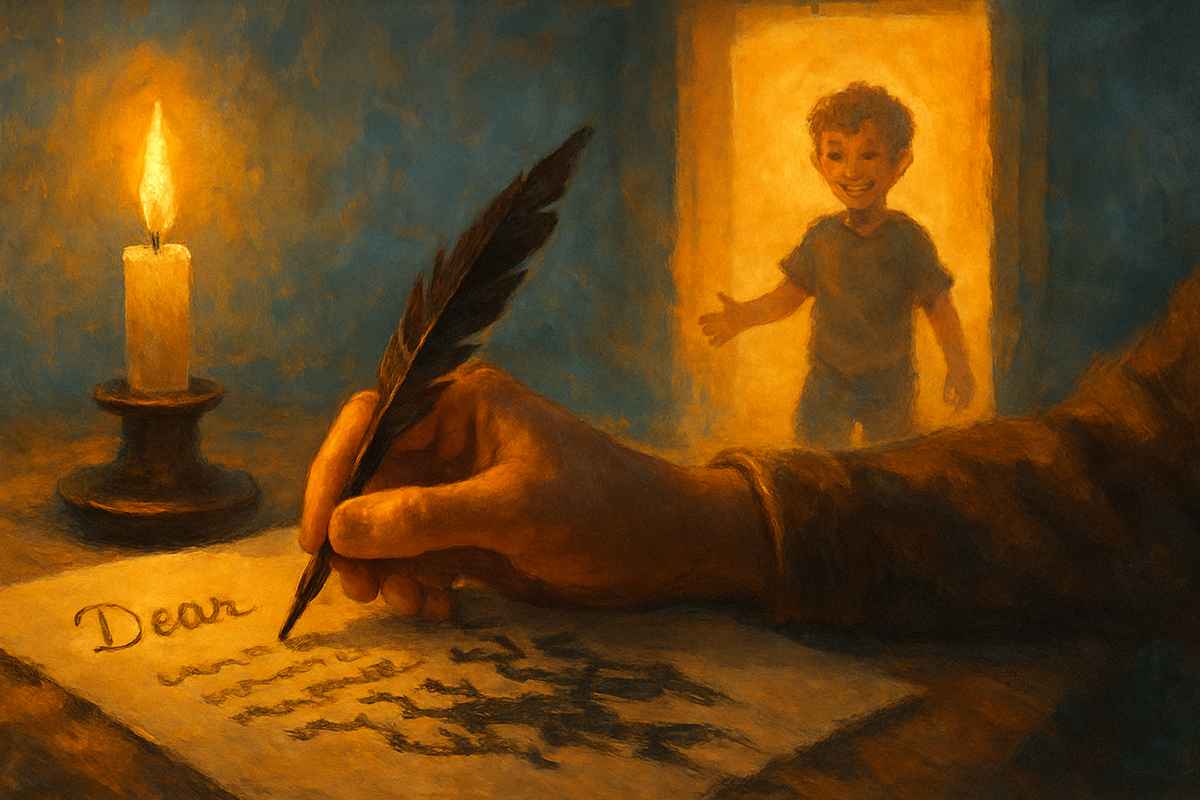
That night, Marcus wrote a letter to that fourteen-year-old version of himself. He told the young Marcus that the criticism was not true. He told him that the designs he made, the ones in the journal, were good. He told him that he was, in fact, creative enough. That he would spend the next thirty years becoming a designer because he kept finding his way back to it, no matter how many times he tried to stop. He told him that the voice that said “not enough” was the voice of a moment, not the voice of truth. And that if he could, he would go back and tell himself this earlier, so that younger Marcus would not have to spend so many years doubting. He would not have to lose so much time. But mostly, Marcus told his younger self this: I was wrong. You are creative. You always were.
The Exercise
Think about the version of yourself who first decided you were not creative. How old were you? What happened? Who told you? Write a letter to that younger person. Tell them what you know now that you did not know then. Tell them about the doubts that were false. Tell them about the parts of yourself that were always creative, even when you did not believe it. Tell them about what you wish you had known. Tell them what your life would have been like if you had believed in yourself. Write the letter with gentleness. Write it with the kindness you would give to a child who had lost their way.
You are not pretending. You are not making things up. You are reconstructing the story. You are rewriting the narrative. You are telling yourself the truth that you could not see before. This is the most important creative act. It is the construction of a new story about who you are. Give yourself ten minutes. Write the letter.
Reflection Questions
1. What did you most want to tell your younger self?
2. What emotions came up as you wrote?
3. How would your life have been different if you had received this letter when you were younger?
4. What is the most important thing this letter taught you about who you are now?
What We Were Trying to Do
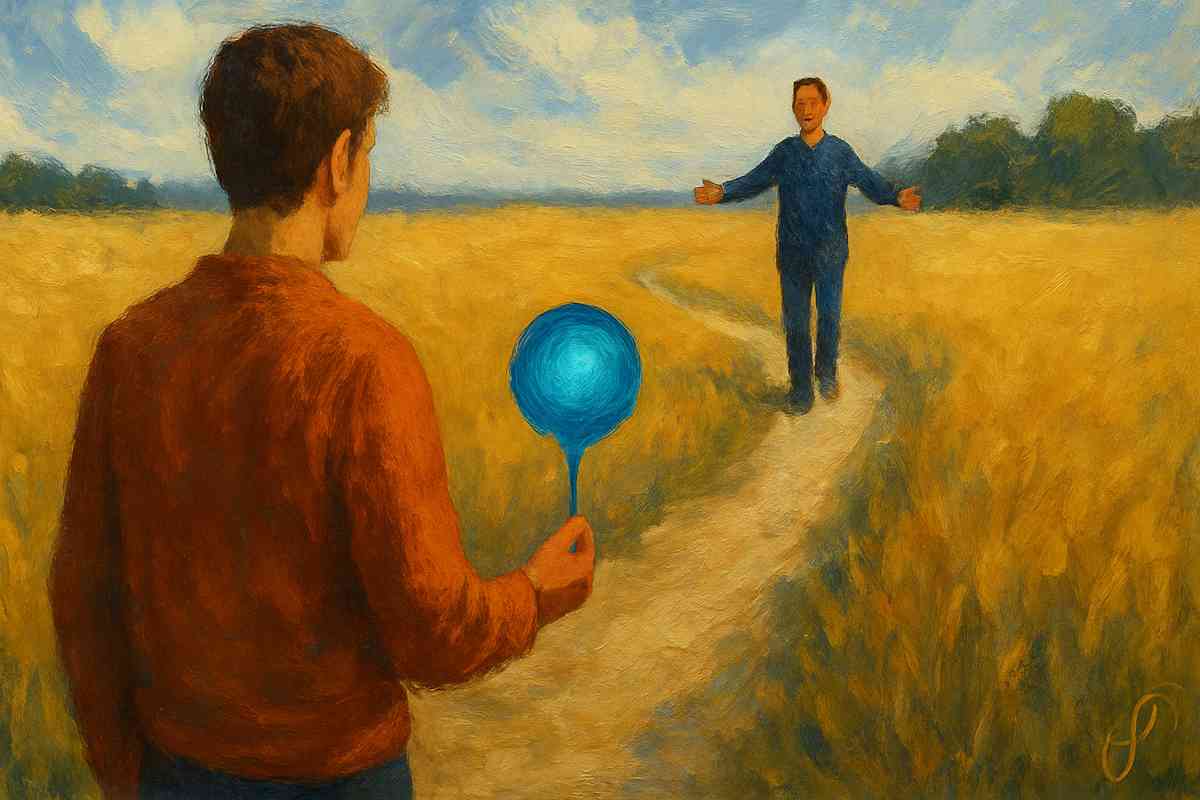
The most important creative act is the construction of a new story about yourself. You are the main character of your own narrative. You get to decide who you are. You have the power to tell yourself a story of creative possibility instead of creative limitation. And when you do, you become that new story. You become real.
Why It Matters
For years, you carried a story about yourself that someone else wrote. A story that said you were not creative. Not talented. Not brave enough. Not good enough. You believed that story because you were young and the person telling it seemed to know the truth. But that person was wrong. Or they were right about a moment, and you made a moment into a permanent identity.
This exercise gives you permission to revise that story. To write a new chapter. To tell yourself the truth. The truth is that you have always been creative. You might have stopped making things. You might have stopped trying. But the creative part of you did not disappear. It is still there. Waiting. Waiting for you to give yourself permission to become the person who creates again.
Once you write this letter, you cannot unsee its truth. You cannot go back to believing the old story completely. Because now you have written the new one. And now you know both versions exist. And now you can choose which one to believe. The old story of limitation or the new story of possibility. Most of the time, you will choose possibility. And that choice, made again and again, is what transforms you from someone who does not create into someone who does.
References & Further Reading
Millman’s work on narrative reconstruction in “The Desire Map” (Hay House, 2014, chapters 2-6) demonstrates that revising personal narrative through letter-writing activates neural pathways associated with compassion and self-integration. Linehan’s Dialectical Behavior Therapy, detailed in “Skills Training Manual for Treating Borderline Personality Disorder” (Guilford Press, 2015), emphasizes that self-compassionate narratives are stronger predictors of behavior change than rational arguments. Tangney, Stuewig, and Mashek’s research on shame versus guilt in “Moral Emotions and Moral Behavior” published in Current Directions in Psychological Science (2007, Volume 16, Issue 4, pages 221-225) shows that self-directed compassionate narratives are most effective at motivating genuine identity change.
Going Further
You do not have to share this letter with anyone. It is for you. It is a private act of self-compassion. You are giving yourself what you needed when you were younger. You are mothering yourself. You are fathering yourself. You are being to yourself what you needed someone to be.
You might discover that the letter is harder to write than you expected. That makes sense. You are contradicting a story you have believed for a long time. Sit with the difficulty. That difficulty is where the real work happens. That is where you are becoming someone new.
After you write the letter, consider reading it aloud to yourself. Hear your own voice saying the kind words. Hear your own voice telling yourself the truth. This is an act of deep creative courage. You are literally creating a new version of your own history. And that new version is the truth you get to live forward into.
Book 2
The Spark
Fifty Exercises in Curiosity
Five exercises on curiosity.
This exercise is from the Playing With Purpose Student Edition by Greg Williams. The complete series of 650 exercises across 10 books is planned for publication in summer 2026.
This is practice. Nobody will grade this.