Exercise 18 of 20 from the Playing With Purpose Student Edition
From Book 9: The Teach (Exercises in Teaching)
The Parable
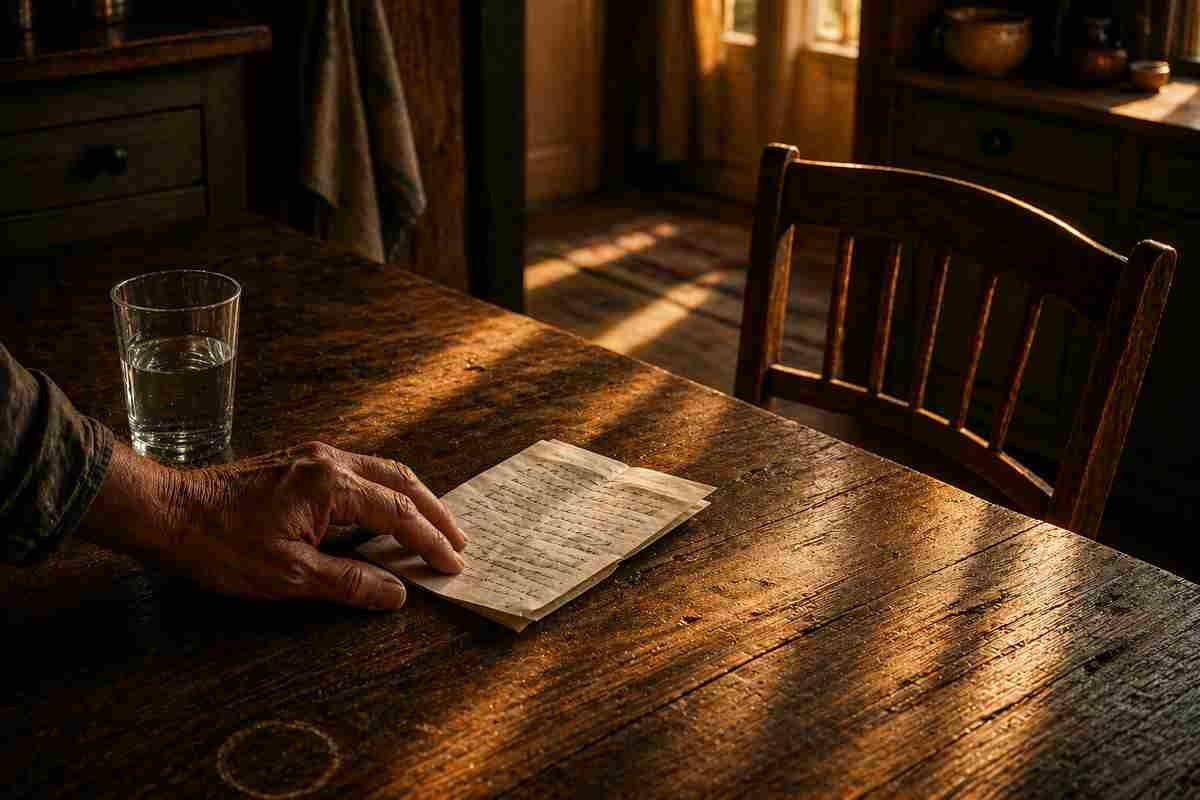
A man inherited his grandmother’s house. When he walked in, it was filled with things. Her dishes. Her books. Her furniture. The way she had organized it. The light through the windows the way she had left it.
He could have thrown everything out and started fresh. But he didn’t. He moved in slowly. He left some things. He changed some things. He added things of his own. Over time, the house was still hers and also his. It had her mark and his mark.
Years later, his daughter came to stay. And she saw both grandmothers and her father in the space. She saw the old things and the new things living together. And she added her own mark, too. The house became a conversation across generations.
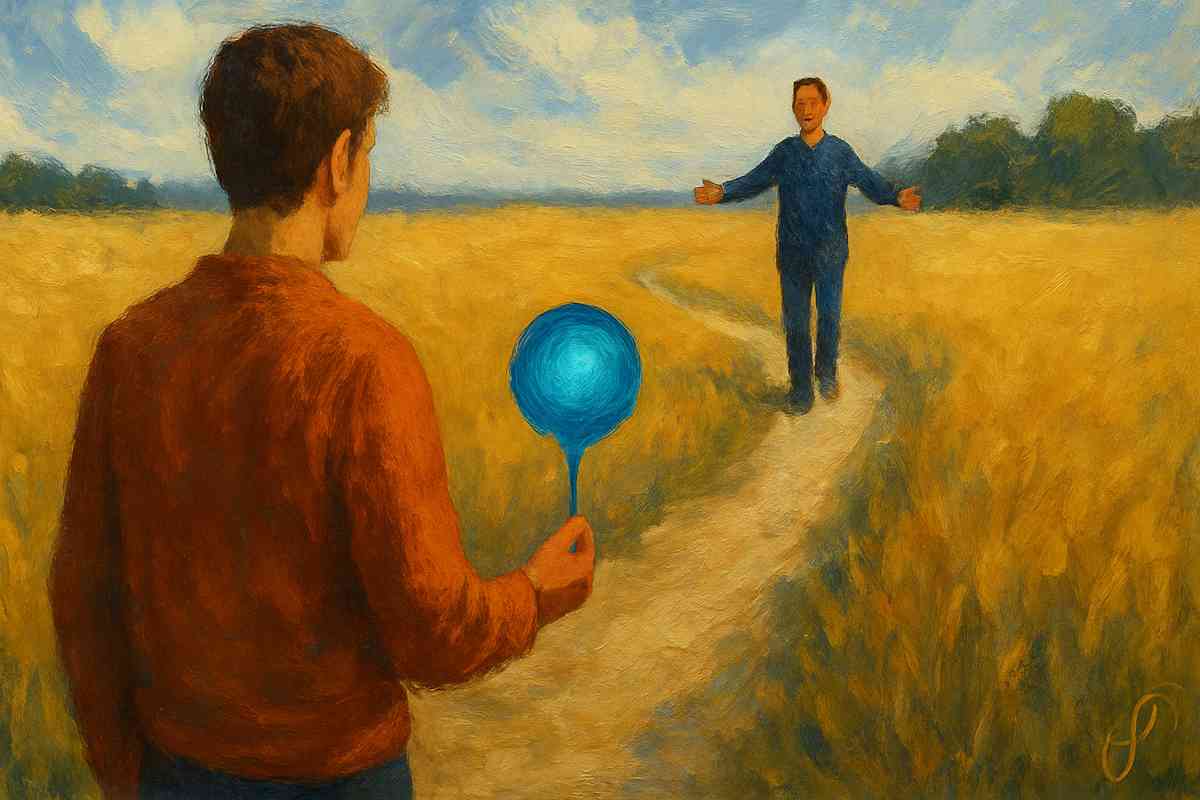
This is what creative inheritance means. You do not start from nothing. You receive something. You honor what was given. And then you add what only you can add. You pass it on changed, but rooted.
The Exercise
Draw a line down the middle of a page. On the left, write: ‘What I Received.’ On the right, write: ‘What I Will Add.’
On the left side, write everything you received from the creative tradition you belong to. Techniques. Knowledge. Values. Permission. Community. Ways of seeing. Be specific. Write ten things.
On the right side, write what you will add. Not what you have already added. What you will add. What only you can add because of who you are and what you know. Write ten things.
Look at the balance. Is it balanced? Do you feel that you are receiving and also giving?
Write one sentence at the bottom: ‘I receive gratefully. I give freely. I pass it on changed.’
Reflection Questions
1. What would be missing from your creative tradition if people like you did not add to it?
2. What have you received that you feel most responsible to pass on?
3. What is yours alone to add that no one else in your tradition can add?
What We Were Trying to Do
Some people believe they must reject the tradition they inherit to create something new. They think original means starting from nothing. But this is a misconception that often produces arrogance instead of art.
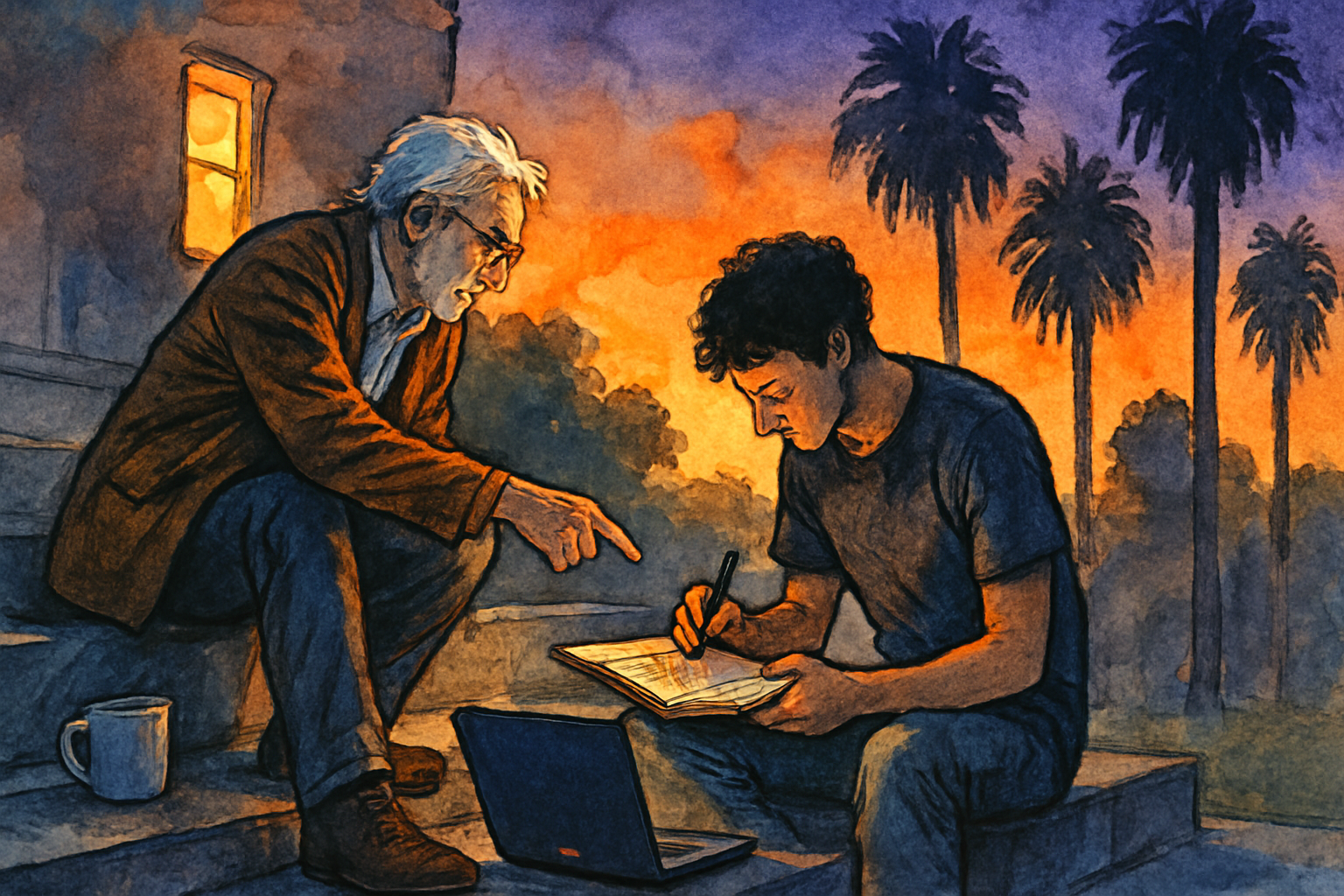
The truth is that the strongest creative work honors what came before while adding something new. You are not starting from scratch. You are standing on generations of work. Technique. Wisdom. Permission. You receive all of that. Then you add what only you can add. The tradition grows because of you, and you grow because of the tradition.
Why It Matters
Understanding your creative inheritance humbles you and also empowers you. It humbles you because you recognize that almost everything you know was given to you. And it empowers you because that gift is heavy and alive and waiting for you to do something with it.
When you honor your inheritance, you also give yourself permission to be an ancestor. The tradition will not die with you. It will continue through you, changed because of who you are. That is what it means to belong to something larger than yourself.
References & Further Reading
T.S. Eliot, ‘Tradition and the Individual Talent,’ Essays Ancient and Modern, 1919, pages 33-40
Robert M. Pirsig, ‘Zen and the Art of Motorcycle Maintenance: An Inquiry Into Values,’ Morrow, 1974, Chapter 4: ‘Hang On’
David Foster Wallace, ‘A Supposedly Fun Thing I’ll Never Do Again,’ Little, Brown, 1997, page xv
Going Further
This exercise is not about comparing what you received to what you can add. Sometimes you receive a lot and add a little. Sometimes you receive a simple thing and make something complex from it. The point is that you understand the exchange. That you feel the weight of inheritance and the possibility of legacy.
Book 10
The Return
Fifty Exercises in Renewal
Five exercises on renewal.
This exercise is from the Playing With Purpose Student Edition by Greg Williams. The complete series of 650 exercises across 10 books is planned for publication in summer 2026.
This is practice. Nobody will grade this.