What Happens When You Question Everything You Built
A few days ago we had something ready to move online, something I’d been building toward for a long time, and then I stepped back and I asked a different question than I’d been asking, not “is this ready,” but “is this what we actually need to build,” and the answer wasn’t clean and it wasn’t simple and it opened a conversation I hadn’t been willing to have because the conversation threatened the whole project that I’d been protecting for months. That moment, when you’re standing in front of the thing you’ve made and you ask whether the thing itself is right, not whether the execution is right but whether the idea is right, that’s the moment where everything can unravel if you’re not careful, and I want to talk about what unraveling actually means and what it costs and what it’s worth.
The hardest thing about questioning the thing you’ve built isn’t the money it might cost or the time you already spent or the uncertainty of what comes next; it’s the identity part, you know, after months of building something, years maybe, you become the person who is building that thing, and the project and the person get tangled up so completely that questioning whether the project is right feels like questioning whether you are right. If the thing is wrong then you chose wrong and if you chose wrong then who are you, and that identity question is where the real resistance lives, not in the practical considerations but in the existential one.
If the thing is wrong then you chose wrong and if you chose wrong then who are you, and that identity question is where the real resistance lives, not in the practical considerations but in the existential one.
Greg Williams
The important thing is not to stop questioning.
— Albert Einstein
I built the first version of something that felt right, and I kept building, and people started to believe in it and I started to believe in it and the belief became large and I became the person who believed in it, and I’d said yes to that identity and I’d organized my time around it and I’d moved my life toward it, so when the questioning came it came with the weight of all that yes behind it, all that momentum, all that commitment. Stopping to ask whether the direction was right felt like stepping in front of the train I’d already set in motion.
But the question has to come at some point if you’re doing the work honestly, and the question is more important than the answer because the question is what prevents you from being locked into a direction that made sense at the time but doesn’t anymore, that solved the problem you understood but not the problem you understand now. Most people don’t ask the question because the question is too dangerous, it threatens too much, and they keep moving forward on momentum and conviction and fear of looking back, and they end up completing something that wasn’t actually worth completing because they never gave themselves permission to doubt it.
I’ve watched this happen with projects and with marriages and with careers, the way people keep moving forward because the direction is set and the identity is built and stopping to question feels like stopping entirely, like falling, like losing everything you’ve worked for. The truth is more complicated and less binary than that; the truth is that stopping to question might change what you’re building but it doesn’t erase the work you’ve already done, and it doesn’t make the time you spent a waste, and it doesn’t make the person you became in the process worthless. The questioning is a refinement, not a destruction, unless you’re asking the question in a way that’s designed to justify destruction.
The questioning is a refinement, not a destruction, unless you’re asking the question in a way that’s designed to justify destruction.
Greg Williams
What I’m doing with this project is asking: is this the right problem to solve, and am I solving it in the right way, and are there foundational assumptions I made early on that don’t actually hold anymore, and are there better ways to think about this now that I understand it better? The questioning didn’t kill the project; it clarified it, and the version that survived the doubt is more focused and more honest about what it is and what it isn’t and more aligned with the actual problem it’s trying to solve. The project that survives your hardest questions is stronger than the one you protect from questioning because it’s been tested against the doubt.
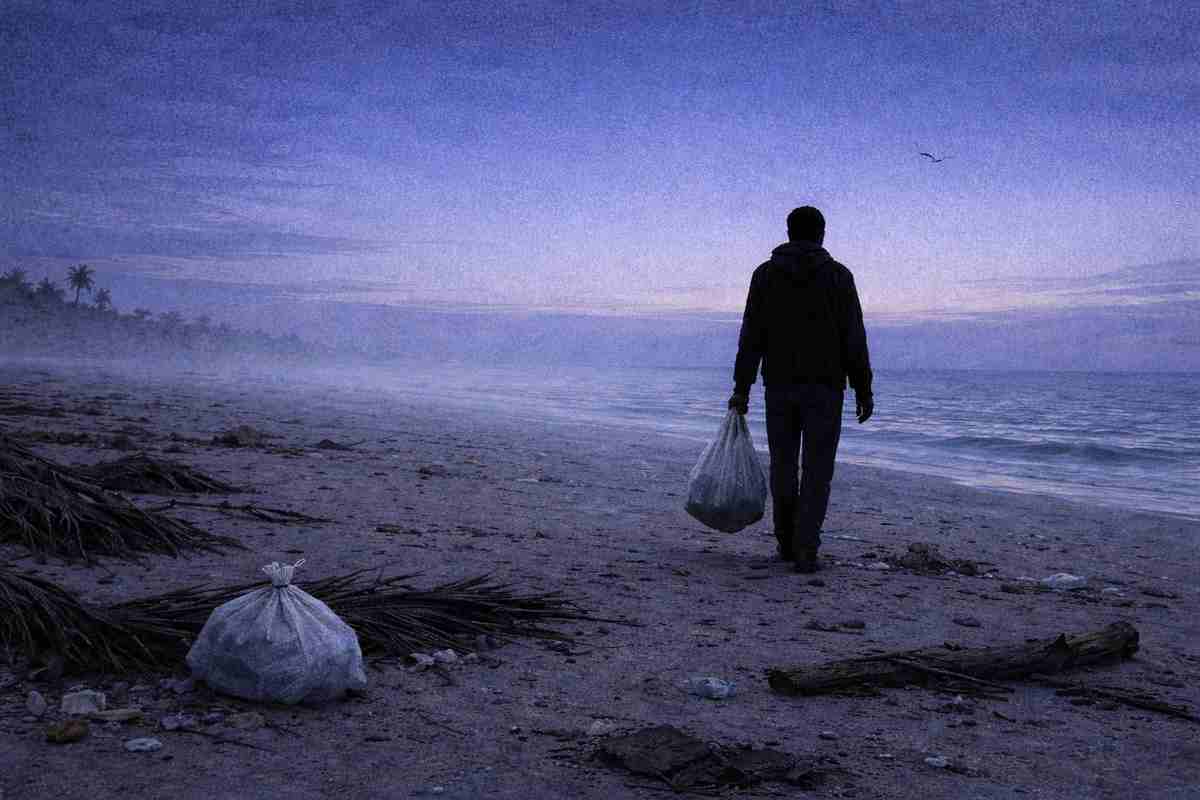
There’s a beach story that lives underneath all of this, and I want to be clear about the connection. After the business collapsed and the divorce and the collapse, I sat on a beach and I had everything stripped away, not metaphorically but actually, the business was gone, the marriage was over, the money was gone, everything I’d been protecting and building and organizing my life around had been destroyed, and in that destruction I had to rebuild from what was actually true instead of what I’d been performing. What remained was more valuable than what I’d lost because it was built on truth instead of protection, and the questioning moment in this project is the same moment as sitting on that beach; it feels like destruction because you’re letting go of something, but what you’re doing is rebuilding on a more honest foundation.
The project that emerges from serious questioning is different from the project you were building before the question, and the difference is that it’s more real; it’s based on what you actually know now instead of what you assumed you knew then, and it’s more likely to matter because it’s focused on the actual problem instead on a version of the problem you’ve already committed to solving. The interrogation of the project is the interrogation of the assumptions, and the assumptions are everything because the assumptions are what drive the decisions and the decisions are what create the work.
I don’t know yet what happens to the thing I’ve been building; the questioning isn’t done and the direction isn’t clear and I’m sitting in that uncertainty the way I sat on the beach after everything fell apart, knowing that something has to change but not knowing exactly what or how. What I do know is that the questioning was necessary and that avoiding it would have cost more than asking it, and that the willingness to doubt what you’ve built is what separates work that matters from work that’s just momentum. The project survives the question because it can survive the question, and if it can’t then it wasn’t worth building in the first place.
For Further Reading
Posts that connect to the themes explored here.
- More from Greg Williams — Additional posts on design, creativity, and teaching.