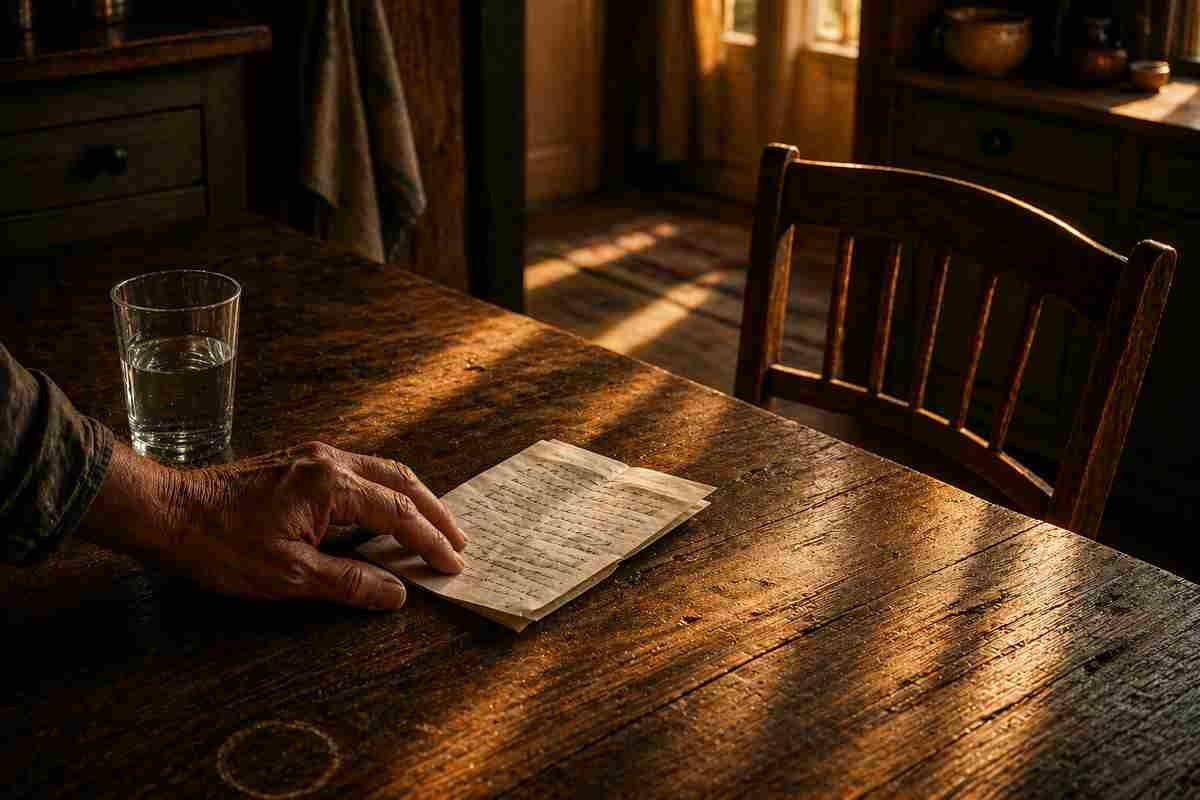
I watched a student sit in front of a blank canvas for forty minutes last week, and I knew exactly what was happening because I’ve watched it happen maybe two thousand times in twenty-five years of teaching. She was waiting for permission, see, waiting for that moment when the idea would be clear enough and the plan would be good enough and her hand would finally move without that little voice saying “but what if it’s terrible?” Here’s the thing: the voice was right. It probably would be terrible. And that’s exactly the mechanism that unlocks the work.
When I was developing the 650 creativity exercises for the Playing With Purpose series, I learned something that changed how I teach. I was deep in the process of building out the exercises, each one needing a short story as a lead-in, about 150 to 200 words, something you could read in thirty seconds that created context and pulled you in without feeling like work. I kept trying to make these narratives perfect, kept revising them for elegance and wit, and then one morning it hit me: what I needed was permission to write the worst possible version. I almost laughed because that’s ironic coming from someone building creativity tools, and then I stopped laughing because it was completely right.
The worst possible version, made in ten minutes with full permission to be terrible, does something that no amount of planning can do. It exists. That’s it. That’s the whole thing. Once something exists, even if it’s bad, even if it’s embarrassing, the mind can work with it. You can see what’s wrong; you can feel what’s missing; you can hear where it doesn’t land. But a blank page? A blank page is infinite and paralyzing because it contains every possible failure at once and no actual information to work with.
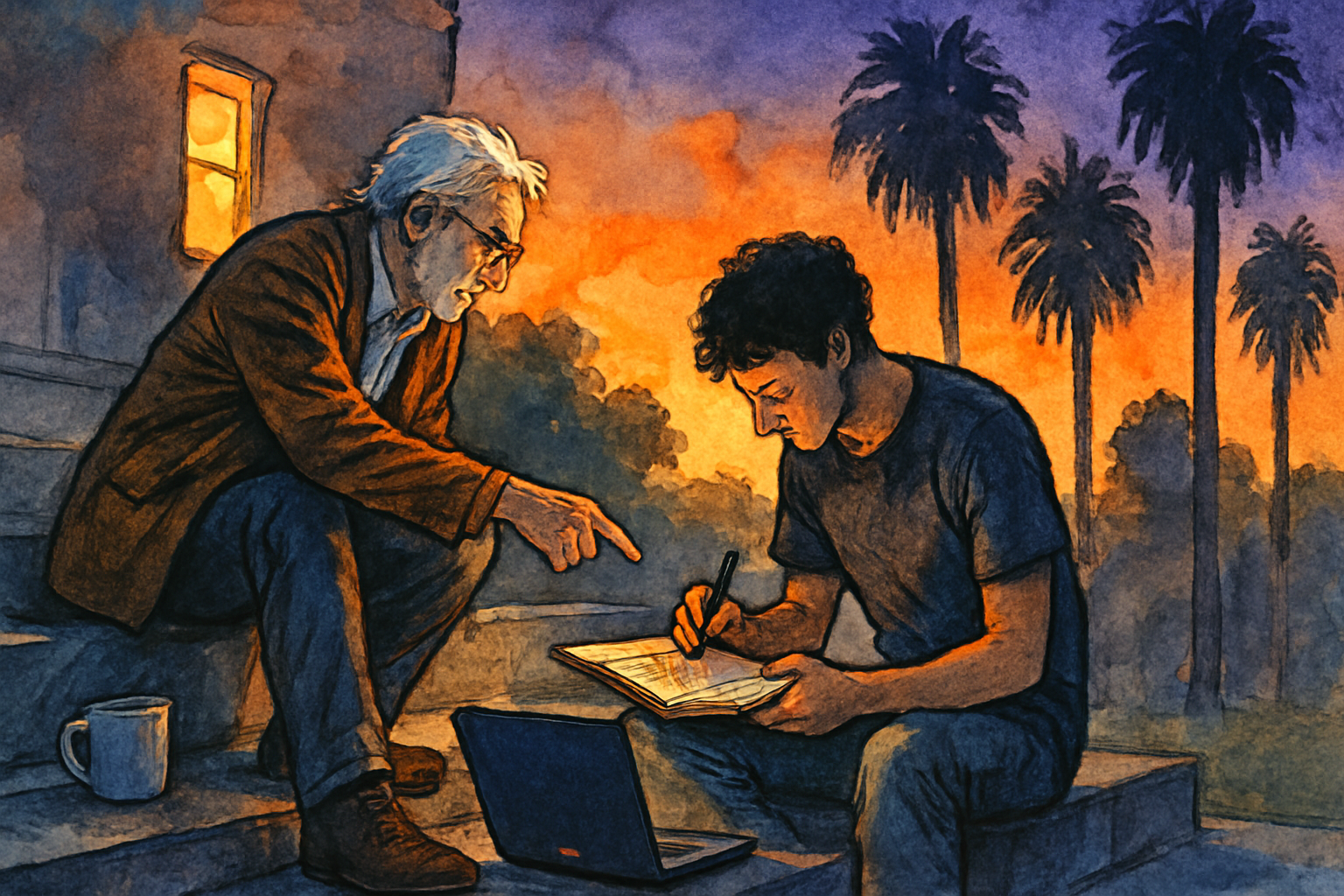
What I started noticing in the studio, working with students for hours at a time, some just beginning and some advanced, was that the ones who moved forward fastest were never the ones who spent the most time planning. They were the ones who gave themselves permission to make something bad first. I’d say, “Make the worst possible version of this in ten minutes, and you have my full guarantee it will be bad. That’s the requirement. Go.” And then the room would change. The paralysis would lift because the goal had shifted from “make something good” to “make something real,” and suddenly their hands would move. They’d make something that was rough and angular and probably unpolished, and then we’d look at it together, and there would be something true in it.
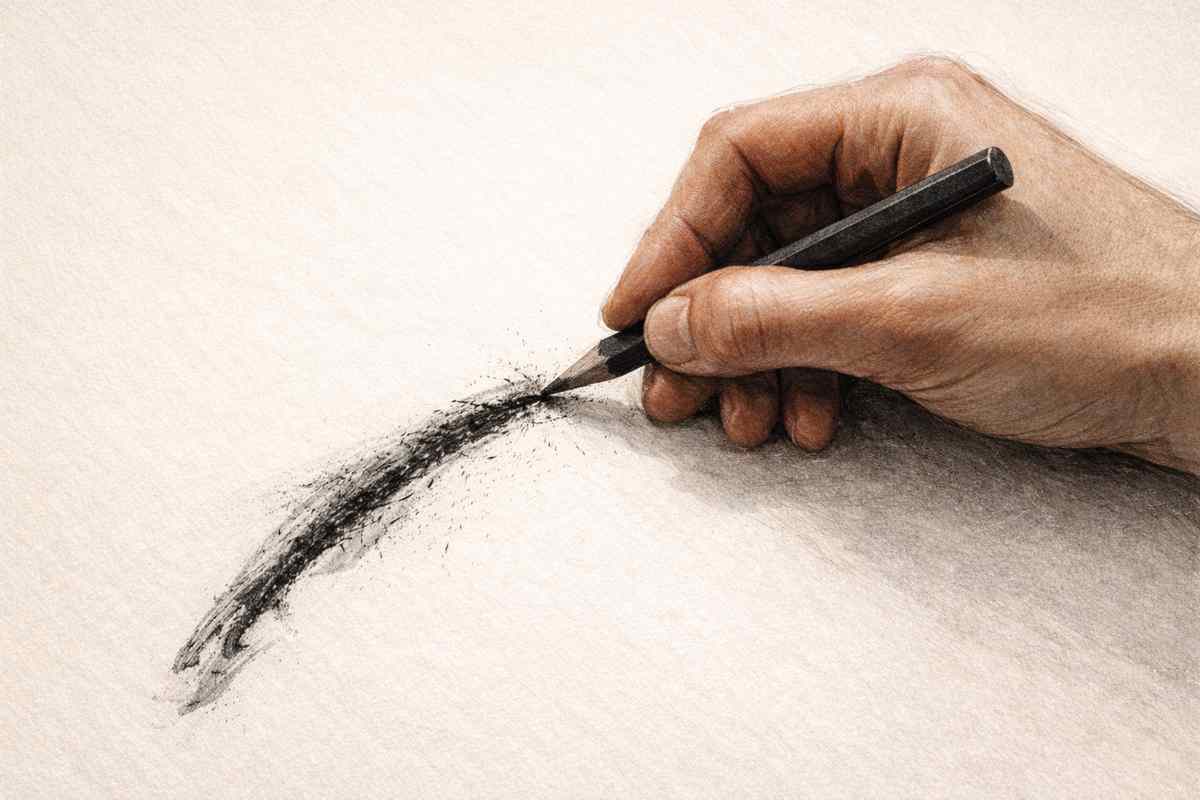
This is not the same as “just start somewhere” or “the first draft is always bad.” I’ve heard those things, and they’re true, but they’re abstract. What I’m talking about is specific permission: the worst possible version is the goal, not an unfortunate step toward a better goal. When you make the worst possible version deliberately, you’re not failing to reach excellence yet, you’re succeeding at something else entirely. You’re creating material. And material is what creativity needs. The hand moves before the mind understands, every time, and the worst possible version is how you get the hand to move.
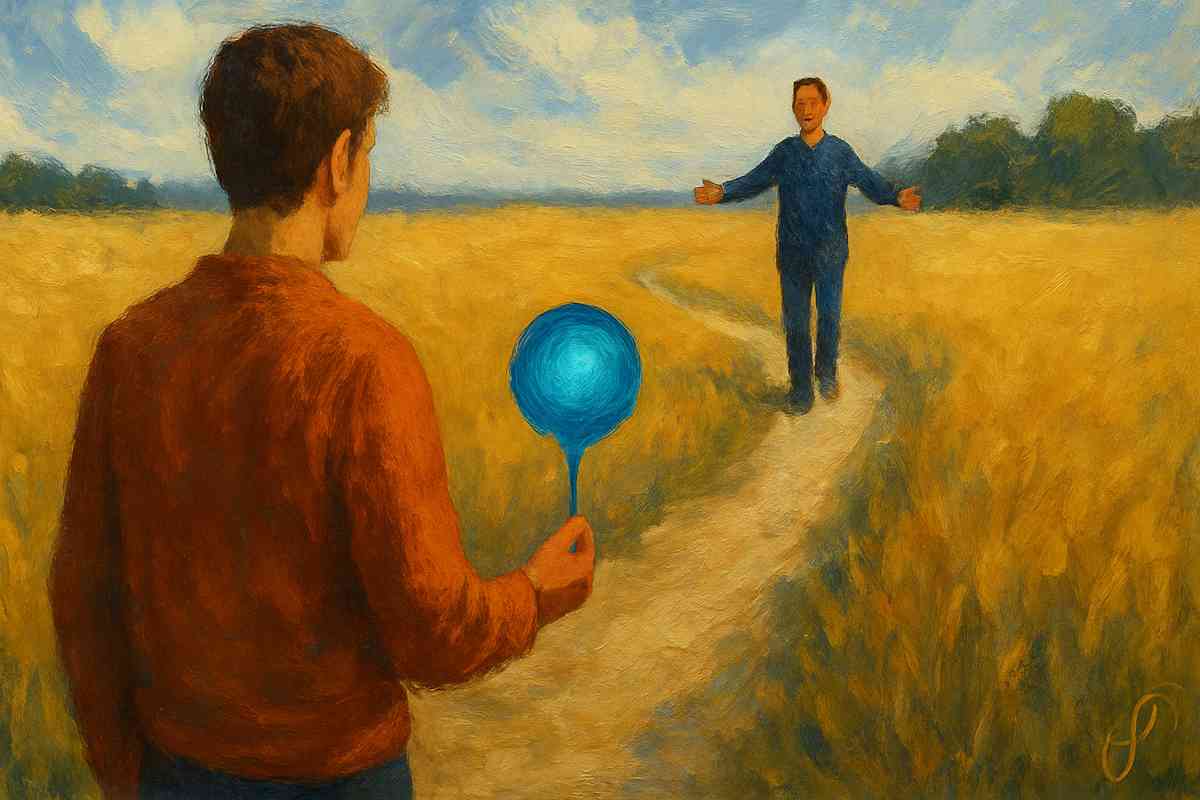
I built this directly into the exercises I was creating because I’d seen it work so many times in the studio. You can’t lecture someone out of fear of being bad at something, but you can give them a frame where being bad is the point. The parable that leads into each exercise carries this somehow, not by explaining it but by showing it. You read the story, you get the sense of permission, and then you do the exercise. And something shifts.
The question I started asking myself wasn’t “How do I help people become more creative?” but “How do I help them stop waiting for permission that will never come?” And the answer was simpler than I expected: you give them permission to be worse than they think they’re allowed to be. You draw the worst possible version yourself, you write the worst possible opening paragraph, you sketch the worst possible composition, and then you look at what exists. That’s when the real work begins, and you’d be shocked at what’s possible when you’re not trying to be good yet.
So the next time you’re sitting in front of a blank page or a white canvas or an idea that won’t move into reality, you know what to do. Give yourself ten minutes and one explicit goal: make it bad. Make it worse than you think you should. Give yourself permission to be rough and unfinished and not ready. Let the hand move first. Let it fail on purpose. The worst possible version isn’t a setback; it’s the starting line, and you’ll be amazed at what happens next when you’re not so busy waiting for perfect.
For Further Reading
Explore these resources for deeper context on the ideas in this post.
- UX Lessons I Wish I Learned in School (NN/g) — Overcoming perfectionism and starting design work
- Facilitating an Effective Design Studio Workshop (NN/g) — Rapid ideation and making over perfectionism