Your Best Ideas Don’t Come From Trying Harder. They Come From Moving.
I’m on the treadmill at 5:30 in the morning, and I’m not there to get in shape. I mean, yes, the cardiovascular benefits are real and my knees hurt less these days, but that’s not why I show up for 100 minutes five days a week. I’m there because something happens to my mind at a sustained elevated heart rate that doesn’t happen anywhere else, and after 25 years of teaching design I’ve learned to recognize the difference between real insight and the noise my brain produces when I’m sitting at a desk trying to think harder.
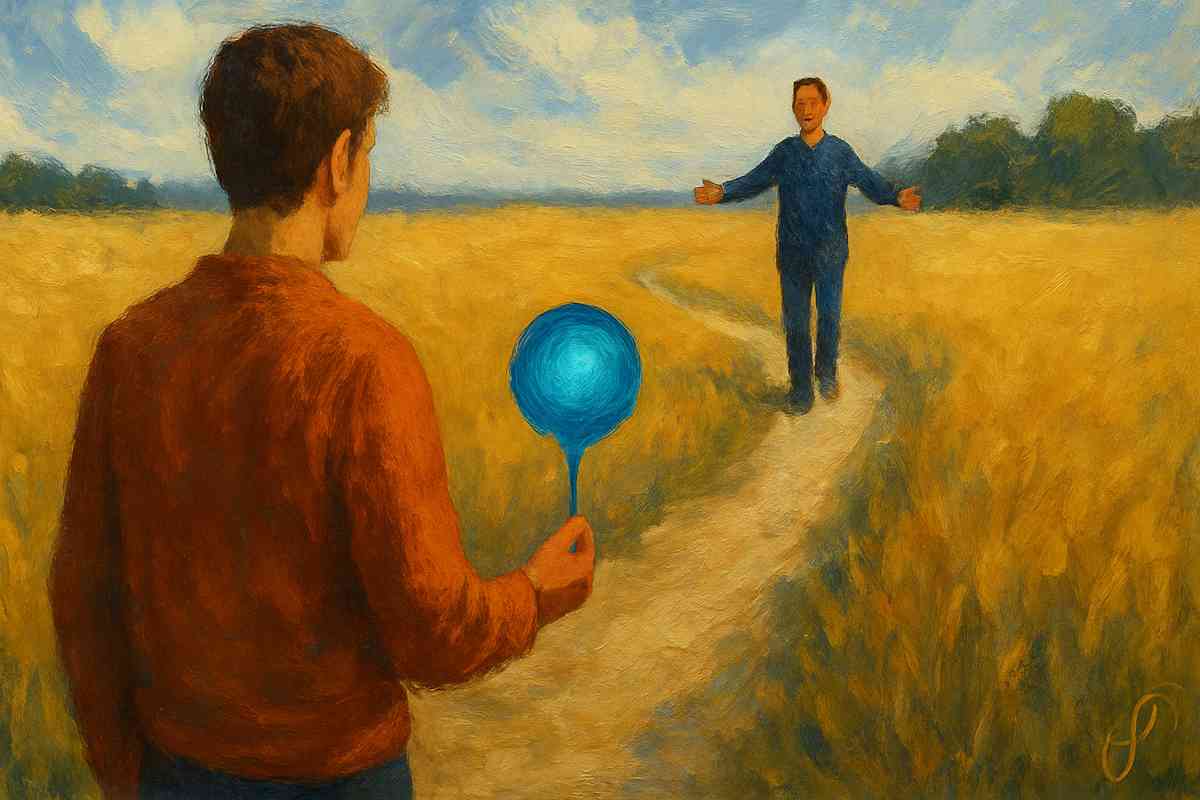
Here’s the thing, and I know how this sounds. When I hit around 130 beats per minute, there’s a spiritual quality to it, a kind of searching that feels almost meditative. My mind opens up but doesn’t grab at anything specific; it’s just receiving. Then as I push into 140, memories start surfacing and connecting in ways they don’t when I’m intentionally trying to make associations, and these aren’t random memories either, they’re the ones I actually need. And then there’s what I call the Ruler’s Eye, that zone around 150 BPM where everything crystallizes into this euphoric state where I’m singing without the speaker system, directing the band with one hand, completely in the creative flow, and the ideas that come in that state are the ones that stick with me after the session is done.
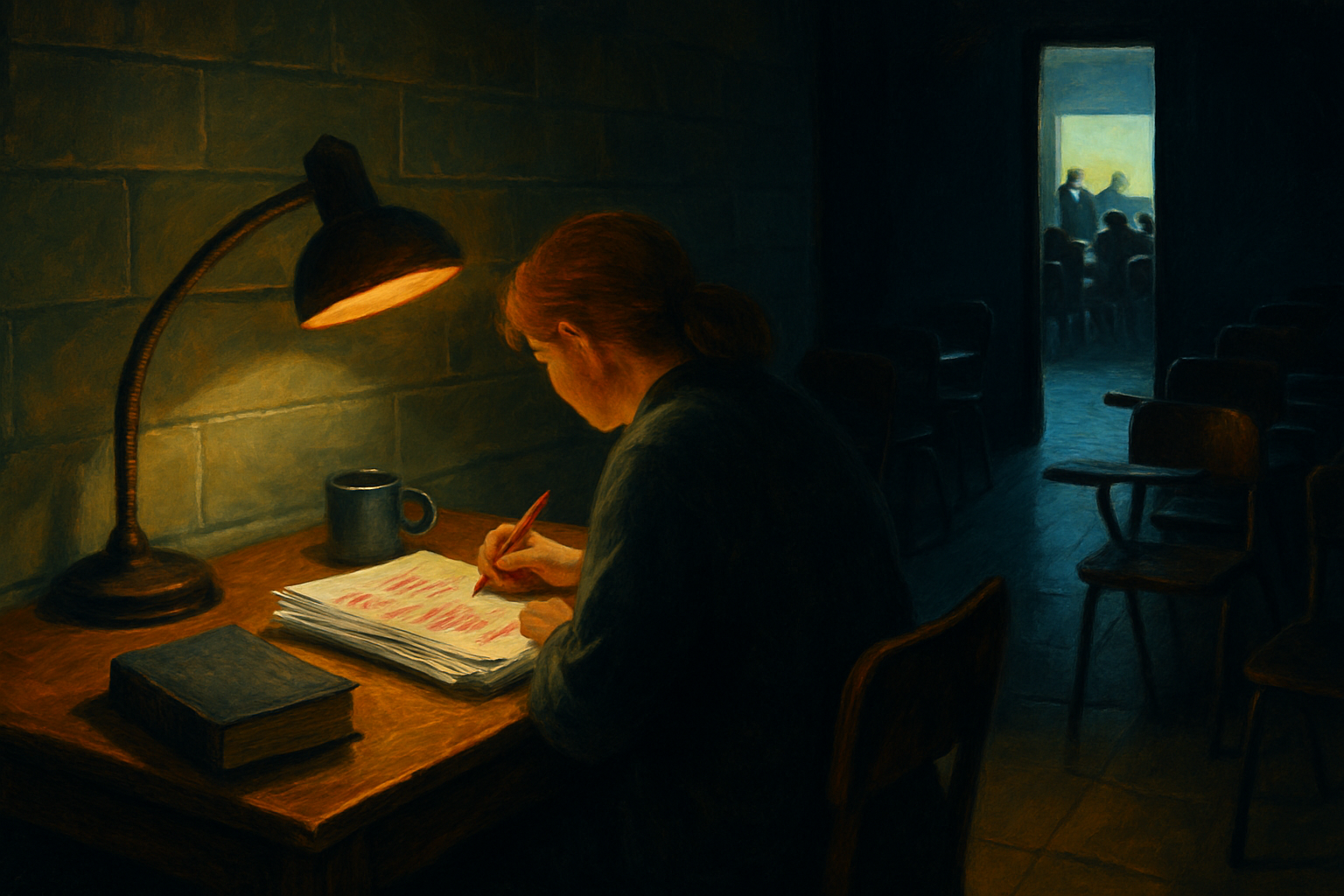
But here’s what I learned the hard way, and I’ll admit I felt pretty foolish when it first dawned on me, I cannot reach for my phone while I’m in that state. The moment my hand moves toward the phone to record whatever’s coming through, the state collapses. It just evaporates. So I stopped trying to capture it live and instead I finish the hundred minutes, cool down for ten more, and then I sit down and write or sketch or voice record whatever I still remember. And what’s remarkable, and this is the distinction that matters, the ideas that were accessible in the body remain accessible to the mind once the body stops moving. The treadmill isn’t where I think; it’s where ideas surface. The desk is where I think about what surfaced.
Most people, I think, treat their best creative work like it’s something they have to wrestle into existence through pure mental effort. They sit at their desk and they try harder and they stare at the screen and they believe the resistance they’re feeling means they’re close to something good. But I’ve watched thousands of students do this, and I’ve done it myself for years before the treadmill practice became part of my daily life, and what actually happens is you hit diminishing returns fast. The harder you think, the narrower your perception gets, and eventually you’re just rearranging the same three ideas you already have in slightly different orders.
Moving at intensity does something different. It loosens the grip of the conscious mind without letting it fall asleep, and in that gap, connections happen. Memories surface that you didn’t know were relevant until they’re suddenly there. Your nervous system accesses information that your prefrontal cortex hasn’t solved for yet. I can’t explain the mechanism of it scientifically; I’m a designer, not a neurologist, and honestly I wouldn’t want to reduce it to mechanism anyway because that might make it less useful. What I know is that the ideas that come in that state are better than the ideas that come from trying harder at a desk.
When I started My Design Helper, the whole architecture of it, the way it needs to work, the problems it needs to solve, none of that emerged from me sitting in planning meetings trying to be strategic. It came from mile 60 on the treadmill on a Tuesday in February when my heart rate had settled into that Ruler’s Eye zone and the solution just crystallized, fully formed, like it had been waiting for me to get to the right mental state to receive it. I finished out the run, came home, showered, sat down, and got all of it down on paper. The core insights were there because the medium that created them was movement, not effort.
You know what the hardest part about this realization is? It means you can’t force it. You can’t decide on Thursday that you need a brilliant idea by Friday and work late trying to have one, because the work, the trying, actually puts you in the exact mental state that prevents the idea from emerging. You have to move first. You have to create the conditions for the insight to surface. And that means your schedule has to accommodate the movement, which means your life has to accommodate the movement, which means some things don’t happen that might have otherwise.
I wonder sometimes if this is what’s missing from how we teach people to be creative. We show them tools and we show them case studies and we show them frameworks, and all of that is necessary, but we never tell them to move. We never tell them that the solution to the blank page might be to leave the desk, to get your heart rate up to 150 beats per minute, to create the neurological conditions that let the ideas actually come through. We treat the body and mind as separate systems instead of understanding that one moves and the other thinks, and they need each other.
So I’m curious about this for you. What gets your heart rate up? What physical activity creates a state where you’re moving but still thinking, still receiving, still open to connection? Because once you find that thing, whatever it is, the quality of the ideas you’re able to access changes. And the work you’re able to make from those ideas changes with it.
For Further Reading
Explore these resources for deeper context on the ideas in this post.
- Facilitating an Effective Design Studio Workshop (NN/g) — Movement and embodied cognition in design
- 3 Personal Habits That Will Foster Your Creativity (IxDF) — Physical habits that support creative thinking