Exercise 13 of 20 from the Playing With Purpose Student Edition
From Book 7: The Room (Exercises in Collaboration)
The Parable
A potter showed her bowl to a friend and asked, ‘Is it good?’ The friend smiled but said nothing helpful. The next day she showed it to her mentor and asked only, ‘What do you see?’ The mentor said, ‘I see a lip that catches light differently on the left side. I see your hand knew where to press.’ The potter learned more in those two sentences than in a hundred yes-or-no judgments.
You think you want approval. What you actually need is clarity. When you ask ‘Do you like it?’ you get preference. When you ask ‘What do you see?’ you get data. Data is what moves your work forward.
The Exercise
Step 1: Choose one piece of work in progress. It should feel incomplete or uncertain.
Step 2: Invite one person into the room. Not your boss. Not your harshest critic. Just one trusted observer.
Step 3: Show them the work. Say nothing about your intentions or doubts.
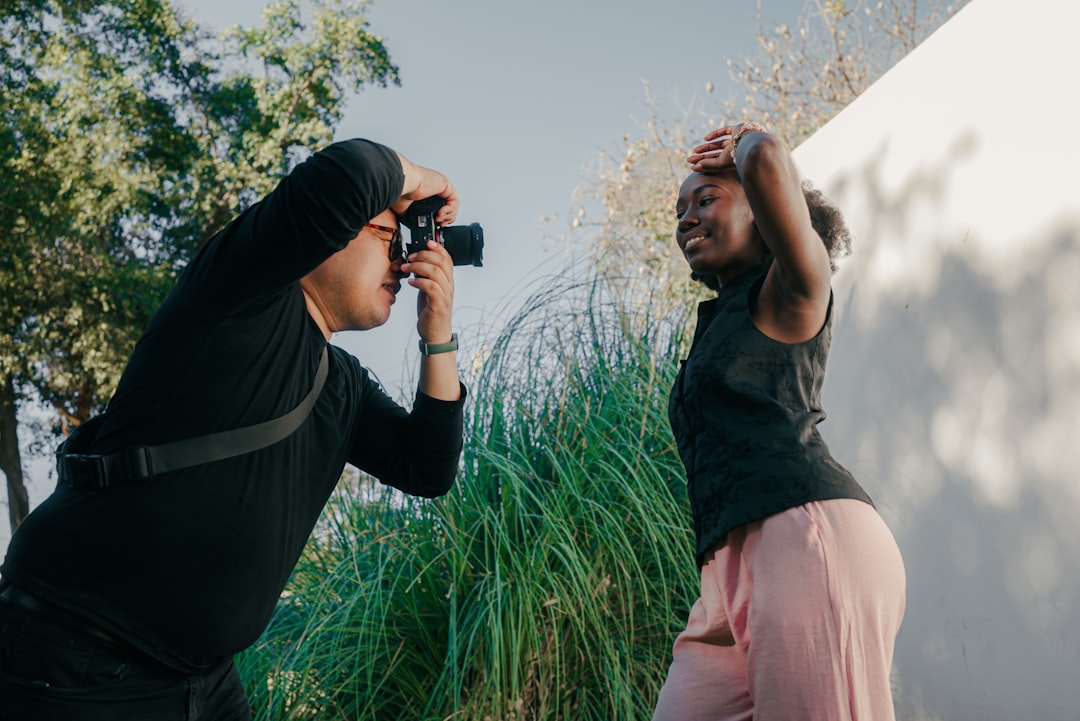
Step 4: Ask exactly this: ‘What do you see?’ That is the only question.
Step 5: Let them speak. Write down what they say. Do not defend. Do not explain.
Step 6: When they finish, say ‘Thank you.’ Do not debate their observations.
Step 7: Sit with what you heard for 24 hours before deciding what to change.
Step 8: Return to the work. Let their observations guide your next decisions.
Reflection Questions
1. You probably expected them to say you did something right or wrong. They said something else entirely. Notice what.
2. Most of us never ask honest questions because we fear honest answers. You just did something braver.
3. What observation surprised you? Why?
What We Were Trying to Do
You confuse evaluation with observation. Evaluation stops work. Observation opens it.
When someone judges your work, you defend. When someone describes what they see, you learn.
Why It Matters
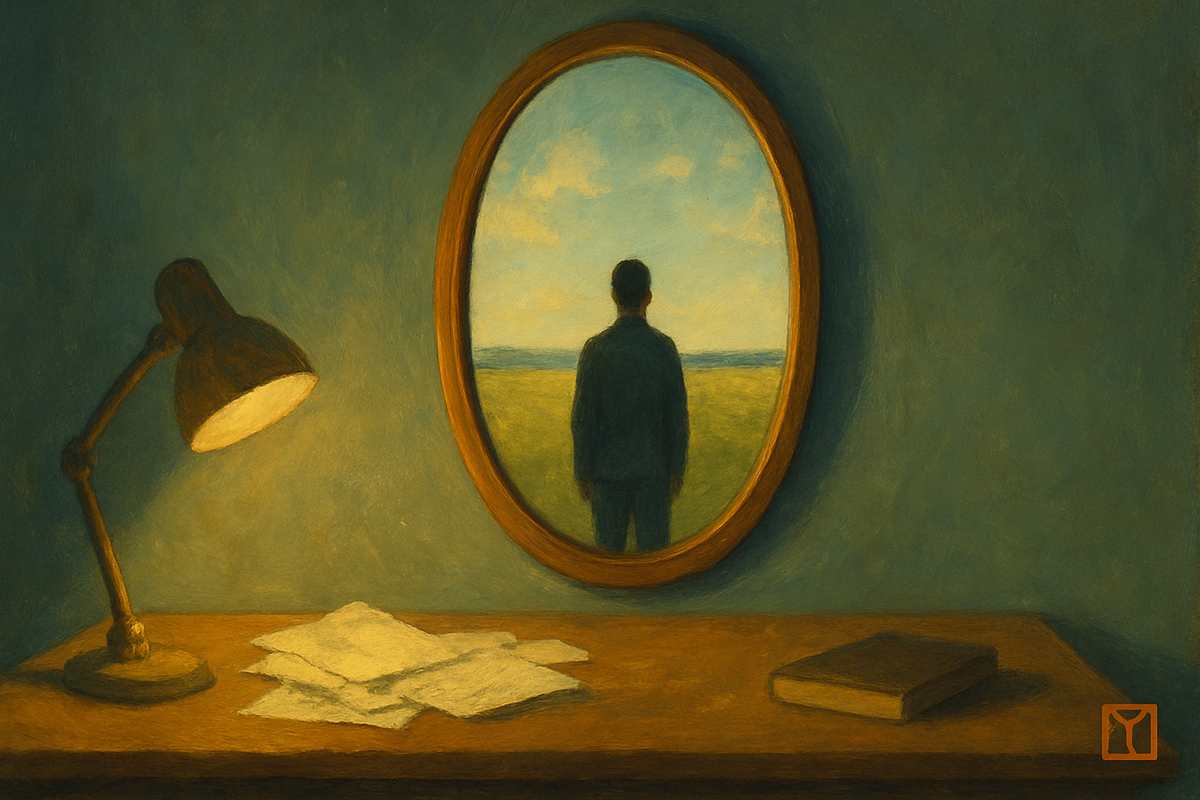
The mirror that only flatters is useless. The mirror that only criticizes is cruel. The mirror that describes what it sees is rare and valuable.
In real collaboration, you will need people who see what you cannot see about your own work. This exercise teaches you to receive sight from others. You learn to trust observation more than judgment.
References & Further Reading
Catmull, Ed. Creativity, Inc. Pixar. 2014. Chapter ‘Establishing Psychological Safety.’
Going Further
Variation: Have your observer answer two follow-up questions. ‘What part of this do you want to see more of?’ ‘What part is unclear?’
Advanced: Show the same work to three different people and collect their observations in writing. You will see patterns in what they see.
This exercise is from the Playing With Purpose Student Edition by Greg Williams. The complete series of 650 exercises across 10 books is planned for publication in summer 2026.
This is practice. Nobody will grade this.