The business was international. We had million-dollar orders coming in from CIFRA, from Walmart Mexico, and I was running full-speed into a heart attack, chasing the next car, the bigger house, private school for the kids, telling myself that this was what winning looked like. It wasn’t winning. It was what losing looked like, and I just didn’t know it yet. The business collapsed. C. filed for divorce. I lost the house in three months. I lost the business. I lost daily access to my children, which was worse than losing the house, and I moved into the back room of my parents’ house at thirty-eight years old.
We had million-dollar orders coming in from CIFRA, from Walmart Mexico, and I was running full-speed into a heart attack, chasing the next car, the bigger house, private school for the kids, telling myself that this was what winning looked like.
Greg Williams
Every job interview after that wanted me back in the same thing; they saw a guy who’d built a successful business and they wanted that guy to slam products down people’s throats again, to work the rejection, to push through the no’s and find the yes’s. The last thing I wanted was that rejection and pressure and the lie that you’re only worth something if you’re closing deals. That’s not honest. That’s not authentic. And I’d spent thirty-eight years being mostly authentic, or trying to be, and what had I gotten? So I said no to every one of those jobs, which meant I had no money and no direction and no idea where to turn.
You must be the change you wish to see in the world.
— Mahatma Gandhi
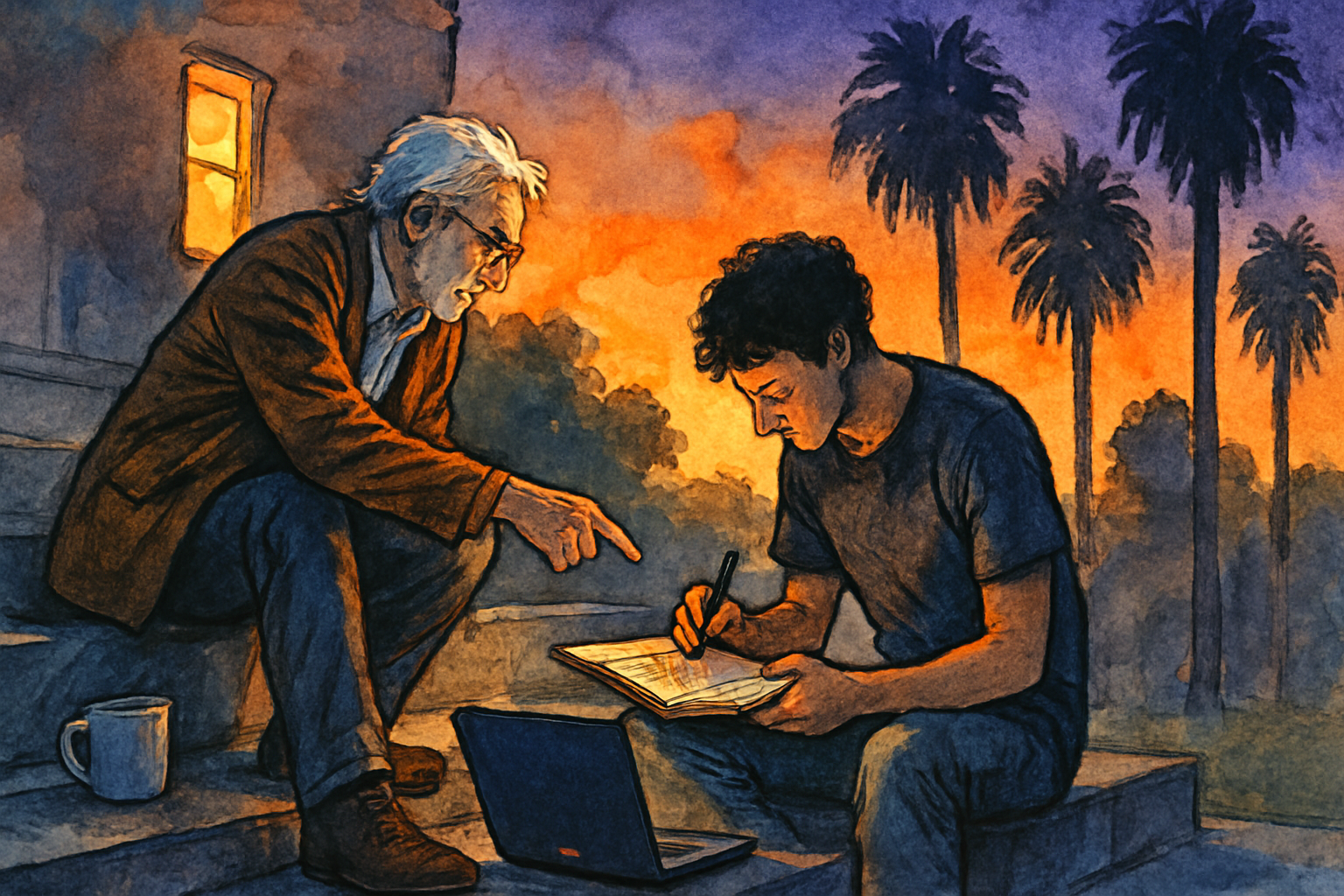
I was in a parking lot when Jennifer Baron bumped into me. I can’t even remember what parking lot it was, but that conversation led to web design work, which led to meeting the nighttime cleaning guy at a university, this guy who was studying IT while he cleaned desks, and that led to networking events, and one of those events was where AJ Chase asked me if I would do her a favor and teach a class. Introduction to Computers. I was thirty-nine and a half years old, unemployed, broke, living with my parents, and someone was asking me to teach something. I said I’d give it a try.
I was thirty-nine and a half years old, unemployed, broke, living with my parents, and someone was asking me to teach something.
Greg Williams
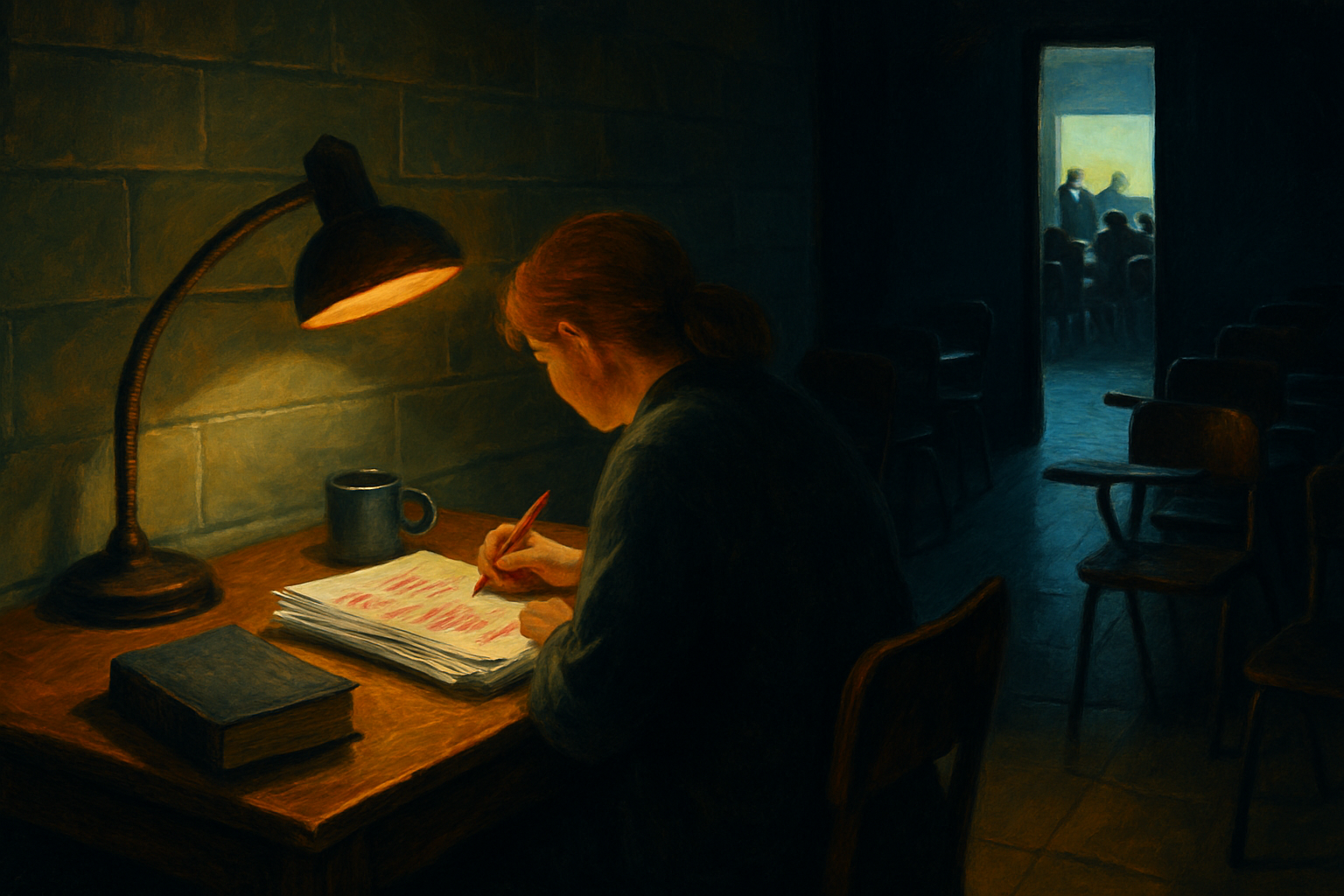
I’ve been teaching for twenty-five years now. That’s a quarter-century. And after twenty-five years of teaching, of working in design education and helping students see what they’re capable of, I’m just now making what I was making before the business fell apart in 1998 and 1999. I don’t say this with bitterness, but I want to be clear about it: the choice to be authentic instead of successful, the choice to help people instead of close deals, the choice to teach instead of sell, that choice cost me about 2.5 million dollars in direct income, plus the equity in a house I would have had and the retirement I would have built. That’s not small. That’s not something you just move past.
But here’s what happened instead. I met people who changed the way I see the world. I met teachers at Hargrave Military Academy who cared about the whole person, not just test scores. I met students who didn’t think they could, and then they could. I met photographers and designers and people who were trying to do something honest, and I got to help them see what was possible. C. and I have a different relationship now, not a marriage but a co-parenting relationship that actually works. My kids didn’t lose me to a prison sentence or a heart attack or a second marriage to someone who didn’t get them. I got to watch them grow up, and I got to be present for the things that mattered, even if I wasn’t there for the Christmas mornings or the regular school pickups.
The thing about losing everything is that it forces you to see what matters. And most of what matters costs nothing. It costs nothing to show up. It costs nothing to listen. It costs nothing to stay up until two in the morning talking to a student who’s struggling with an assignment because the assignment isn’t really what they’re struggling with. It costs nothing to remember someone’s name and their story and why they matter. I didn’t choose this life on purpose. I got pushed into it by a series of circumstances I couldn’t control. But once I was down there, once I was broken and broke and living in my parents’ spare room, I found out that the life you’re supposed to be living is often found in the ruins of the one you planned.
But once I was down there, once I was broken and broke and living in my parents’ spare room, I found out that the life you’re supposed to be living is often found in the ruins of the one you planned.
Greg Williams
If I’d gotten that next sales job, if I’d gone back to pushing products and chasing rejection and sleeping four hours a night, I would have made more money. I probably would have gotten it together in five or ten years instead of twenty-five. But I would have been the wrong person, doing the wrong thing, for the wrong reasons. And the kids would have had a dad who wasn’t present except for the things money could buy. Instead, I had a dad who showed up, who listened, who remembered, and who learned along the way that being broke and authentic is worth more than being successful and empty.
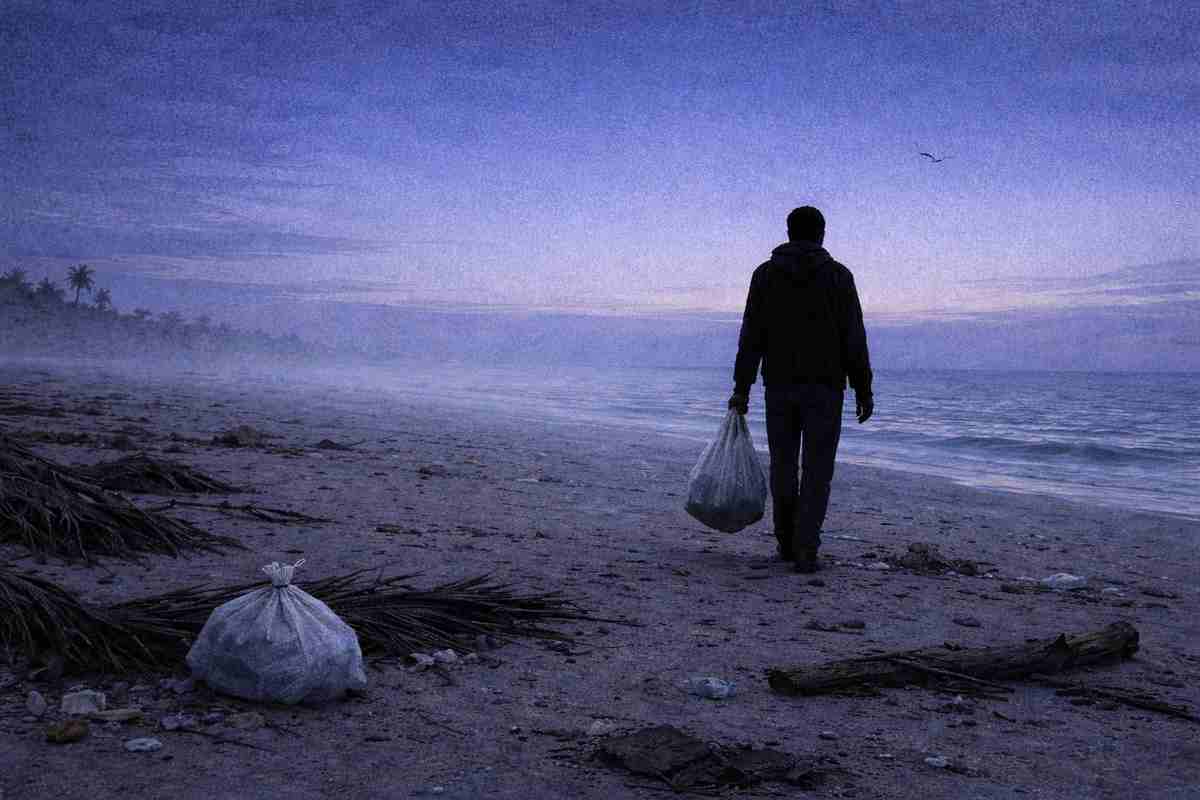
So when people ask me how I made the transition, how I went from high-pressure sales to teaching, how I survived the collapse, the answer is simple: I didn’t survive it, not at first. I just picked up trash on a beach and walked two miles every morning and met people and said yes to the first person who asked me to teach something. And then I did it again the next year, and the next year after that. Twenty-five years is a long time to keep saying yes to something nobody’s paying you much for, but once you realize that’s not why you’re doing it, once you understand that the point is the work itself and the people you’re helping, not the amount in your bank account, the rest of it becomes possible. You’re not waiting for permission anymore. You’re not waiting for the right moment or the right amount of money or the right circumstances. You’re just doing the thing that’s in front of you, and you’re doing it as honestly as you know how, and you’re trusting that if you do it long enough and well enough, it will matter.
For Further Reading
Posts that connect to the themes explored here.
- More from Greg Williams — Additional posts on design, creativity, and teaching.