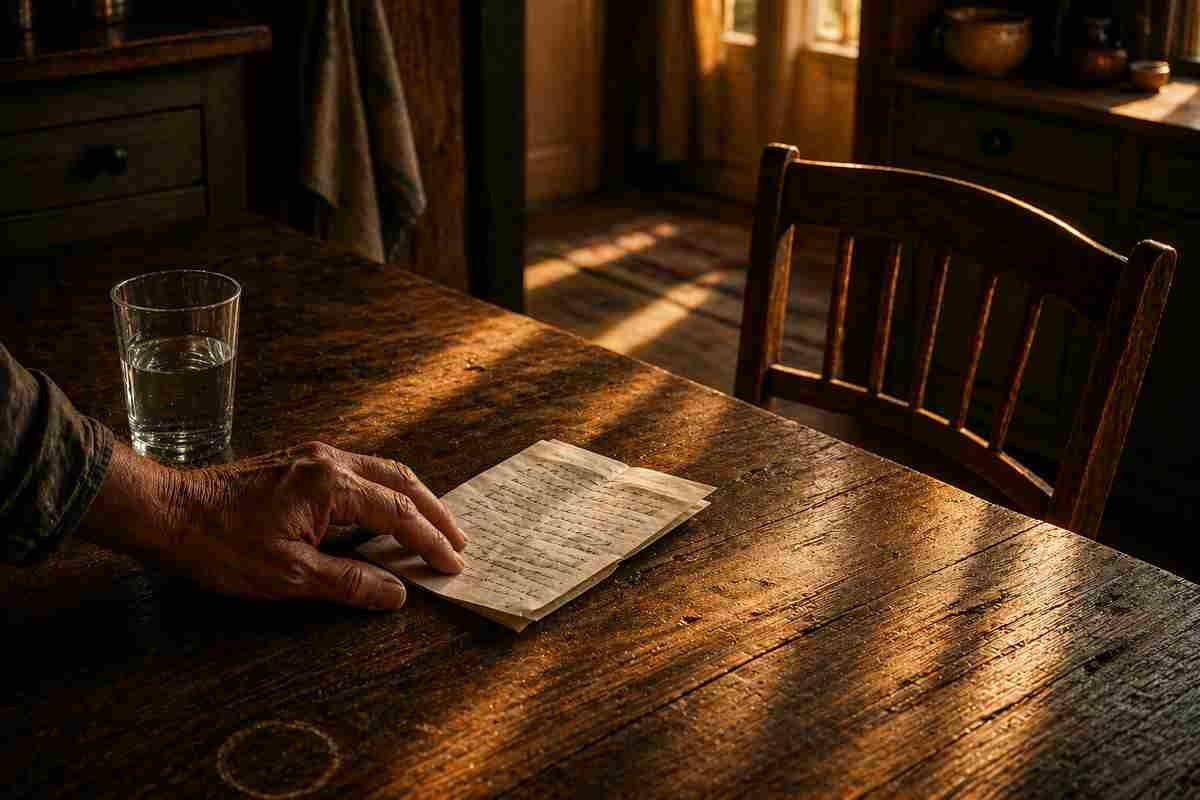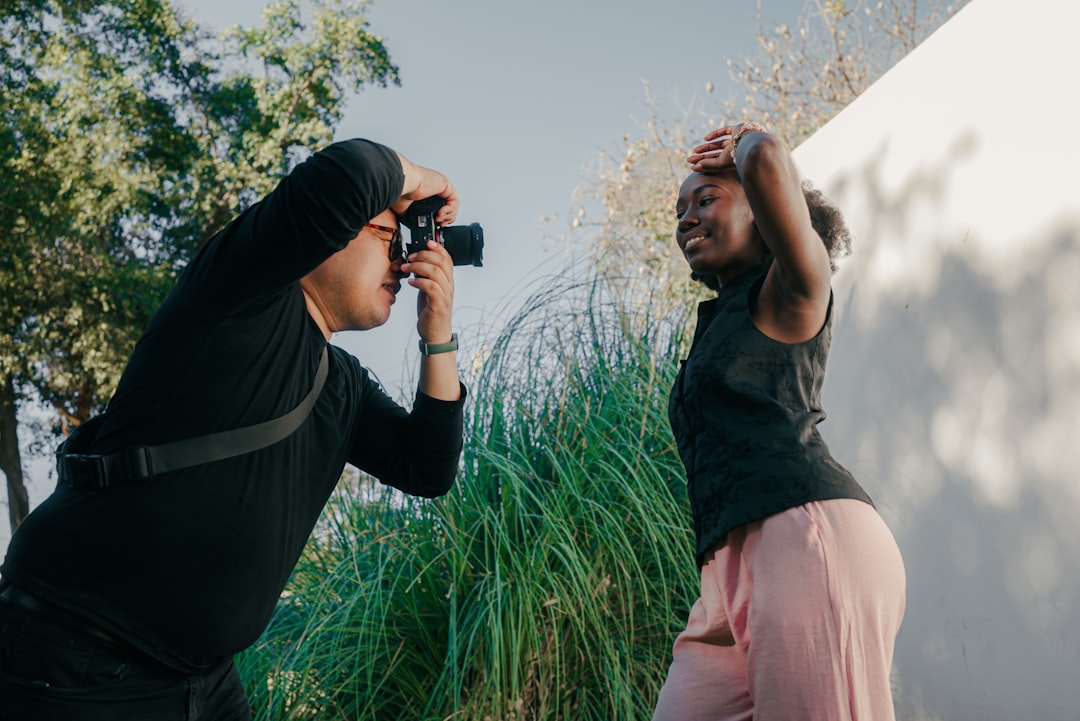
Around ninth grade something changed in the way I looked at the world. I got a camera, which was just a camera, nothing special, but the act of framing something, of deciding what mattered in a scene and what didn’t, changed the way my eyes worked. I stopped being a person who took pictures and I started being a person who looked at light. I could spend ten minutes on a single drop of water on a leaf, watching the way the sun refracted through it, following the color shifts, watching how the angle changed the whole thing. Not studying it. Not photographing it, necessarily. Just seeing it. That was a new thing. My eyes became camera lenses, and that shift never stopped. I’ve been seeing that way for half a century now, and it’s the most useful skill I’ve ever developed.
A camera doesn’t teach you to take pictures. Any tool will teach you mechanics if you let it. What a camera teaches you is to look before you frame. To ask yourself what you’re actually seeing versus what you’re expecting to see. To understand that every photograph is a decision about what matters in a scene. That every frame is an argument about what’s important and what isn’t. When you practice that decision-making ten thousand times, when you spend that much time looking before you shoot, it becomes a way of moving through the world. It becomes the way you think.
The people who change things are usually the people who see something that nobody else is noticing yet. They look at a problem and they see it differently because they’ve trained their eyes to see differently. They paid attention when other people were just walking through. They stopped. They studied. They asked questions. They looked again. That’s what seeing is. It’s not mystical. It’s not something you’re born with. It’s something you develop through practice, through discipline, through saying I’m going to stop right here and I’m going to actually look at this until I understand it.
Typography is what language looks like.
— Ellen Lupton
In the first week of my class I have students go to a space they’ve been in a hundred times and find something they’ve never noticed before. Just one thing. They come back frustrated because they realize they haven’t actually been looking. They’ve been moving through that space on autopilot, seeing the general shape of it, the familiar feeling of it, but not actually seeing it. The ceiling they’ve never looked at. The pattern in the floor tiles. The way light falls in one corner at different times of the day. The architectural details that only show up if you actually stop and study the walls instead of just walking past them.
One student said it made her feel like she’d been sleepwalking through her own life. That’s what not-seeing does. It makes you sleepwalk. You get home and you don’t remember the drive. You walk past the same building a thousand times and you’ve never actually looked at it. You spend decades with someone and you never really see their face. You’re here, but you’re not present. You’re looking, but you’re not seeing. And the moment you change that, the moment you actually train your attention, everything gets richer and more interesting and more complex, and you realize how much you’ve been missing.
And the moment you change that, the moment you actually train your attention, everything gets richer and more interesting and more complex, and you realize how much you’ve been missing.
Greg Williams
The reason this matters for design is obvious. You can’t make good decisions about how to arrange something if you haven’t actually looked at what it looks like or what it does or how it makes people feel. You can’t write good copy if you haven’t paid attention to the way language actually works on people, what words trigger, what phrases feel true and what phrases feel like someone’s trying to sell you something. You can’t build systems that work if you haven’t actually watched the people using them and seen where they get stuck. You have to see.
But the reason it matters more broadly, the reason it matters for everything, is that most problems exist because nobody’s actually looking at them. We solve the wrong problem because we didn’t look closely enough at the actual problem. We make bad decisions because we didn’t see the impact of our choices on real people. We hurt people because we weren’t paying attention to their experience. We miss opportunities because we weren’t looking for them. The world works the way it works because most of us are sleepwalking through it, and the people who actually change things are the people who stopped and started looking.
So how do you learn to see? You start by stopping. You go somewhere familiar and you actually look at it. Not the general shape. Not the feeling. The actual details. The pattern of the tiles. The color of the light. The way the people move through the space. You sit with something and you give it your full attention. You ask why is it this way and not another way. You notice what you notice. You do it again tomorrow. You do it in different light. You look at something for a minute, then close your eyes and try to remember the details, then open them and see what you forgot. You train your attention like you’d train a muscle.
And the thing that happens, the thing that’s almost magical but is actually just seeing clearly, is that your whole life gets more interesting.
Greg Williams
And the thing that happens, the thing that’s almost magical but is actually just seeing clearly, is that your whole life gets more interesting. Color matters. Light matters. Composition matters. The way someone’s posture tells a story matters. The way a building makes you feel matters. None of this is new. It’s all been there. It’s just that you weren’t seeing it. So you start seeing, and the world gets bigger, and you become the kind of person who notices things, and once you’re that person, you can’t stop noticing, and once you can’t stop noticing, you can’t stop trying to make things better. That’s what learning to see actually does. It makes you unable to unsee what’s broken, and that’s when you start building toward something better.
For Further Reading
Posts that connect to the themes explored here.
- More from Greg Williams — Additional posts on design, creativity, and teaching.