They called it manic-depressive when I was diagnosed in my mid-twenties, before the language changed to bipolar and the understanding shifted from something broken to something chemical, and I remember sitting in that office thinking, okay, so this thing I’ve been living with has a name, and having a name for it should have felt like a relief but mostly it felt like a label, like someone had taken everything complicated and unpredictable about my internal life and stamped it with a clinical term that was supposed to explain everything and explained almost nothing.
The depressive states lasted anywhere from six months to twenty-four months. And when I say depressive I don’t mean sad, I don’t mean blue, I mean the kind of heaviness where getting through a single day requires the kind of effort that most people spend on a whole week. Suicidal thoughts showed up regularly during those periods, not acted on, never acted on, but always present, like a radio playing in a room you can’t leave. Just getting out of bed was work. Smiling at people was work. Brushing your teeth, paying a bill, returning a phone call, all of it required a level of effort that was completely invisible to everyone around you because the mask stayed on. My father’s generation said take a pill and get back to work, and so that’s what I did, and the mask stayed on, and it cost me relationships and friendships and jobs and my health, all of it sacrificed to keep up the appearance that everything was fine.
And then the manics would come, and God, I love the manics. Ideas generating faster than I could write them down, projects launching, can’t wait to get going in the morning, a hundred projects and a thousand ideas and the energy to pursue all of them simultaneously. Everything was possible during the manics. Everything was exciting. The world was a place full of things to build and problems to solve and connections to make, and I learned to recognize the ramp-up and ride it as long as possible, squeezing every productive day out of the cycle, knowing the crash would come but refusing to waste the good part worrying about it.
Medication mellowed everything. They put me on something and it mostly eliminated the downside, which sounds great until you realize it also killed the upside. Walking around in a haze, functional but flat, like someone had turned the color saturation all the way down on my life. After my first marriage fell apart I medicated regularly and people called me “Mr. Smiley” because the constant pleasant demeanor was apparently unsettling in its consistency. The first pill I ever took, I spent four hours staring at a screensaver. Four hours. That’s not treatment. That’s chemical imprisonment.
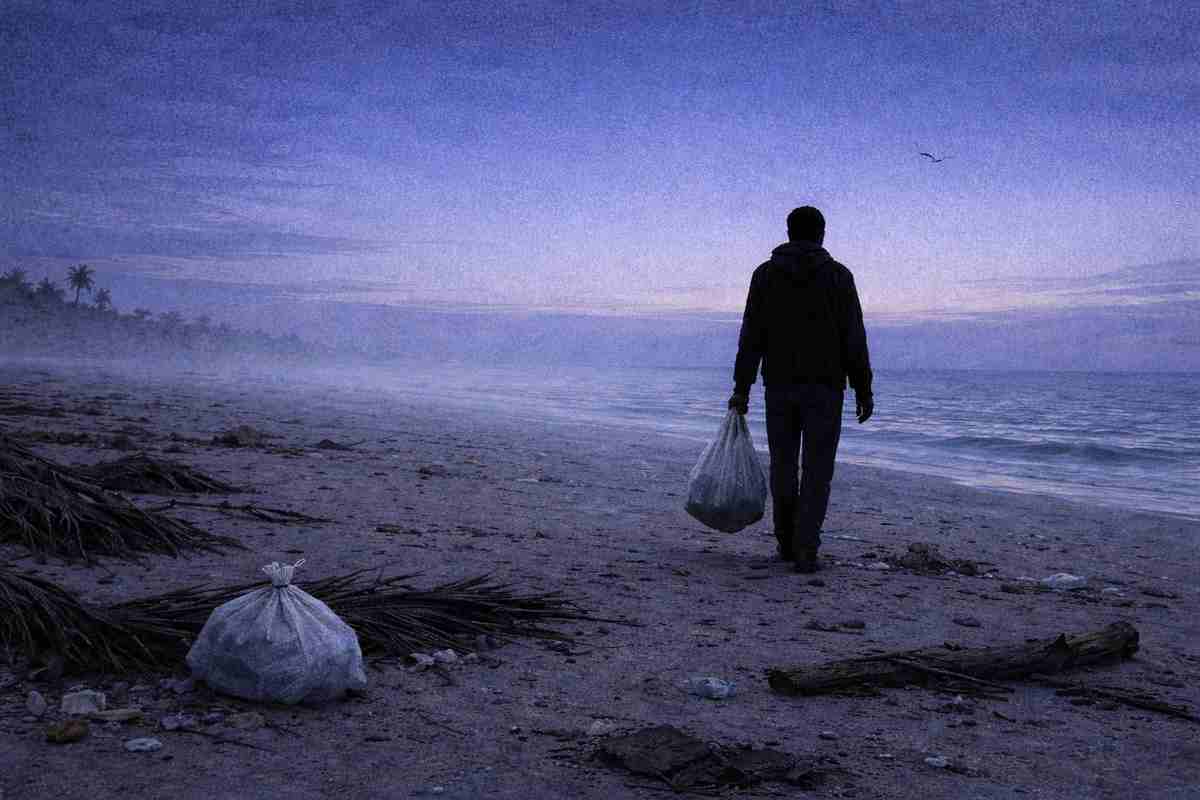
I haven’t medicated in at least ten years. Instead I manage through physical activity, self-awareness, and acceptance. The treadmill routine that I started in late 2025 was partly motivated by recognizing I was deep in a downward spiral after a big creative push the previous spring. I could feel it coming. I’d been here before enough times to read the signs. And instead of reaching for a prescription, I reached for my running shoes, and I started walking, and the walking became the thing that carried me through the low period into something functional and eventually into something genuinely productive.
You know, the hardest thing about living with this isn’t the cycles themselves. It’s the way other people respond when you tell them about it. Some people get uncomfortable. Some people get sympathetic in a way that feels like pity. Some people try to fix it, as if a disorder that’s been running since your mid-twenties just needs the right advice from someone who read an article once. And so you learn to be selective about who you tell, and you carry it quietly, and the mask goes back on, not because you’re ashamed but because explaining is exhausting and most people don’t have the framework to understand what you’re describing.
I’m telling you about it here because I think the silence costs more than the vulnerability. If you’re riding the same wave, in whatever form it takes for you, I want you to know that it’s chemical. It’s permanent. It’s not something you did wrong and it’s not something you can think your way out of. But it’s manageable, and the management doesn’t have to come from a bottle. It can come from movement and awareness and the willingness to say, this is happening, I recognize it, and I know what to do. That’s not a cure. It’s a relationship with the thing. And sometimes that’s enough.