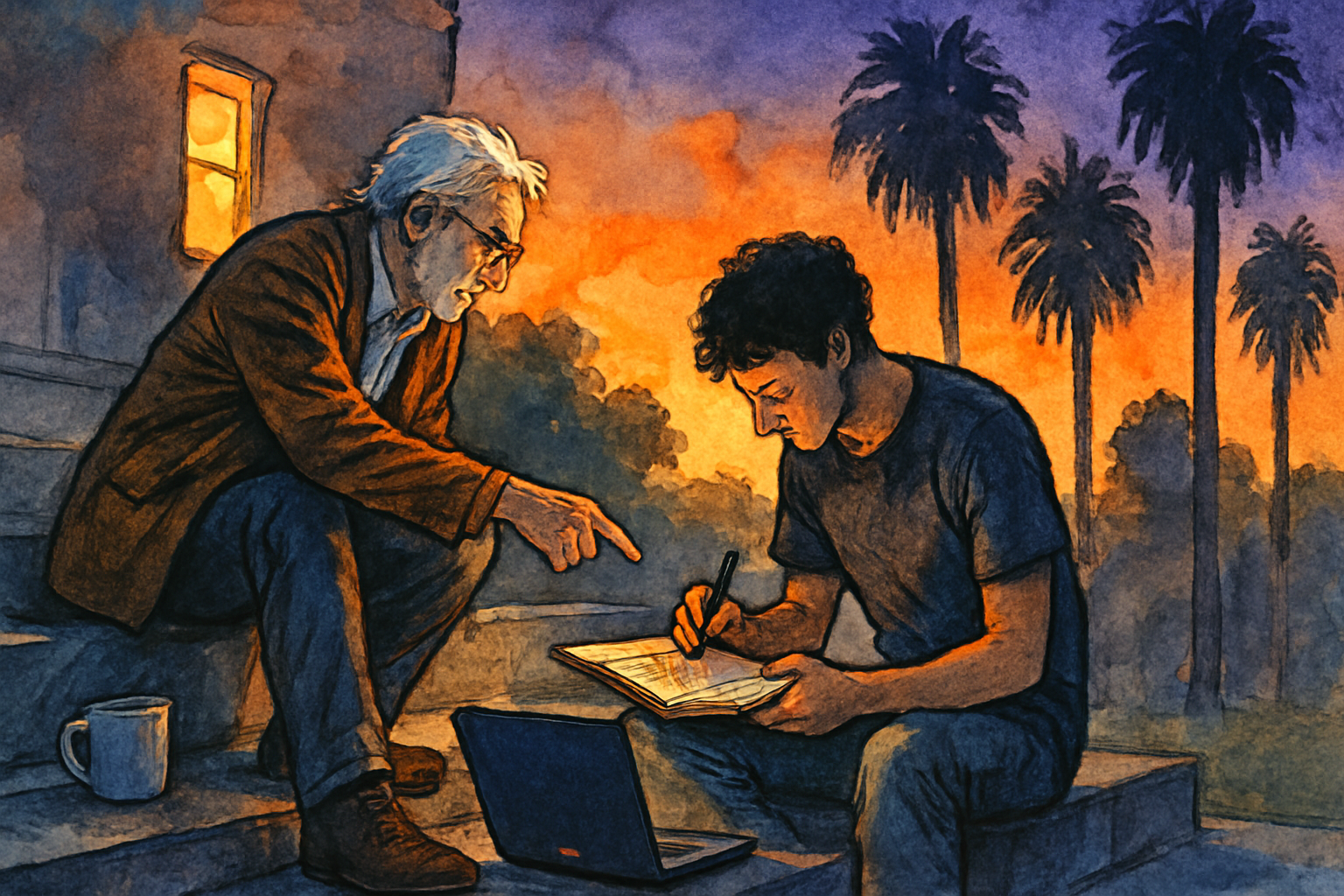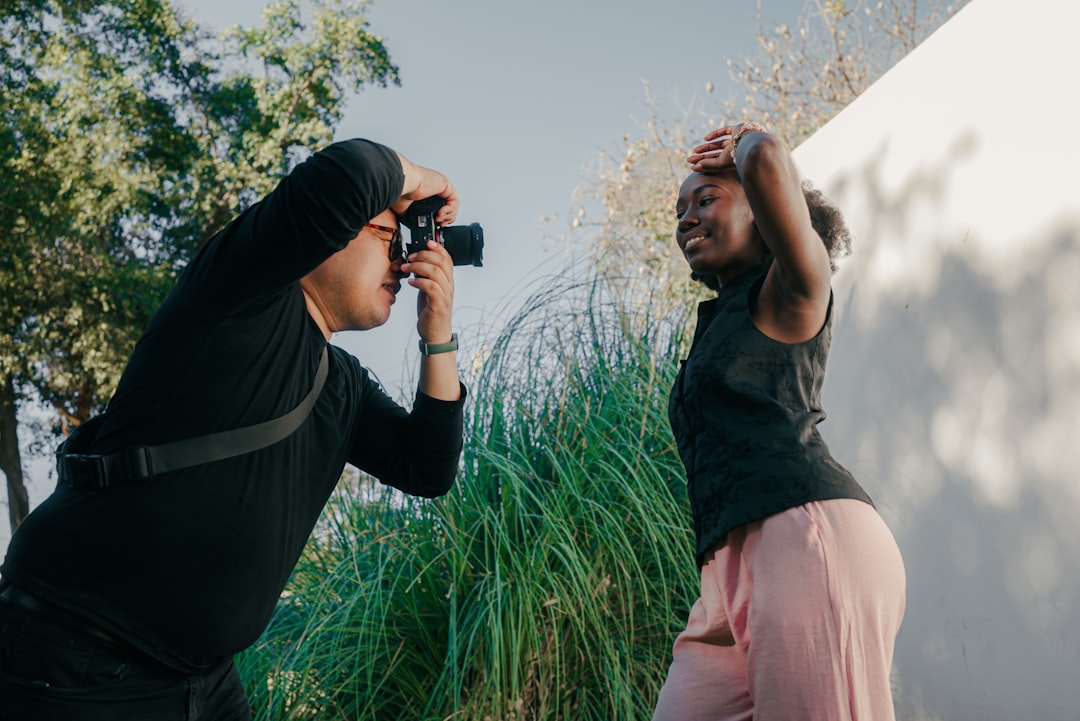
Looking at the research data, there was a spike that didn’t make sense at first. After 400 exercises had been processed, after we’d accumulated operational principles from Permission, Curiosity, Habit, Resistance, and Skill, we got to Book Seven. Collaboration. Exercises 451 through 500. Instead of diminishing returns, the new-principle discovery rate jumped to zero point six. Sixty percent of those fifty exercises introduced principles we’d never encountered. Thirty entirely new operational principles in fifty exercises. The conventional expectation was saturation at 400. That expectation was completely wrong.
The reason tells you something crucial about how creative development actually works. The first 400 exercises had established foundational capacity: how to start, how to find voice, how to build sustainable practice, how to work with resistance, how to develop skill. But they had never addressed what happens when you create with other people. Collaboration isn’t just individual creativity in pairs or groups. It’s an entirely different problem space. You have psychological safety architecture. You make meaning together in real time, completely different from alone. You hold your own work while genuinely listening to someone else’s. You disagree productively with people you care about. You create shared language for discoveries in real time. All of that is new cognitive and emotional territory. None of it appears before collaboration opens up at exercise 400.
The curriculum wasn’t adding capacity linearly. It was unfolding in layers. Individual creative mechanics first, exercises 1 through 42: how to start, how to get out of your way, how to follow your hand instead of your plan. Permission, Curiosity, Habit. That’s eight percent of total exercises and establishes thirty of the final 129 principles. Twenty-three percent of the entire principle architecture in just eight percent of the exercises. Those are foundational permissions that everything else builds on. Permission to start. Permission to be curious. Permission to build rhythm and trust in your own practice. Then the embodied-temporal layer. Body and space, creative longevity, sustainable practice. That’s when attention to how you’re physically moving through the work starts becoming explicit. You’re learning to attend to your body’s wisdom. Creativity is a practice, not a sprint.
Then interpersonal and vulnerability-based capacities start at exercise 400. Collaboration first, risk at 550. These domains don’t appear earlier because you can’t get there without scaffolding. If you try to collaborate before you can generate without judging, you’ll just generate group judgment instead of group creativity. If you try to be vulnerable before you’ve built enough skill, vulnerability becomes confession instead of offering. If you try to take creative risk before establishing permission to fail, you’ll just be terrified. The domains are in order because there’s an actual developmental sequence. Some knowledge is just late-stage. You can’t access it until you’ve built the foundation.
I’m accustomed to thinking about curriculum as topics added in logical order. Design students learn color theory, then typography, then layout. But that’s not what happened with these 650 exercises. It was a developmental progression. You have to become a certain kind of person before accessing certain knowledge. You have to build enough permission architecture that your nervous system can handle what you’re about to learn. If you try Book Seven before Books 1 through 6, you won’t get the principle extraction the data shows.
Book Seven contains the architecture of group creativity. How to set up containers allowing multiple people to think out loud. How to build trust that makes disagreement productive. How to hold your thinking while curious about others. How to make something genuinely new, not just consensus. All of this appears first at exercise 400, after 400 exercises building individual capacity. The curriculum is saying: you cannot do this until you’ve done that. Build yourself first. Build permission to generate, observe, and make meaning. Build understanding that your voice matters. Then collaboration becomes generative instead of compromised.
After Collaboration at 451, Book Eight is Risk. Exercises 501 through 550. Vulnerability gets mapped explicitly. What does it mean to risk being wrong? Show unpolished work? Pursue something you believe in even though it might fail? Create from longing instead of certainty? This doesn’t appear until after building collaboration capacity. If you’re risking vulnerability without authentic collaboration, you’re just exposed in a room of people who can’t see you. The vulnerability becomes traumatic. But if you can collaborate, if you can hold your thinking while listening to others, if you can disagree and still trust, then vulnerability becomes an offering. It becomes what makes your work true.
The domain emergence pattern teaches something important about creative development. There are things you cannot learn until you’ve built the scaffolding beneath them. You can’t understand honesty in creative work until you’ve built permission to recognize dishonesty. You can’t understand group creativity until you’ve built enough individual capacity to bring something real to the group. You can’t understand vulnerability until you’ve built collaboration that lets vulnerability be received by people who understand you. Some creative knowledge is just late-stage. It arrives when it arrives because you become a different kind of person to access it.
This is important if you’ve been practicing for years and feel like you’re plateauing. You might not need more of what you’ve been doing. You might need the domain you haven’t touched yet. If you’re excellent at individual technique but your work feels isolated, you might need collaboration. If you can collaborate but your work feels polished but false, you might need risk and vulnerability. If you can do all that but your work doesn’t feel part of something larger, you might need creative lineage. The plateau might be an invitation to the next phase. The 450th exercise was where Book Seven opened up and thirty new principles became possible. For you, that might be your 451st moment. It might be when you know enough to offer it to others. It might be when you’re ready to risk honestly. It might be when you understand your creative lineage matters. That moment, when the domain opens up and everything you’ve practiced starts serving something new, that’s when you’ll know you’ve arrived at the right phase.
For Further Reading
Explore these resources for deeper context on the ideas in this post.
- Introduction to Essential Ideation Techniques (IxDF) — Core ideation techniques and exercises
- What Is Creativity? (IxDF) — Creativity development and creative thinking