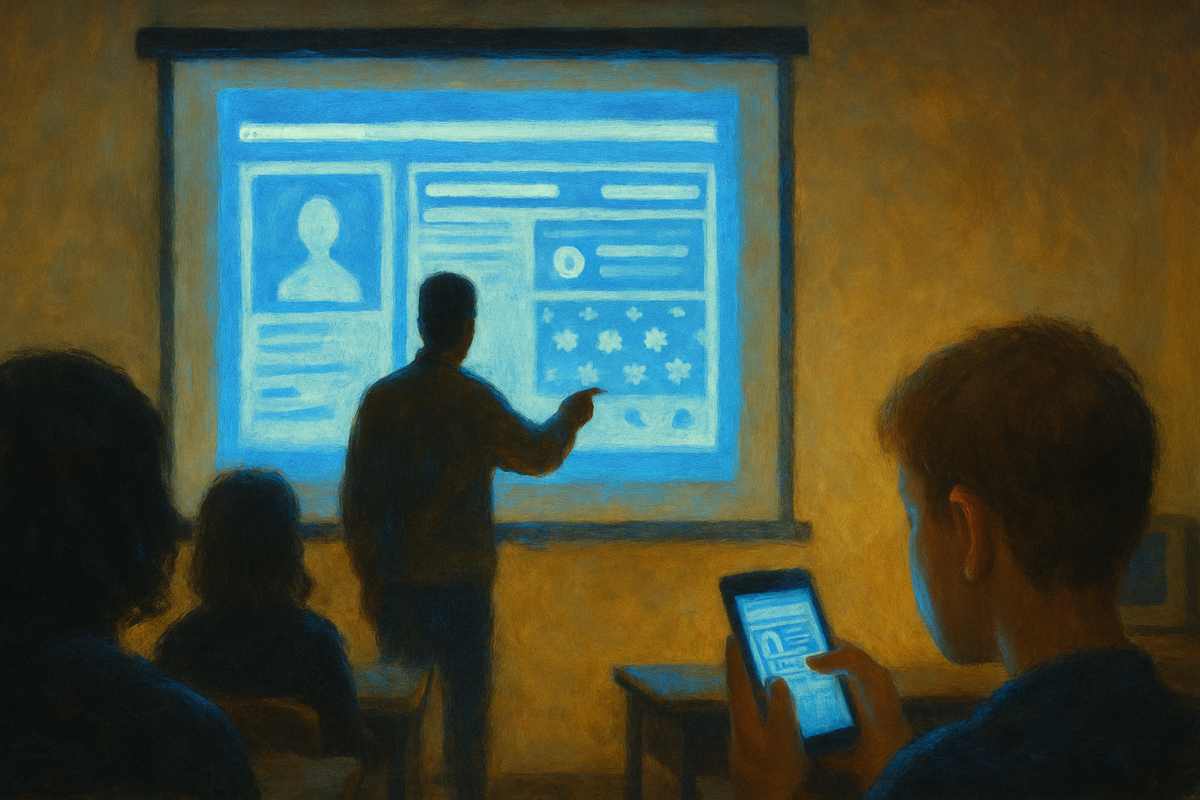
This was 2003, maybe 2004, and I’m dating myself here but that’s fine because this story only works if you remember what MySpace was, which was basically the Wild West of the internet before anyone had established rules about what you should and shouldn’t put on a public profile, and my students were spending hours customizing their pages, changing backgrounds, adding music players, rearranging layouts, all of it driven by CSS that they were copying and pasting from tutorial sites without understanding a word of what they were actually doing. And I looked at that and thought, you know what, this is a classroom. They just don’t know it yet.
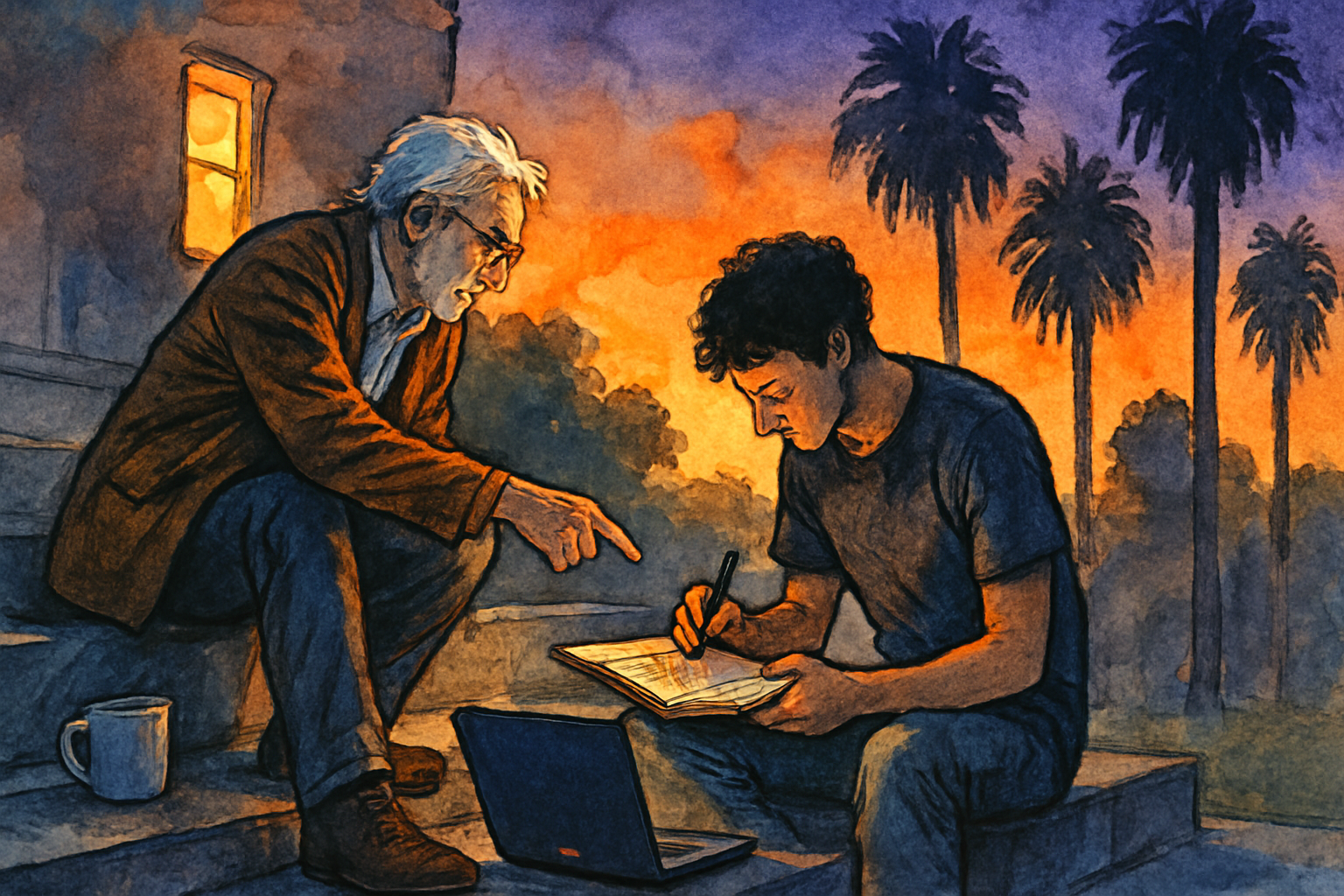
So I started using MySpace as a live CSS teaching lab. Here’s what this code does. Here’s why changing this number moves that element. Here’s how the cascade works, and yes it’s called cascading style sheets for a reason, and that reason matters. And they were engaged in a way they never were when I was teaching the same concepts through traditional exercises, because the stakes were personal. This wasn’t a homework assignment they’d hand in and forget about. This was their page. Their identity. Their presentation to their friends. And suddenly CSS wasn’t abstract syntax, it was the tool that made their online self look the way they wanted it to look, and you have never seen students learn faster than when the material connects directly to something they care about.
And then, about a year into this, I flipped the whole thing around. I pulled up a student’s MySpace page in class, with their permission of course, and I said, I found this in about thirty seconds. Your name, your school, your photo, your friends, your weekend plans, and four pictures from a party that your grandmother probably shouldn’t see. And the room got very quiet. Because none of them had thought about it that way. They’d been building these pages for their friends, for people who already knew them, but the internet doesn’t work like that. The internet is public. And if I found this, your employer can too.
This was before anyone called it social media literacy, before there were courses about digital footprints, before LinkedIn existed as a thing you were supposed to have. I was teaching responsible social media use in 2004 because the technology was ahead of the conversation, and my students were out there building profiles that could follow them for years, and nobody else was telling them to think about that. Not because other teachers didn’t care, but because most of them weren’t on MySpace themselves and didn’t understand what was happening.
And you know, years later, I watched some of those students lose job opportunities because of things they’d posted. Good designers, talented people, who couldn’t disconnect their professional identity from their personal one because they’d never been taught that the line existed. And that haunted me, because I’d tried to teach it, but I couldn’t reach all of them, and the ones I missed paid for it in ways that had nothing to do with their actual skill or their actual character.
The lesson from all of that, the thing I keep coming back to, isn’t really about MySpace or CSS or social media policies. It’s about meeting students where they already are. They were already on MySpace. They were already writing CSS, even if they didn’t know it. They were already creating public identities, even if they hadn’t thought about what that meant. And the best teaching I’ve ever done has always started from that same place, not from where the curriculum says they should be, but from where they actually are, using the tools they’re already using, talking about the things they already care about, and then helping them see what they couldn’t see on their own.
Keep Reading
- Nobody Gets There the Way They Planned
- Okay, So I Have Some Explaining to Do
- It Just Doesn’t Matter
- What It Looks Like When a Teacher Actually Sees You
Go deeper: Creativity in the Classroom · All Primers