Exercise 9 of 20 from the Playing With Purpose Student Edition
From Book 5: The Craft (Exercises in Mastery)
The Parable
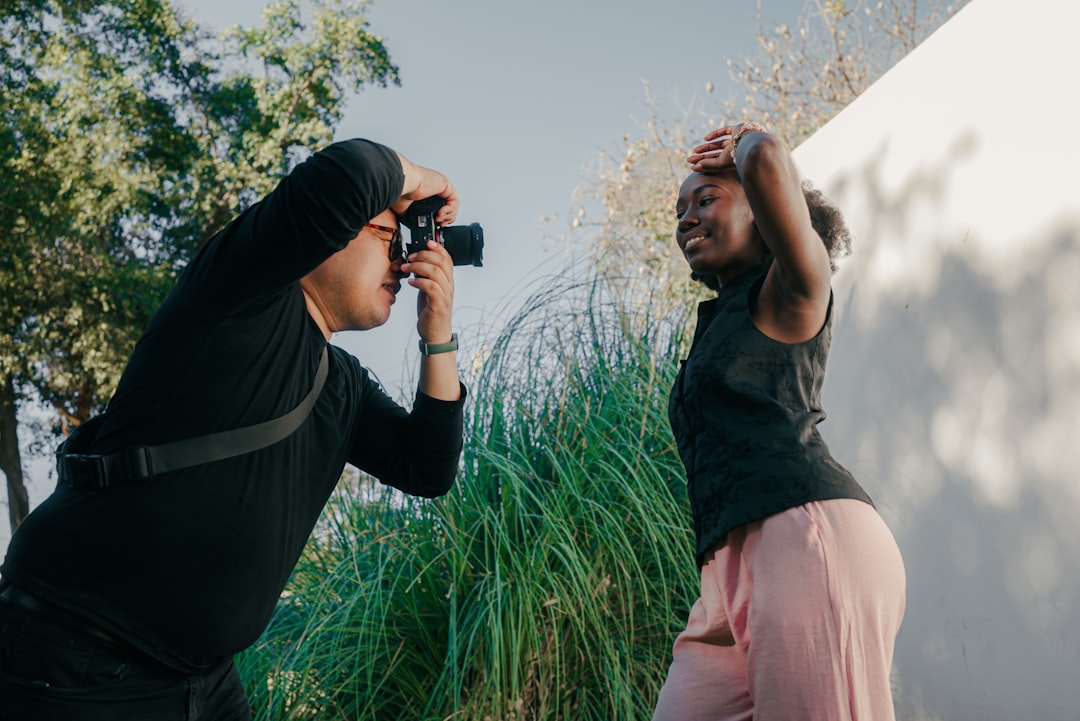
A photographer was asked to take a portrait of the same person in three completely different styles. One portrait formal and classical. One portrait loose and modern. One portrait experimental and deconstructed. The same person. The same face. Three completely different photographs. When she showed them, people gasped. It wasn’t that one was better. It was that seeing three versions made it possible to understand what each version was actually choosing to emphasize. In the formal portrait, they noticed the strength in the face. In the modern one, they noticed the vulnerability. In the experimental one, they noticed the strangeness. The same person looked like three different people. The photographer realized: the version is not the person. The version is the decision about who to show.
Mastery is partly knowing what you want. Mastery is also knowing what you are excluding when you make that choice. Three versions reveal both.
The Exercise
Choose content that needs a version. A story you want to tell, an idea you want to explain, a problem you want to solve, a message you want to send. Something with actual content that matters.
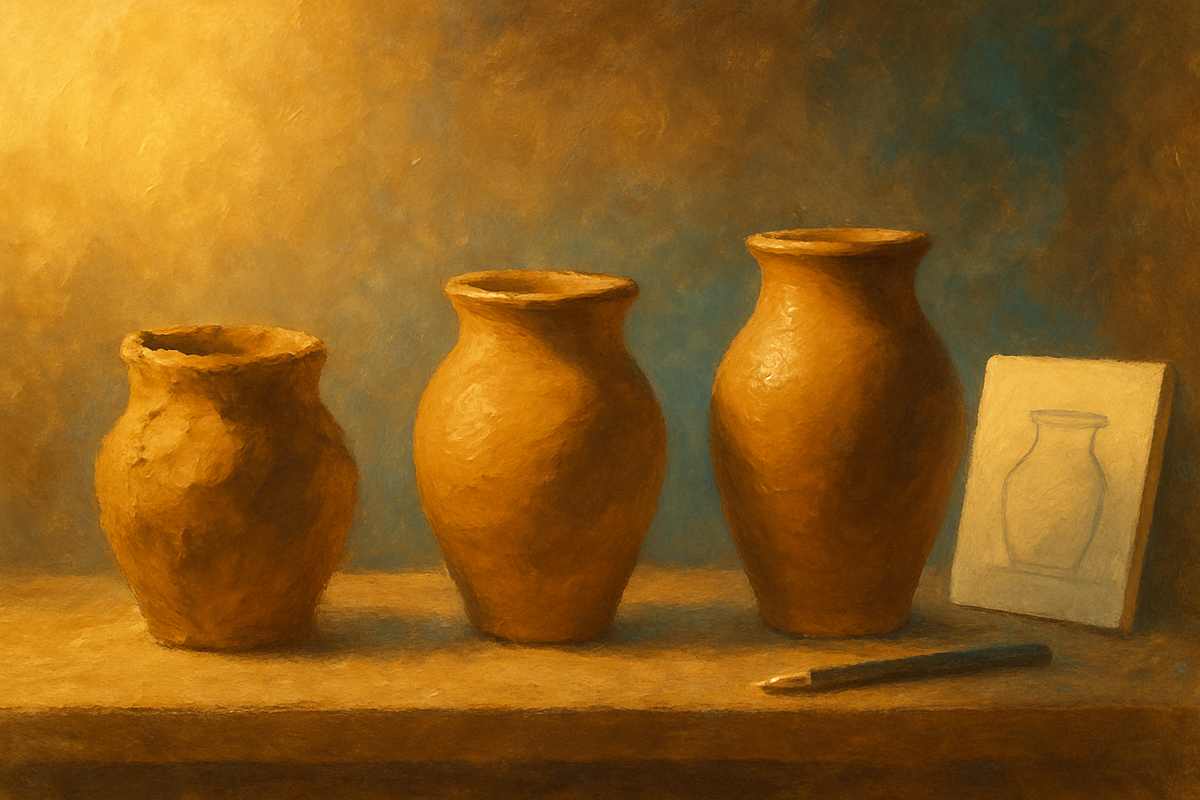
Make three completely different versions. Same content. Same purpose. Three different executions. If it is writing, write it three ways. Once as a paragraph. Once as a list. Once as a parable. If it is a design, design it three ways. Once minimal. Once complex. Once unusual. If it is a presentation, present it three ways. Once to convince. Once to teach. Once to inspire. Think about purpose and form, not just style.
Put all three versions side by side. Do not judge them yet. Just look. What does each version emphasize? What does each version hide? What does each version assume about the person receiving it?
Reflection Questions
1. Which version feels most natural to you? Why do you think you prefer that approach?
2. Which version is strongest? Not the one you like most. The one that actually works best. Why is it stronger?
3. If you had to choose one version forever, which would it be? What would you lose by making that choice?
What We Were Trying to Do
You believe there is one right way to say something or make something. There is not. There are infinite right ways. But you can only choose one. When you make three versions, you discover that the version you naturally choose is not inevitable. It is your habit. Your preference. Your limitation. Seeing alternatives loosens your grip on assumptions.
This exercise also teaches you that every choice excludes something. You cannot be minimal and comprehensive. You cannot be playful and serious. You cannot be dense and accessible. You can be some of these things. But not all. By making three versions, you see explicitly what you are trading away.
Why It Matters
In real work, you will have to make versions. Draft one and then revision and then final version. But those revisions usually happen to the same approach. This exercise teaches you to change approach entirely. That flexibility will make you a better editor of your own work. You will see options instead of feeling stuck with your first idea.
This practice also teaches you something about your audience. Different versions work for different people. The version that feels obvious to you might not be obvious to someone else. By making three versions, you train yourself to think about your audience explicitly instead of assuming they see what you see.
References & Further Reading
(Catmull, Ed. Creativity, Inc. Overcoming the Unseen Forces That Stand in the Way of True Innovation. Random House, 2014, Chapter 3) Catmull describes Pixar’s rigorous practice of making three completely different story versions and testing all three with audiences. The version that succeeds is often not the one the filmmakers preferred. This practice of multiple versions removes creative blindness and reveals what actually works.
Going Further
Keep a collection of three-version explorations. After you complete five or six, look back. Notice which types of versions you are choosing. Are you always doing minimal, complex, and unusual? Are you always doing fast, medium, and careful? That pattern is your creative signature. Understand it.
Try this with a partner. Each of you makes three versions independently. Then compare. You will discover completely different approaches to the same content. That’s good. It teaches you that there are more options than you imagined.
This exercise is from the Playing With Purpose Student Edition by Greg Williams. The complete series of 650 exercises across 10 books is planned for publication in summer 2026.
This is practice. Nobody will grade this.