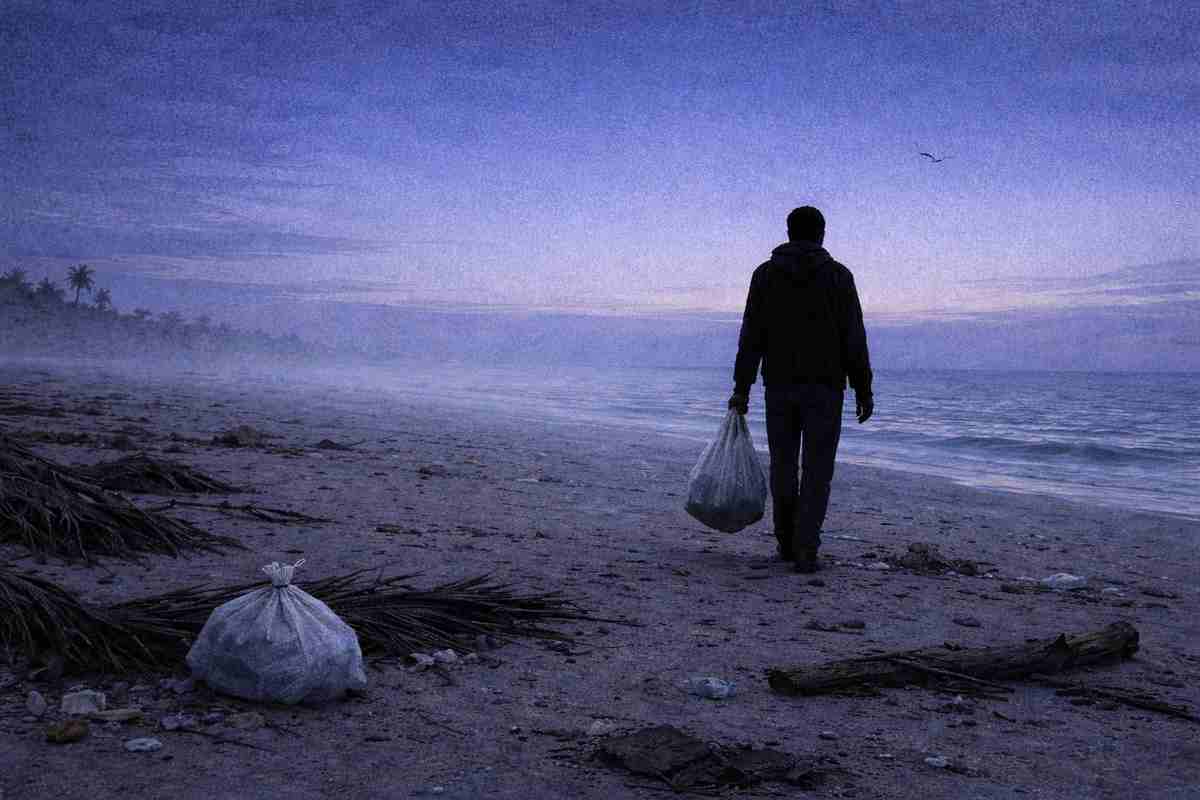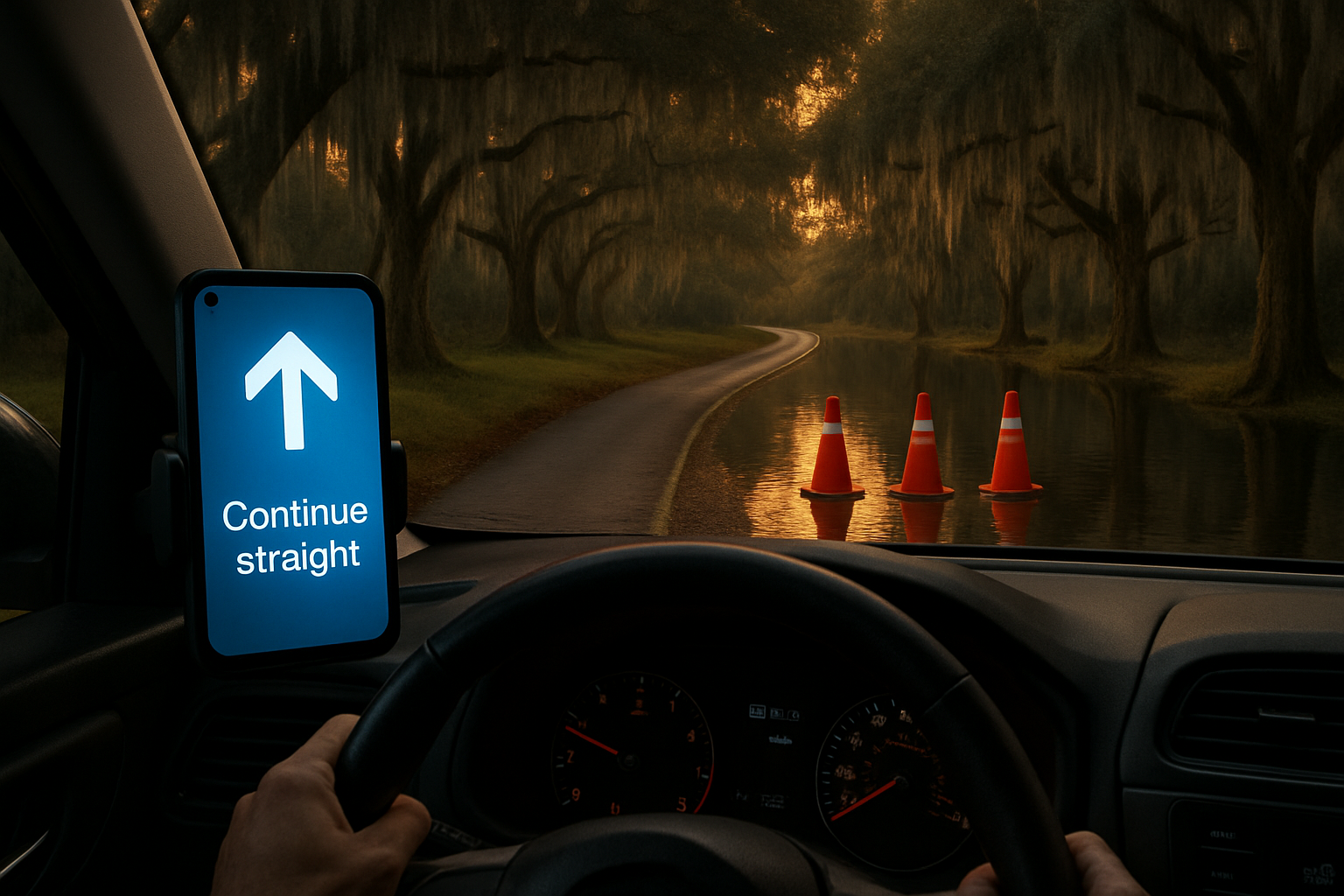
In November 2024, three young men in the Uttar Pradesh region of India followed their GPS navigation onto a bridge over the Ramganga River. The bridge had been partially destroyed by floods. The GPS did not know this. The three men trusted the route. They drove into the river and they died.
I am not telling you this to be dark. I am telling you this because it is the clearest possible illustration of a problem that shows up in far less dramatic ways every single day, and the problem is this: Google Maps is the most sophisticated navigation tool ever built, and it still cannot think like a local. Not because it lacks data. Because local knowledge is not data.
Here is the misconception people bring to navigation apps, and really to AI in general. We assume that if a system has access to enough information, it effectively knows everything worth knowing. Google Maps has access to an extraordinary amount of information. Satellite imagery. Real-time traffic. Speed limit data for virtually every road on earth. Historical travel time patterns calibrated by time of day, day of week, and season. Turn restrictions, elevation, road classifications. More data than any human navigator has ever held in their head, and updating constantly.
So we trust it completely. We type in a destination and we follow the voice without looking at the road. We have stopped questioning the route because the route has been right often enough that we have stopped checking. And most of the time that is fine.
But the bridge in the Ramganga was not in any database. The flood damage happened recently. The maps had not been updated. The optimization function returned the route it had always returned, because the function did not know the bridge was gone. And when the route you receive has been optimized against incomplete information, you are not getting the best route. You are getting the best route the algorithm could find given what it knew, which is a very different thing.
Local knowledge is not a single thing. It is at least four different kinds of knowing that live in a local’s mind, and none of them are the kind of information that ends up in a mapping database.
Local knowledge is not data. It is at least four different kinds of knowing that live in a local’s mind.
The first is social context. A local knows which shortcuts pass through neighborhoods that change character after dark, and which neighborhoods look rough but are completely safe, and which look fine but are not. A GPS has no way to encode this. It routes you by distance and time, not by the social geography that locals read without even thinking about it. In 2025, an Argentine tourist leaving the Cristo Redentor overlook in Rio de Janeiro was routed by his GPS into a favela. He was shot. He died. Rio’s crime-tracking institute reported that nineteen people were shot in 2024 after accidentally entering gang-controlled neighborhoods because their navigation app sent them there.
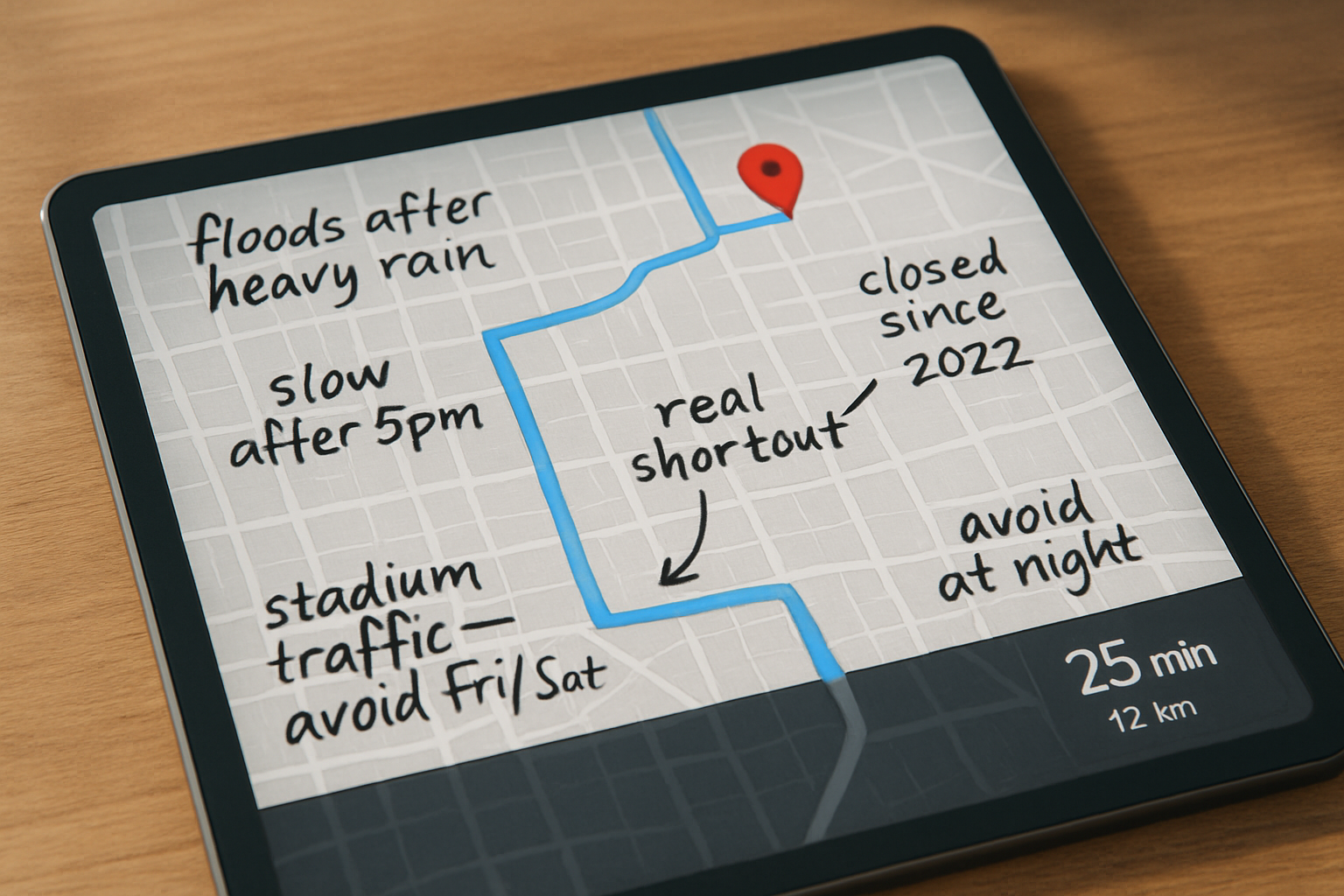
The second kind of local knowledge is physical reality that has not made it into any database. The bridge that washed out. The road that floods whenever it rains for more than an hour, which every local knows and routes around automatically. The shortcut that technically exists on the map but has a pothole so severe that nobody has used it since 2022. A system trained on historical data cannot know what happened last week.
The third kind is temporal and contextual. A local knows that the Lakeside bypass is faster than the highway on weekday afternoons, unless there is a home game at the stadium, in which case the bypass turns into a parking lot. A local builds this knowledge over years of driving the same routes in different conditions, and it becomes intuitive, and it is almost impossible to fully articulate. This is what the philosopher Michael Polanyi called tacit knowledge. You know more than you can tell. The GPS cannot access what cannot be told.
The fourth kind is something researchers call the cognitive map. When you drive a route using a navigation app, your brain does not build a spatial understanding of where you went. You follow the voice. You arrive. You know how to get there, but only if the app tells you. When you navigate without the app, you build a mental model of the landscape, you start to understand how the neighborhoods relate to each other, you develop a feel for the city that lets you improvise when something goes wrong. GPS navigation has been shown in research to suppress this process. Your hippocampus, which builds and maintains your sense of space, does not get the workout. The more you rely on turn-by-turn directions, the worse you get at navigating without them. The tool, used uncritically, makes you less capable.
The tool, used uncritically, makes you less capable.
Here is why this matters beyond driving directions.
The same limitation applies to AI in every other domain. A language model can tell you which teaching strategies the research supports, and it is often right. It cannot tell you that this particular student, in this particular classroom, on this particular afternoon, needs something that is not in any study. A medical AI can surface diagnostic probabilities based on symptoms and history. It cannot tell you what the doctor notices when the patient walks into the room, the way they hold themselves, the hesitation before they answer a question. Those observations live in the same category as the local’s feel for the neighborhood, a form of knowledge built from experience that has never been translated into data because it cannot be.
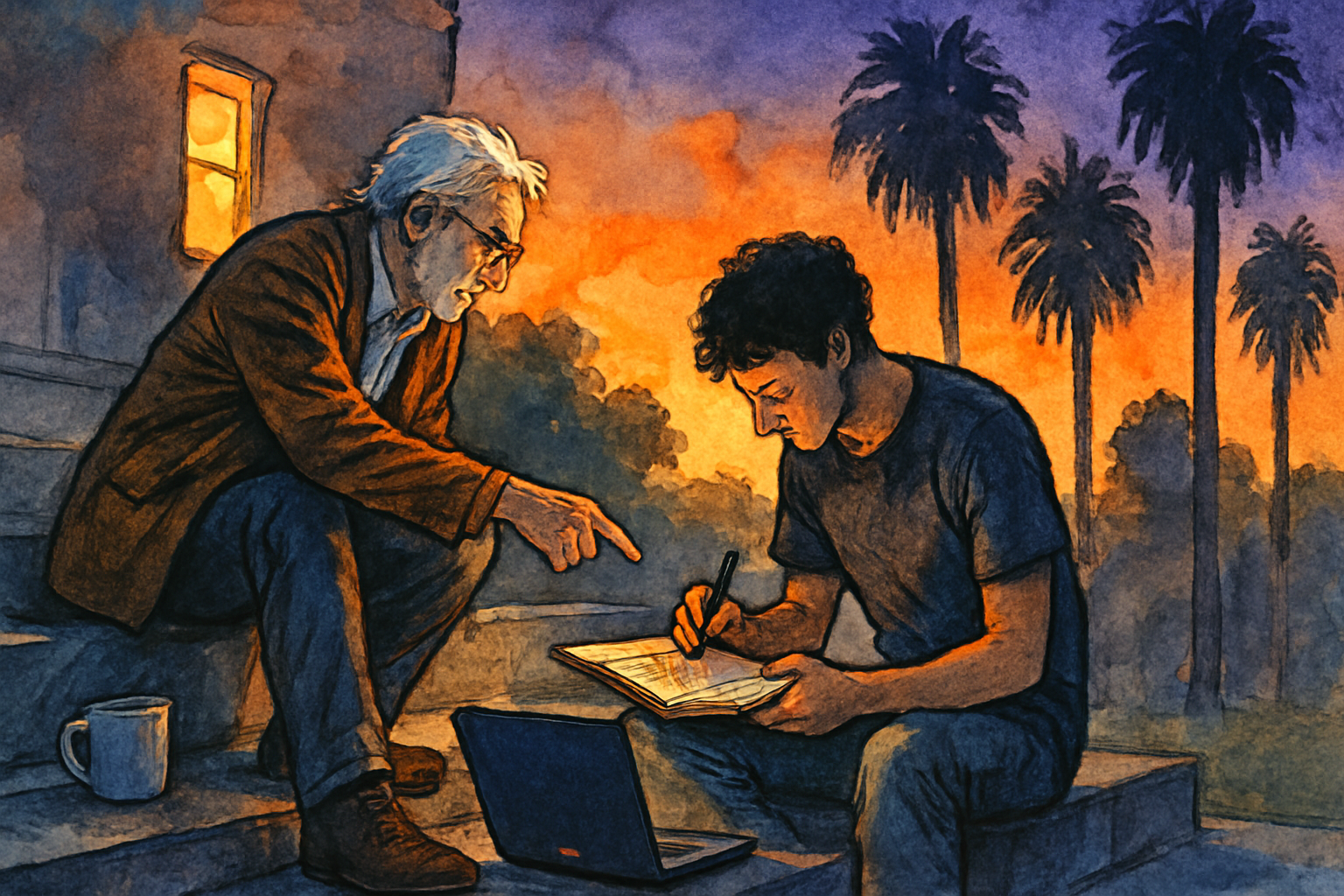
I teach design. My students sometimes treat the AI’s suggestions the way drivers treat GPS. They follow the output without questioning the route. And I keep telling them the same thing I would tell you about the navigation app: the tool has access to information you do not have, and you have access to information it cannot reach, and the only way to navigate well is to hold both of those things at the same time.
The GPS is optimizing what it can measure. You are working with information it does not have.
The next time Google Maps tries to route you somewhere that does not feel right, pay attention to that feeling. It is not ignorance. It is not technophobia. It is your accumulated experience of this particular road, this particular time of day, this particular condition, doing exactly what it was built to do.
“Listen to yourself. You know more than you think you do.”
— Benjamin Spock
The GPS is optimizing what it can measure. You are working with information it does not have. Sometimes the algorithm is right and your instinct is wrong. But sometimes the bridge is gone, and the algorithm does not know it yet, and you do.
Trust the information you have earned.
About This Post
I have been watching people follow navigation apps into situations that any local would have avoided, and I keep thinking about why. It is not stupidity. It is a reasonable trust placed in a tool that looks more complete than it is. Three men drove off a bridge in India because their GPS did not know the bridge was gone. That is an extreme case, but the underlying failure is not. AI tools, including the ones I use daily, are extraordinary at optimizing what they can measure. The problem is that so much of what actually matters lives outside what can be measured. Local knowledge, tacit knowledge, earned knowledge, the kind that builds up from years of moving through the same world. This post is about navigation. It is also about knowing the difference between data and wisdom, and why that difference matters more as AI gets more capable, not less.
— Greg Williams, design instructor