I showed up at Hargrave Military Academy in Virginia with a 1.2 GPA and something to prove, which is a dangerous combination in a seventeen-year-old, and the place was exactly what you’d expect from a school run by the Southern Baptist Association in the late seventies, discipline and structure and uniforms and a chain of command that started before breakfast and didn’t end until lights out. I was a junior, which meant most of the guys around me had been there since they were freshmen, some of them longer, and they knew the rhythms of the place in a way I was going to have to learn fast or drown.
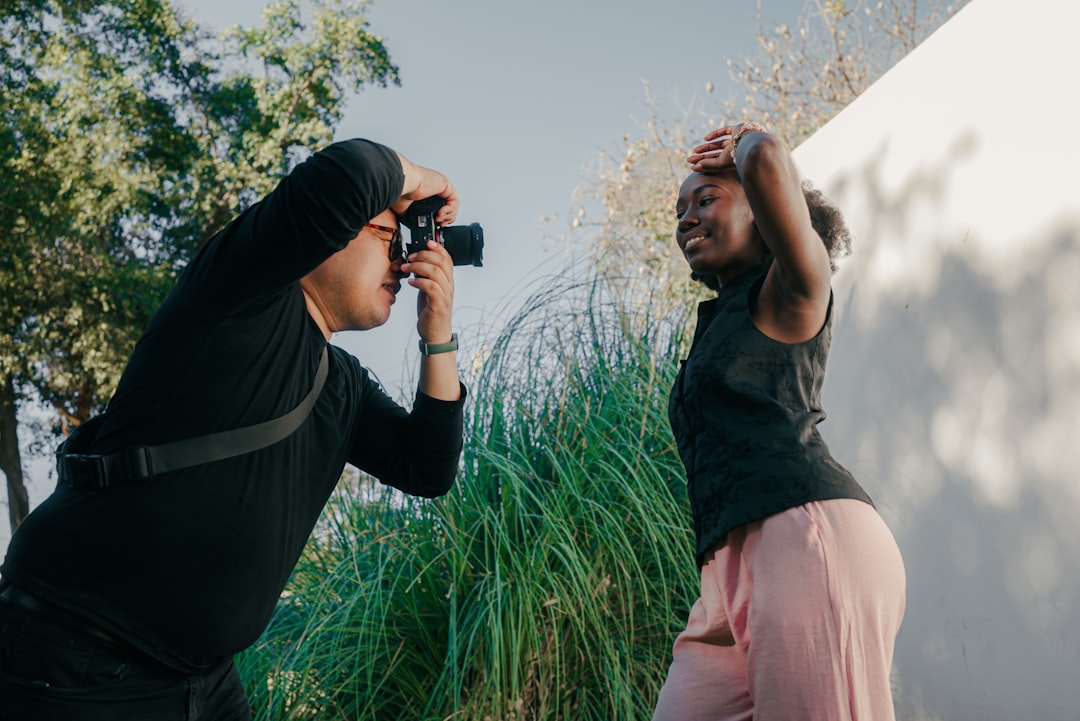
And I learned fast. I challenged an English teacher who’d never given a full-year A, and I got the A, and that felt like proof of something I’d been trying to prove since fifth grade. I joined Fellowship of Christian Athletes. I ran track. I played soccer. I lived in the darkroom working on photography and the yearbook and the school newsletter, and for the first time in my academic life I was in an environment where the classes were small enough that teachers couldn’t miss you even if they wanted to. Six in calculus. Twelve in physics. Mr. Burke taught chemistry and physics. Coach Klein ran FCA and the honor council. Mr. Ramsey was my math teacher, a photographer, and the yearbook sponsor. The chaplains, Mr. Cather and later Reverend Cohen, became major influences on how I thought about faith and purpose and what it means to show up for something larger than yourself.
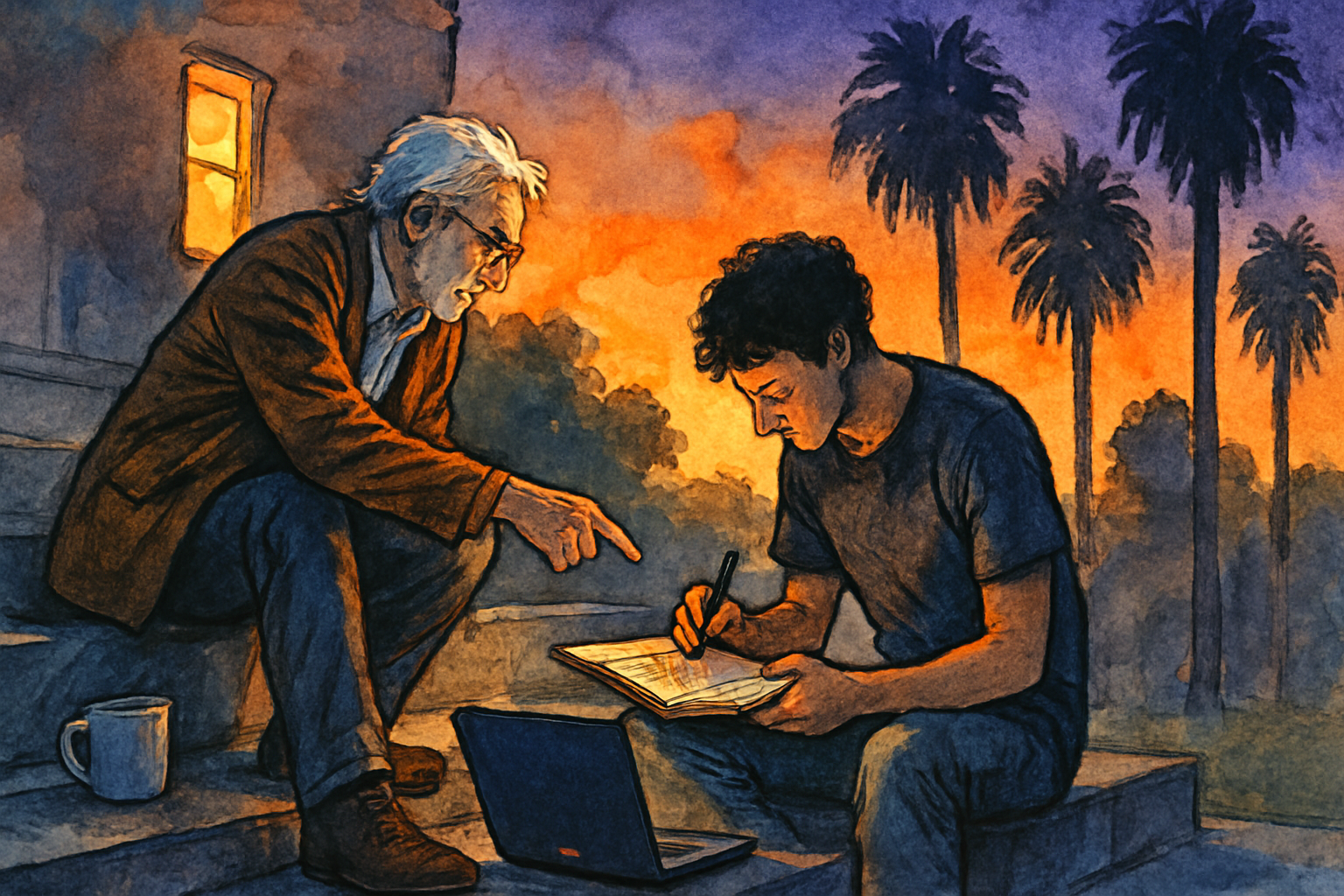
But here’s the part that changed everything, and I don’t think I understood it at the time. The teachers ate with students. They walked the dorms during study hall. They knew you as a person, not as a grade or a seat number, but as a whole human being with a life outside the classroom and problems that didn’t fit neatly into academic categories. That was the model I’d carry into my own teaching twenty years later, the idea that if you want someone to learn, you have to care about the whole person, and the grades will follow, but the caring has to come first.
The summer between junior and senior year, I got put in charge of helping run the junior school division, working with younger kids whose parents had sent them for the summer, and I discovered something that would define my entire career. Listening to kids worked. They responded to being heard more than being lectured. If you met them where they were instead of where you thought they should be, they’d follow you anywhere, and they’d work harder for you than they would for someone who just handed down instructions from a distance. I was maybe nineteen when I figured that out, and I’ve never found a reason to believe otherwise.
Senior year they made me Battalion Commander, which sounds impressive until you understand the politics. I’d been at the school two years. Some of these guys had been there four, five, six years, following every rule, earning every promotion, waiting for that title. And then it went to the new kid. The backlash was immediate and it was sustained. Jealousy, testing, pushback from guys who felt robbed, and honestly, I understood why they felt that way. On top of that, there was a power struggle between the senior military instructor and the commandant, both of whom had children at the school, and I got caught in the middle of a political mess that no eighteen-year-old is equipped to navigate. The commandant was hell-bent on finding a reason to take away my rank. Teachers rallied behind me. Staff covered for me. One teacher would warn me before room inspections so I could make sure everything was squared away.
I graduated. I earned it. But the cost was real, and it left marks that are still there. I still have nightmares about that place, more than forty years later, and I don’t mean vague unease, I mean actual dreams where I’m back in those hallways dealing with the same politics and the same sense that the ground is shifting under my feet and nobody is going to tell me which way to step. Military school gave me my teaching model, my honor code, my leadership instincts, and my understanding that caring about the whole person matters more than measuring their output. It also broke something in me that I’ve spent decades learning to carry.
And both of those things are true at the same time. That’s the part most people leave out of stories like this, that the place that shaped you and the place that wounded you can be the same place, and you don’t have to choose which version of the story to tell. You just tell both.