About this post: Waiting to feel courageous before acting is exactly backward. This is about what courage actually is, and the moment I put a note in a church offering tray. — Greg Williams, design instructor
Courage Isn’t a Feeling. It’s a Sequence Break.
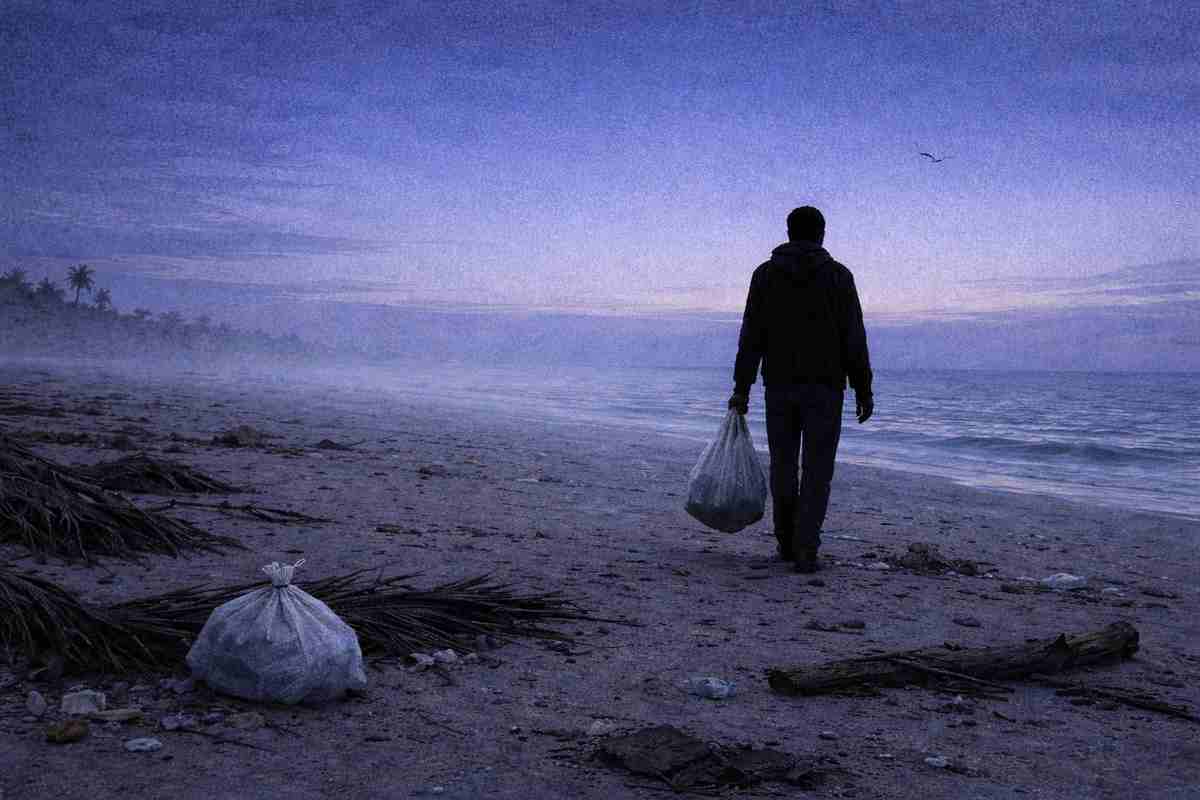
I want to tell you about the moment on the beach when everything I’d built had collapsed and I had nothing left, and I sat in the sand and looked at the water and I didn’t know what to do or who I was anymore or what was going to happen next, and I put my head down and something shifted inside that space, and I understood something about the relationship between falling apart and putting yourself back together. That moment wasn’t courageous; it was humbled. But what happened after, when I walked back up from that beach and started rebuilding from what was actually true instead of what I’d been protecting, that required something else, and I want to get clear about what it actually was because we call it courage but that misses what’s mechanically happening.
The relationship between identity and action is the real question here, you know, and it’s more specific than we usually talk about it.
It’s not the load that breaks you down, it’s the way you carry it.
— Lou Holtz
Greg Williams
The relationship between identity and action is the real question here, you know, and it’s more specific than we usually talk about it. You don’t change your identity by thinking differently; you change it by breaking the sequence that’s been reinforcing the old identity, and you can’t break the sequence from inside it. The sequence feels inevitable because you’ve run it a thousand times and it always produces the same thing, so you assume that’s how things have to go. The identity feels true because it’s survived this long and because it explains what you do. The only way to interrupt it is to do something that the sequence doesn’t predict, and the thing that’s stopping you from doing that is not a lack of courage; it’s the evaluator saying “this is not who we are.”
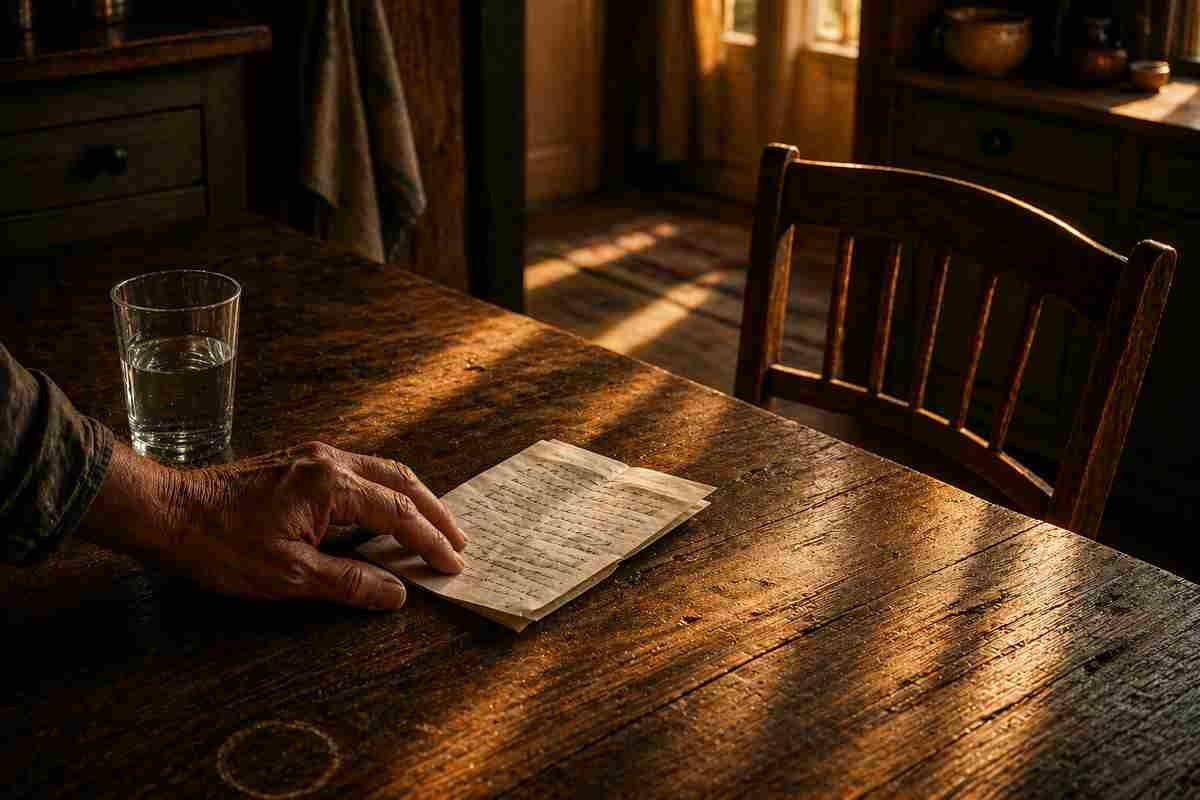
After the collapse, I walked into a church one Sunday and I put a piece of paper in the offering tray and it said “Please help me,” and that action was not courageous because I didn’t feel brave; I felt humiliated, actually, deeply humiliated, asking for help in such a public way, even though the public was just God and the people who were going to empty the tray eventually. What was happening mechanically was that I was breaking the sequence where I was the person who had to solve everything alone, and that sequence had been reinforced by 25 years of proving I could handle it, which meant I had to keep handling it alone even when I was drowning, which meant I had to keep drowning to maintain the identity. The piece of paper broke that sequence, not because it was brave but because it was something my old identity would never do, and doing something your old identity wouldn’t do is how you give the new identity permission to exist.
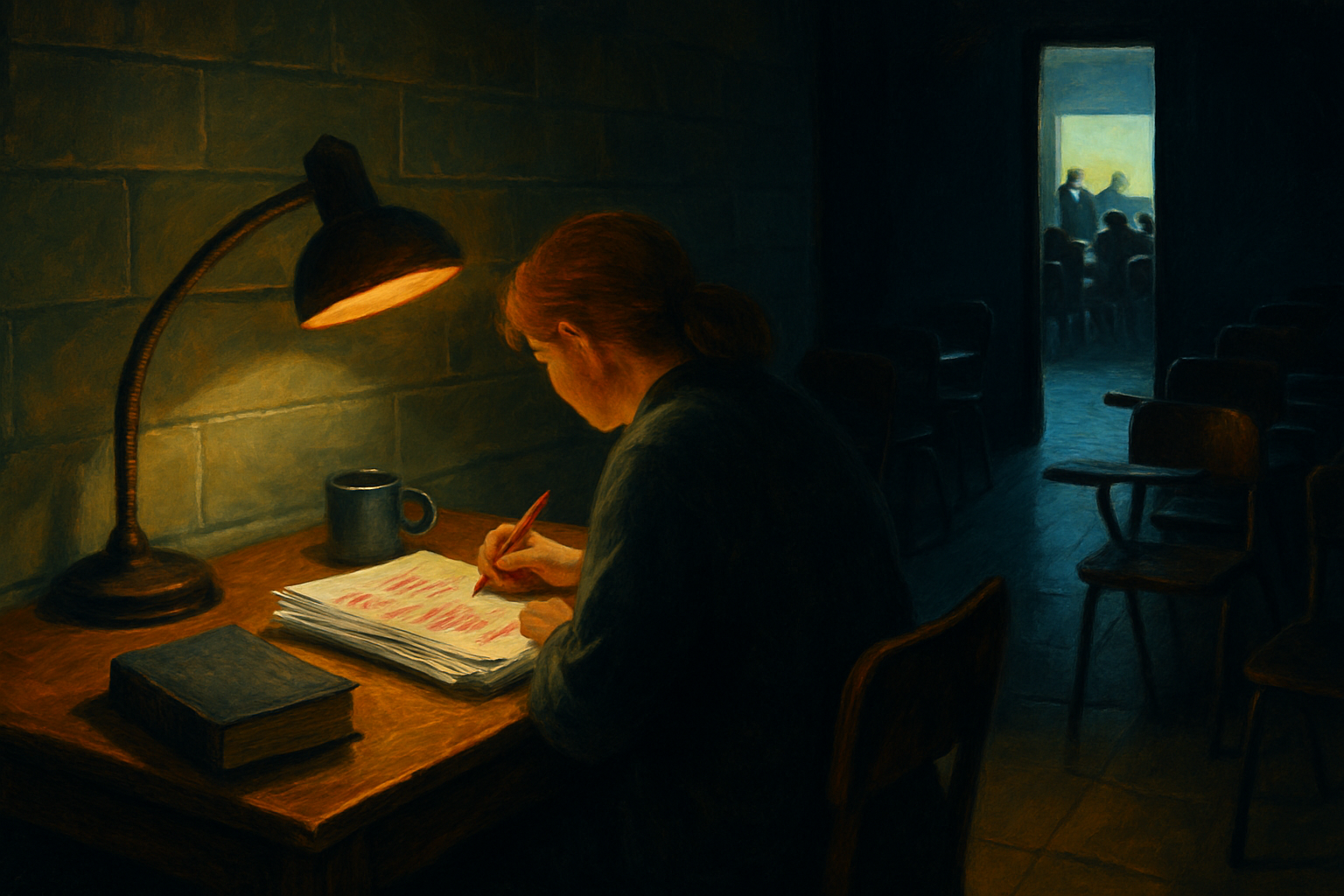
Twenty-five years of teaching, and I still feel the hesitation before every class, still feel the moment where something in me says “you’re not ready” or “they’re going to realize you don’t know what you’re doing” or “something’s going to go wrong,” and that feeling doesn’t go away even now even knowing that it’s going to go away once I get five minutes into the actual teaching. The feeling is not an indicator of whether you’re ready; it’s just part of the sequence, and the sequence is: feel the hesitation, acknowledge it, walk into the room anyway, and somewhere in the first five minutes when you’re actually engaging with real students and real work, the feeling changes because the frame of reference changes. You’re no longer in the anticipation; you’re in the actual moment.
What I’m saying is that courage isn’t about not being afraid; it’s about knowing the sequence well enough to know that the fear doesn’t mean you’re not ready, and the hesitation doesn’t mean you should stop.
Greg Williams
You’re no longer in the anticipation; you’re in the actual moment.
Greg Williams
What I’m saying is that courage isn’t about not being afraid; it’s about knowing the sequence well enough to know that the fear doesn’t mean you’re not ready, and the hesitation doesn’t mean you should stop. The sequence is so strong that most people never break it because they’re waiting for a feeling that’s never going to come; they’re waiting for the fear to go away before they act, and the fear goes away when you act, not before. So there’s a causation that goes the opposite direction from how we usually think about it. We think: feel brave, then act. The actual sequence is: act, then the feeling changes.
Before critique, I tell students: “You will want to explain your work before I see it, and that feeling is real, and it’s not about me, it’s about the brain trying to manage the moment before the vulnerability, and I’m going to ask you not to do it, I’m going to ask you to let the work speak first.” Most students understand this intellectually but they can’t do it emotionally because the sequence is so strong, the protective instinct is so powerful, and the only way to break it is to let the work be seen without explanation and let it land however it lands and discover that nothing terrible happens. Nothing terrible happens, which is the thing nobody tells you about sequence breaks. The terrible thing you were protecting against isn’t actually what happens; what happens is that you discover you’re stronger than you thought and the world is less fragile than you assumed.
After 38 years of being told I was going to be a teacher or a photographer or a preacher, after the collapse and the rebuilding and the 25 years of teaching, I’m 64 and building something new and it’s terrifying and it’s stupid and it’s the best thing I could possibly be doing. The courage isn’t that I’m not afraid of failing; it’s that I’ve already failed in a way that cost me everything, and I discovered I could survive that, and that survival has given me permission to try something this ambitious because the worst thing that could happen has already happened and I came out the other side. That’s the sequence break: do the thing that the old identity can’t do, survive the moment where the old identity falls away, discover that the new identity was waiting underneath the whole time, and you’ve changed.
So when people ask me how I had the courage to build something this late and this risky, I want to tell them that courage isn’t a feeling, it’s a sequence break, and the sequence break isn’t available until you do the thing that breaks it. You don’t get to know in advance whether you’re strong enough or whether it’s going to work; you just have to do it anyway and find out.