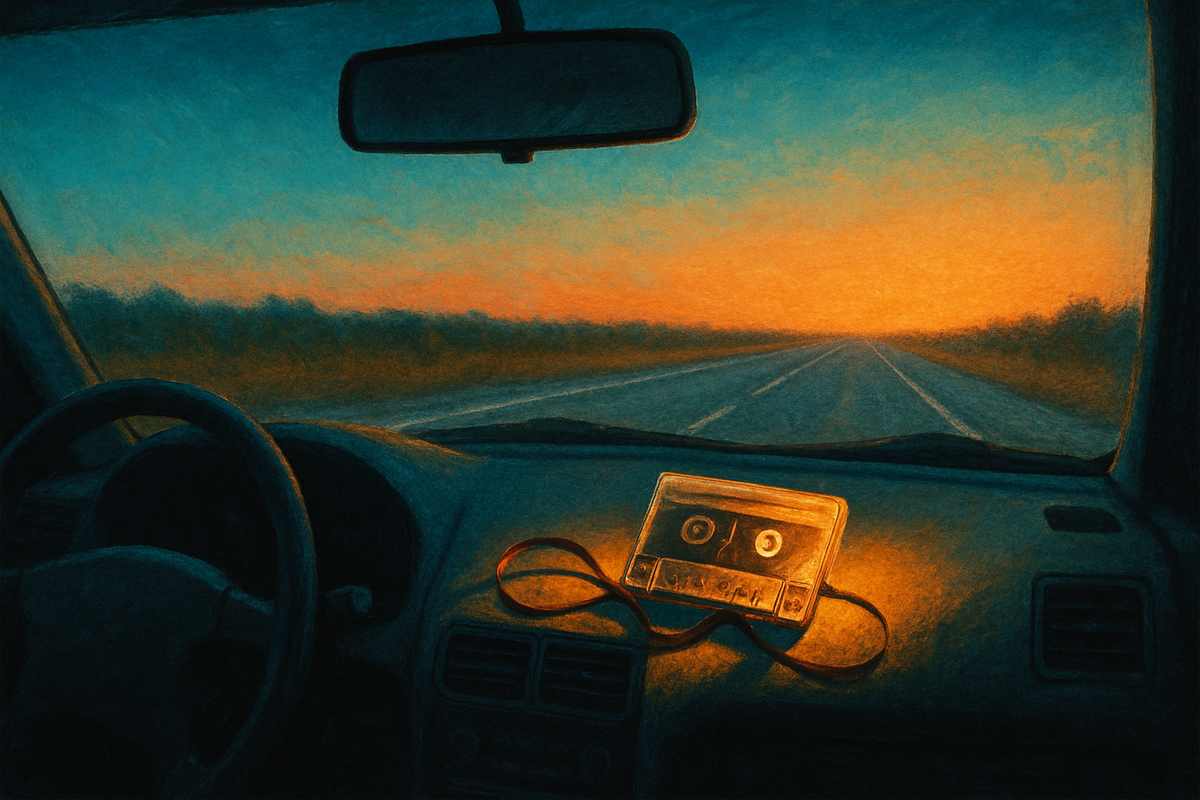
I was somewhere on the highway between my house and my mother’s, probably an hour in, radio off, just driving the way you drive when your brain has nothing to do and decides to start rummaging around in old boxes. And for whatever reason I started thinking about music, specifically the music that felt like it actually got inside me when I was a kid, the songs that I didn’t just hear but somehow absorbed, and I started mapping them out in my head like I was pinning notes to a corkboard.
You know what came up. “I’d Like to Teach the World to Sing.” “Jeremiah Was a Bullfrog.” “Everybody Get Together.” And I’m sitting there in the car thinking, okay, that’s interesting, because every song surfacing in this little mental archaeology project was clustering around the same window: fourth grade, fifth grade, sixth grade, and every single one of them had this particular texture, this hopeful, slightly urgent, we-are-all-in-this-together quality that now I can identify as protest-era folk and pop, even if at ten years old I just thought it sounded like something worth singing. And then, right around seventh grade, the whole thing shifted hard. Black Sabbath. Jethro Tull. The energy went somewhere darker and more complicated, and looking back that makes complete sense because that’s exactly where the culture was going too.
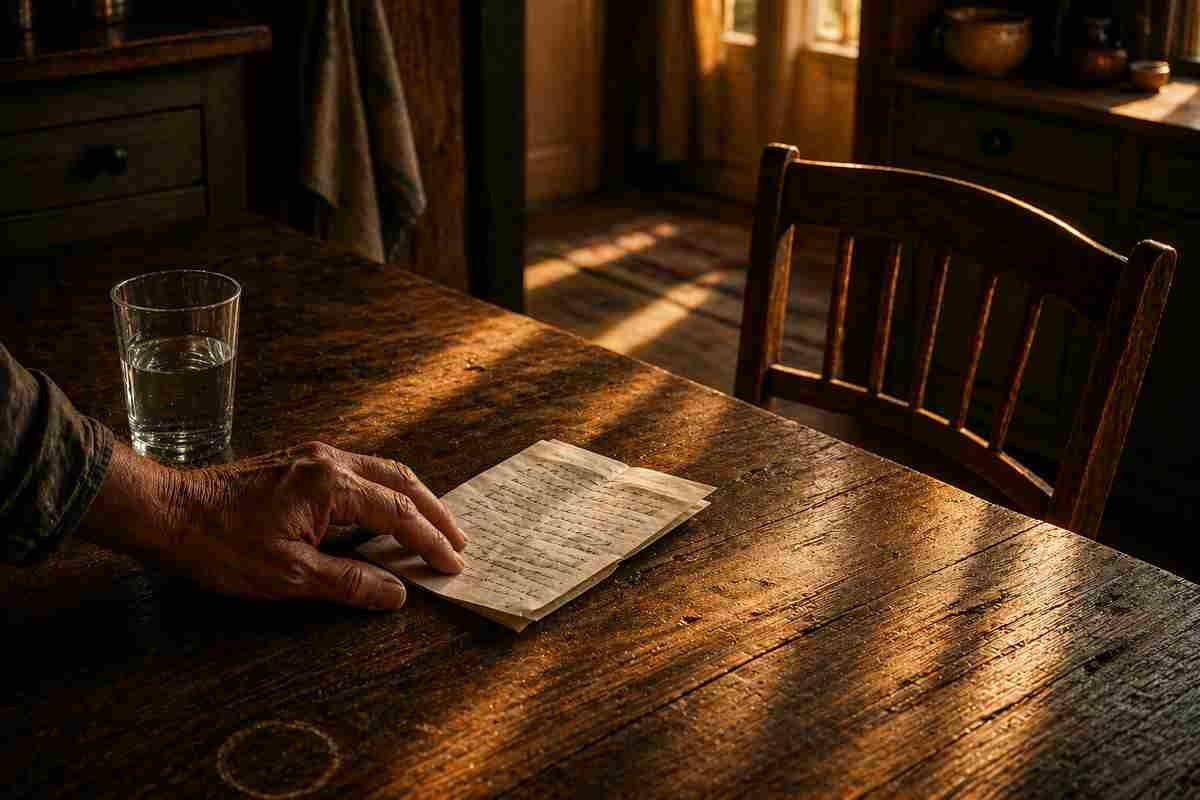
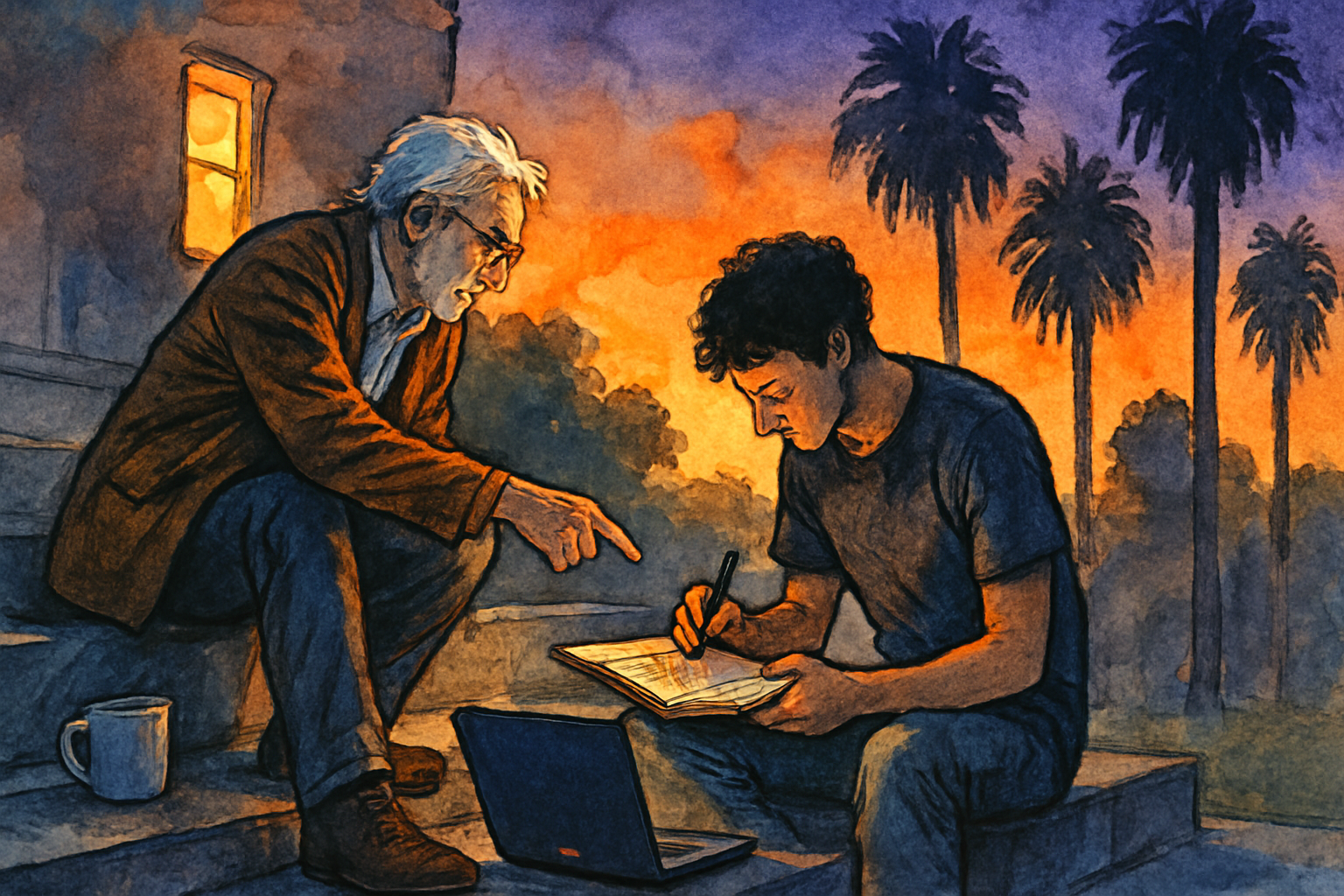
When I got to my mother’s and we were sitting in her kitchen and I laid out what I’d been thinking in the car, she didn’t miss a beat. She said, “You know, that’s when things really changed in this country. We were in a transitional period, and what you’re describing was a real shift in society and culture.” And that was it. My mother just confirmed what I’d half-assembled on the highway: I wasn’t remembering random songs. I was remembering a country changing, and the songs were the recording device my ten-year-old brain happened to be running at the time.
I told Terri about all this when I got home, and she looked at me the way she does when she’s about to say something completely accurate that I’m not going to love, and she said my musical taste hasn’t really evolved since the 1980s. Which, look, I have a counterargument ready, which is that nothing worth remembering has been written since then, but I also know, I genuinely know, that’s just an old man being an old man and probably shouldn’t be stated in polite company. So I’ll say it here instead.
Here’s the thing though, and this is where the drive to my mother’s turned into something I didn’t expect: I am not a musician. I want to be clear about that. I have tried. In fifth grade, my brother Gary played French horn, and for reasons that made sense at the time I decided I should try it too, joined the band, and it was, without exaggeration, horrendous. I remember a teacher asking me whether a second note was higher or lower than the first one, and nobody had thought to explain to me what “higher” and “lower” even meant in musical terms, that these were physical properties of sound and not just opinions, and so I guessed. I got half of them wrong. The teacher told me I was tone deaf. And that was that. Music, out. Thankyouverymuch.
Then eighth grade arrived and I saw the poster on Gary’s wall, Ian Anderson, one foot up on the monitor, flute raised overhead, this complete and total rock god, and something in my brain just shorted out in the best possible way. If that guy could be that cool playing a flute, a flute, then maybe I had miscalculated. I played for two years. I was not great. I was not Ian Anderson. But I was in the vicinity of music again, and that mattered, and even when I stopped playing I never stopped feeling what music did. The emotional impact of it never left. And so maybe what I had wasn’t tone deafness. Maybe I just didn’t have the language yet for what I was already experiencing.
All of this, the drive, my mother’s kitchen, Terri’s accurate and slightly painful observation, Gary’s Ian Anderson poster, is what eventually led me toward a research question that I’ve been working on for a while now, which is how music connects to visual design and emotional processing. Not as separate systems that occasionally overlap, but as genuinely linked cognitive experiences that the brain may be routing through some of the same channels. And I want to be honest about how that question arrived, because I think people assume research starts with a hypothesis, starts with some rigorous intellectual problem you’ve identified through careful literature review, and sometimes it does. But the research I’m most serious about almost never started that way. It started with something personal that I couldn’t explain and couldn’t let go of. The question came from the drive. The question came from my mother saying “that’s when things really changed.” The question came from the gap between knowing that music was doing something important inside me and not having the framework to say what.
The best research I’ve done, and I’d argue the best research most people do if they’re being honest, is autobiography you didn’t know you were writing. You think you’re just remembering songs from fourth grade. You think you’re just having a conversation in your mother’s kitchen. But you’re actually circling something real, something with edges and structure that you’ll spend the next several years trying to name, and when you finally do name it, when the framework arrives, you’ll look back at the drive and realize you already had it. You just didn’t know yet.
I’ve been thinking about cross-modal experience a lot lately, which I’ll get into properly in posts coming up soon, the way sound and color and emotional memory seem to operate through overlapping architecture, the way certain tones carry weight that feels almost visual. But I wanted to start here, with the actual starting point, which wasn’t a research question at all. It was just me on a highway, radio off, wondering why “Jeremiah Was a Bullfrog” still sounds exactly like being ten years old in a country that was trying to figure out what it was becoming.
If you’ve got songs from a specific window of your childhood that feel different from everything else, more embedded, more loaded, I’d think carefully about what else was happening in those years. You might be surprised what’s actually stored there.
—
This post is part of the “How Creativity Actually Works” series. Posts #86, #87, and #88 dig into the cross-modal research this drive eventually led to.
Keep Reading
- The First Answer Is Always Slop
- Your Brain Made That Up
- You Don’t Have a Creativity Problem. You Have a Sequence Problem.
- Creative Freedom Isn’t the Absence of Structure
Go deeper: The Neuroscience of Creativity · The Case for Creativity Training · All Primers