I’ve been saying this in faculty meetings for years, and it gets polite nods and concerned expressions and absolutely zero structural change, but I’m going to say it here anyway because it matters more now than it did when I started saying it. We are training students for jobs that are disappearing. Actively. Deliberately. We are spending tuition dollars and classroom hours and years of young people’s lives preparing them for a professional landscape that is shifting under their feet faster than any curriculum committee can keep up with, and most of the time we’re not even acknowledging it.
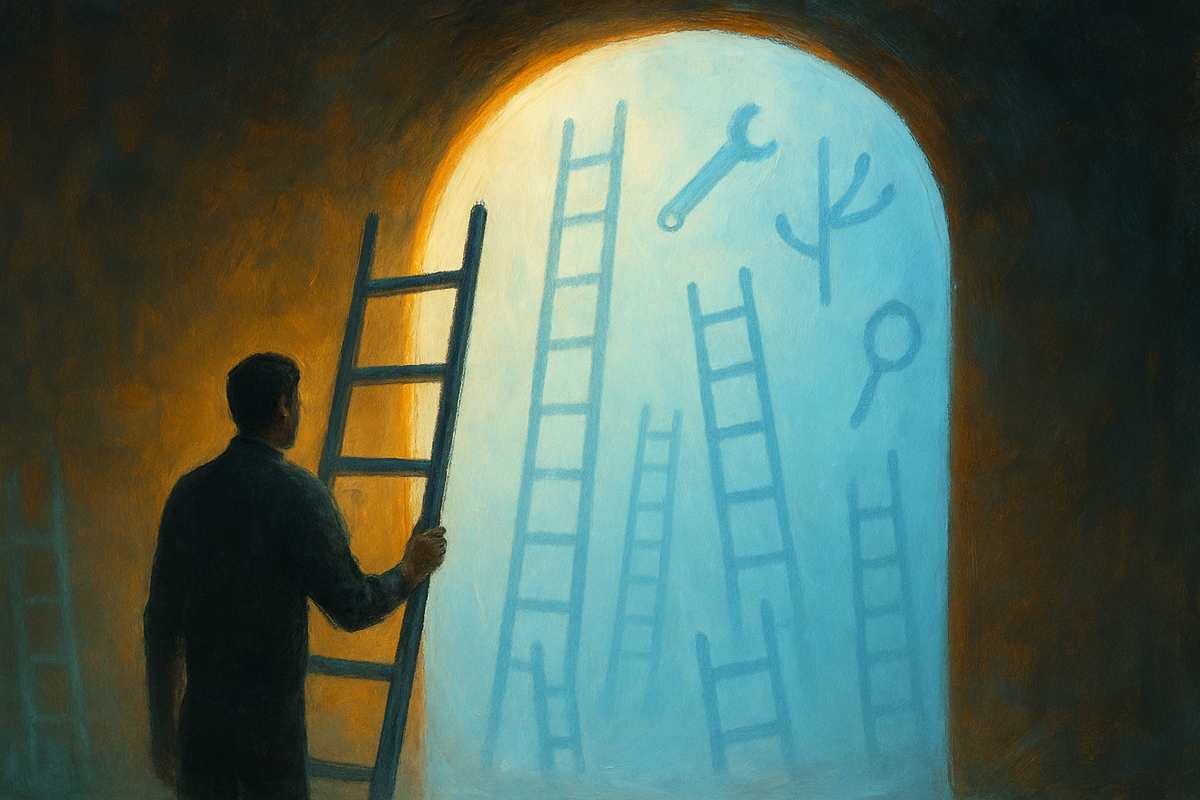
Here’s the number that keeps me up at night, and it’s not exact because nobody can be exact about the future, but every serious analysis I’ve read lands in roughly the same place: within ten years, approximately half the jobs that will exist haven’t been invented yet. Half. Think about that. We’re training people for a world where half the opportunities haven’t even taken shape, and we’re doing it by teaching them skills that are anchored to the world as it exists right now, or worse, as it existed five years ago when the textbook was written.
I’m a design instructor. I teach typography, layout, color theory, visual communication. And all of those things matter, they’ll continue to matter, because the principles of how humans process visual information aren’t going away. But the tools change. The applications change. The industries change. The entire concept of what a designer does is evolving so fast that what I taught five years ago is already partially obsolete, and if I were still teaching the same way I taught ten years ago, I’d be actively harming my students by making them feel prepared for a world that no longer exists.
What students actually need, and this is the part that nobody wants to build a curriculum around because it’s hard to test and harder to accredit, is the ability to think. Not recite. Not replicate. Think. They need to know how to approach a problem they’ve never seen before. They need to know how to teach themselves a tool that didn’t exist when they were in school. They need creativity, adaptability, critical thinking, and the confidence to walk into a situation where nobody knows the answer and start figuring it out. Those are the skills that will translate across whatever jobs emerge in the next decade, and those are the skills that traditional education is worst at developing, because they can’t be reduced to learning objectives and exam questions.
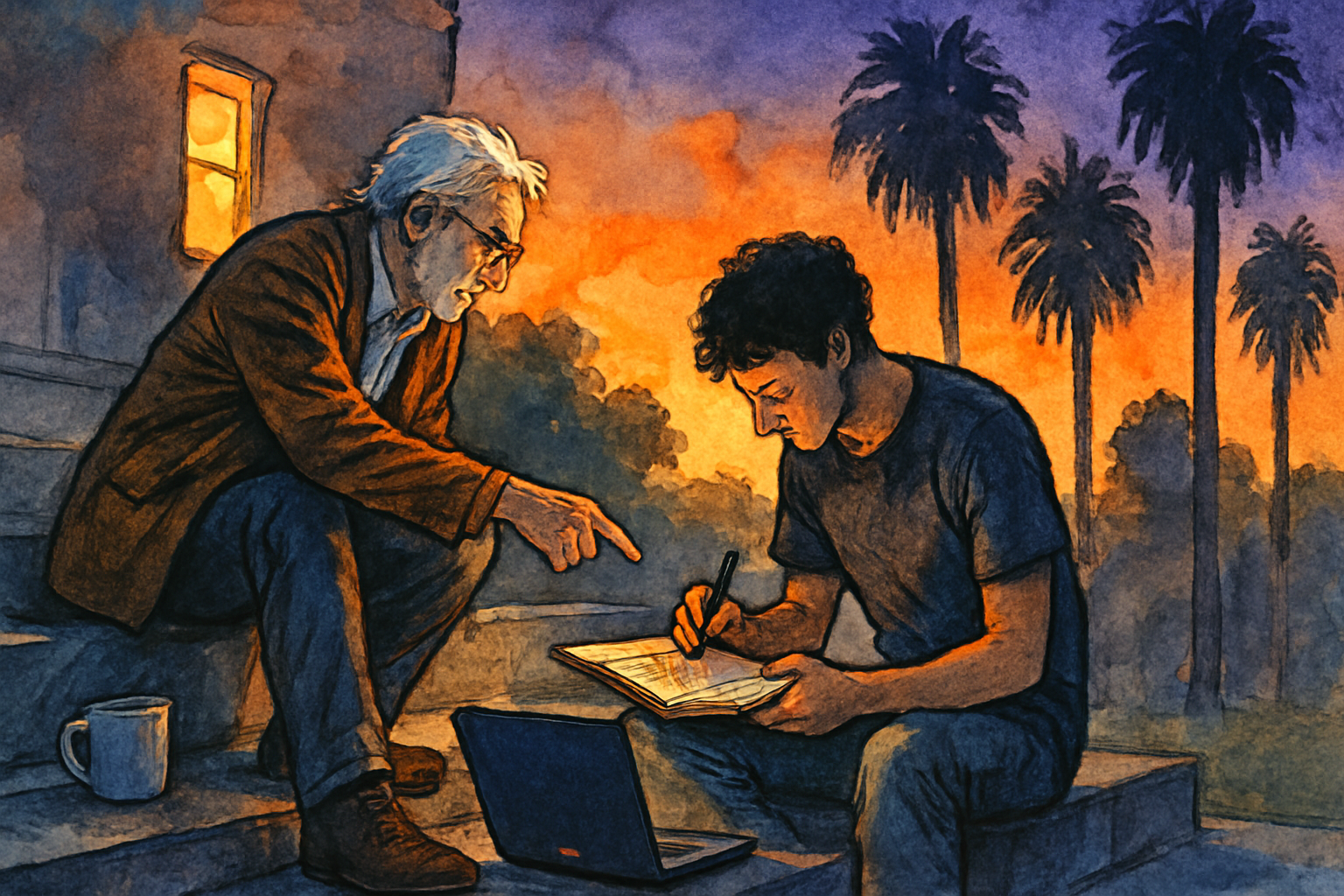
You know, I watch students graduate and walk into a job market that’s already different from the one they prepared for, and some of them adapt beautifully, because somewhere along the way they learned how to learn, and some of them struggle, because they were trained to follow instructions and now nobody’s giving instructions anymore. And the difference between those two groups isn’t intelligence or talent or work ethic. It’s whether their education taught them to think or taught them to comply.
So if you’re a student reading this, here’s what I’d tell you. Stay current. Anticipate where the technology is heading, not just where it is. Learn how to learn quickly, because the tools you master this year might be replaced next year. And stop asking what job you should prepare for, because the honest answer is that nobody knows, and anyone who tells you they do is selling something. Instead, prepare to be the kind of person who can figure things out, who can adapt, who can create value in a context that doesn’t exist yet. That’s the job description for the future, and it’s the one thing no curriculum committee is writing a syllabus for.